Celebrity stalking stories usually read like cheap Hollywood thrillers. But the reality is far more mundane and much more terrifying. When a stranger manages to cross physical boundaries repeatedly, sleep on private property, and leave bizarre biological testing kits, it isn't just an annoyance. It exposes how vulnerable high-profile figures actually are in their own sanctuaries.
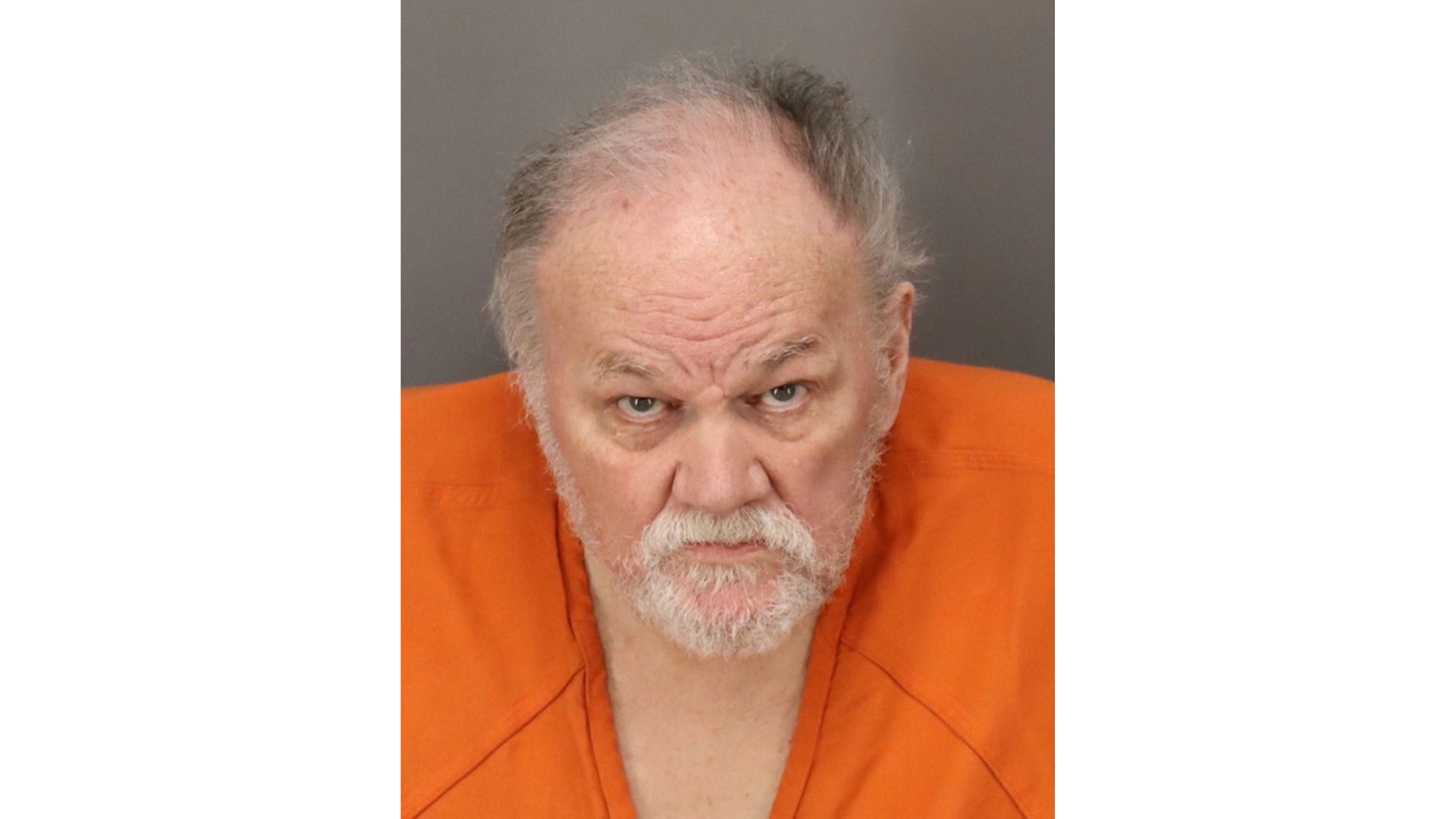
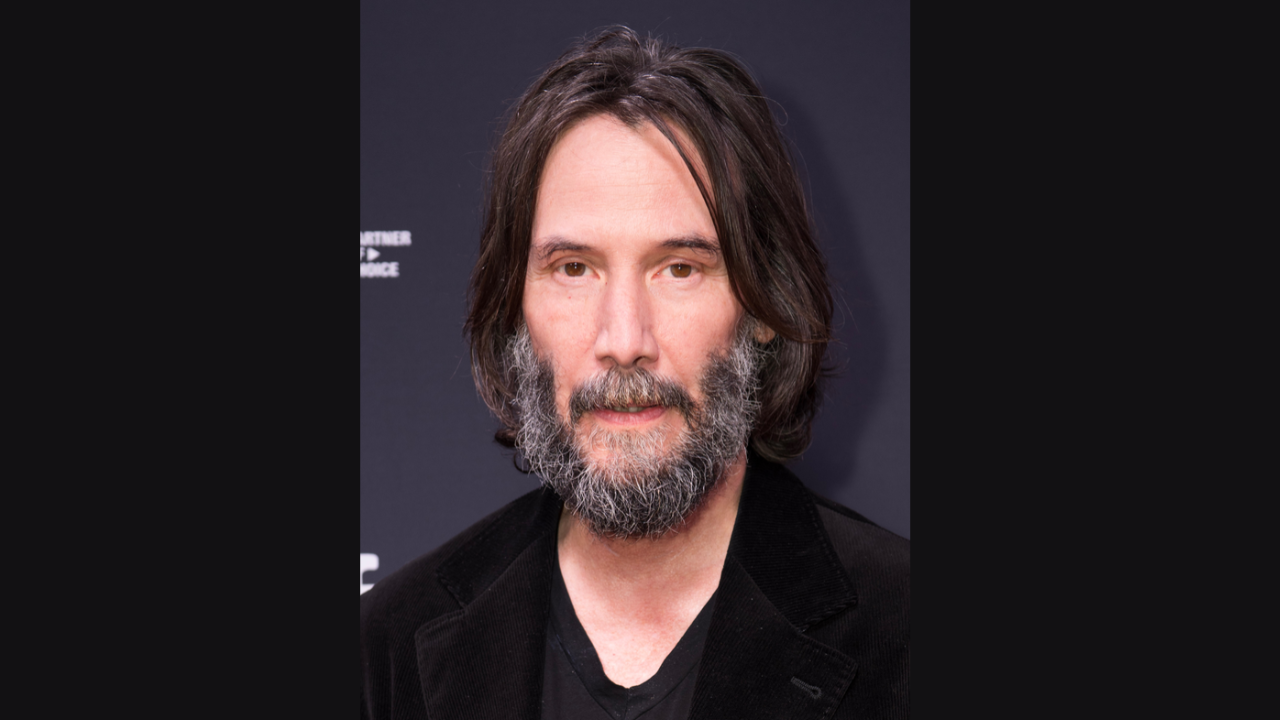
Look at what happened with Keanu Reeves. A man named Brian Keith Dixon managed to trespass at the actor's Los Angeles home six separate times over a span of three months. He even fell asleep in the back garden. Security systems didn't stop him immediately. High walls didn't keep him out. He returned day after day, attempting break-ins and leaving behind backpacks filled with genetic testing kits and disturbing notes because he believed they were related. For another look, read: this related article.
If this can happen to someone as universally respected and low-profile as Reeves, nobody is truly safe.
The Reality of Celebrity Stalking and Broken Boundaries
Most fans assume that fame comes with a security cocoon. They picture gated communities, 24-hour private guards, and state-of-the-art surveillance that acts as an impenetrable shield. That is a myth. Private homes are residential spaces, not maximum-security prisons. Trespassers who suffer from severe delusions or fixations often exhibit an alarming level of persistence. They don't view gates or cameras as deterrents. They view them as temporary obstacles. Related coverage on this matter has been published by BBC.
In the Reeves case, court documents filed by attorney Mathew Rosengart detailed a systematic invasion of privacy. Dixon allegedly posted bizarre messages online, calling himself Jasper Keith Reeves and claiming he wanted to sign over his rights. This kind of fixation goes far beyond typical fan mail. It points to a mental health crisis intersecting with the hyper-visibility of modern celebrity culture.
When someone leaves a DNA kit on your doorstep to prove a biological connection, you are dealing with a severe psychological detachment from reality. Law enforcement eventually stepped in with an open criminal investigation and recommended a temporary restraining order, but getting a piece of paper from a judge doesn't magically stop someone who is deeply unwell.
Why Traditional Home Security Fails High-Profile Targets
Standard security measures are built for casual burglars, not obsessed individuals. If a trespasser is willing to sleep in a garden, crawl over walls, and return repeatedly after being caught on camera, conventional alarms lose their psychological power.
- Cameras record crimes instead of stopping them. Surveillance footage gives you evidence for court, but it doesn't prevent a trespasser from stepping onto your lawn at three in the morning.
- Physical barriers have limits. Gates require maintenance, and no residential wall can completely prevent a determined individual from scaling it if local zoning laws and aesthetic choices restrict height.
- The psychological toll is invisible. The hardest part isn't repairing a broken door latch. It is living with the constant, nagging anxiety of wondering who is waiting outside your window.
Reeves noted that the episodes left him substantially alarmed, annoyed, and distressed. That phrasing sounds formal in legal paperwork, but the lived experience is exhausting. Your home is supposed to be the one place where you can drop your guard. When that space gets violated multiple times by the same person, your home turns into a workplace you can't escape.
What Public Figures Can Do Right Now
If you are dealing with persistent boundary violations or want to understand how high-profile security actually operates, you have to move past basic gadgets. Real protection requires a layered, proactive strategy.
First, invest in active monitoring rather than passive recording. Static cameras that send a push notification to your phone while you are asleep are useless. You need live monitoring services that can dispatch private response teams instantly.
Second, utilize legal channels aggressively at the first sign of escalation. Don't wait for six incidents. The moment someone crosses a clear property line or leaves disturbing items behind, involve specialized legal counsel to secure emergency restraining orders immediately.
Third, audit your digital footprint. Many stalkers gather target schedules, property layouts, and neighborhood details from public records and social media slip-ups. Scrubbing property ownership data and limiting public exposure can dramatically reduce the chances of attracting unwanted attention.
Celebrity privacy is a shrinking commodity, and the legal system often reacts only after lines have already been crossed. Protecting personal space requires vigilance, fast legal action, and an acceptance that fame comes with risks most people never see. Take your security seriously before someone else forces the issue.