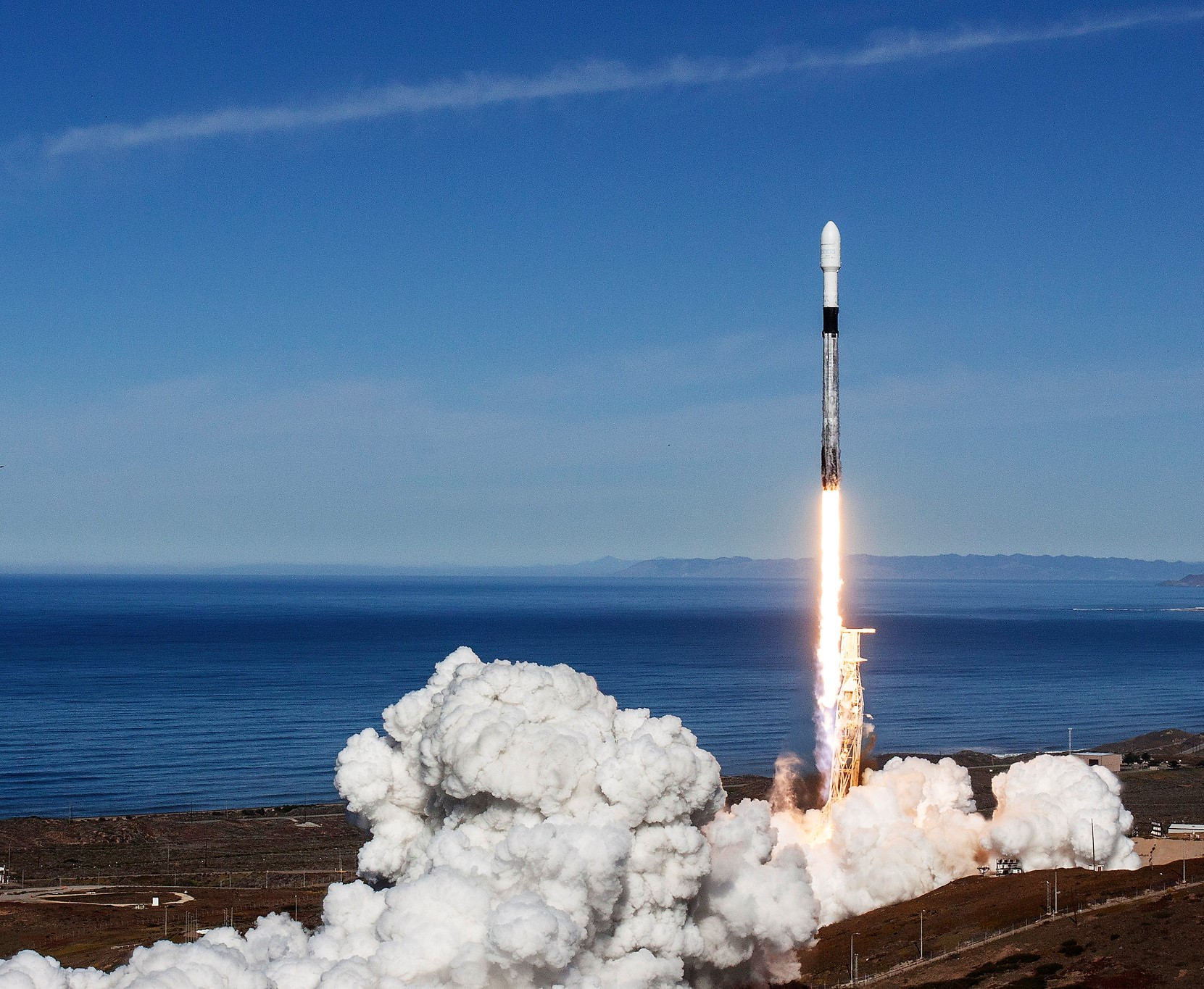
For decades, humanity treated orbital rockets like expensive paper plates. You build them, you fly them once, and you throw them away in the ocean. SpaceX is breaking that cycle completely. When engineers at Starbase in Texas attempt to snatch a returning orbital spacecraft straight out of the air using giant launch-tower arms, they aren't just performing a stunt. They are rewriting the economic and logistical rules of interplanetary travel.
Landing a heavy booster back on its launch mount with mechanical "chopsticks"—famously first done with the Super Heavy booster during Flight 5—proved the hardware could guide itself home with pinpoint accuracy. But catching the upper-stage Starship after it has orbited the planet, deployed payloads like Starlink satellites, and survived the brutal heat of atmospheric reentry is an entirely different beast. You might also find this similar story interesting: When Ai Police Reports Collide With The Constitution.
The Brutal Physics of Orbital Recovery
Why is catching the upper stage so much harder than catching the booster? Speed and altitude dictate everything in aerospace engineering.
The Super Heavy booster separates early and turns back relatively close to home. The Starship upper stage, however, goes all the way to orbit. It plunges back into Earth's atmosphere at extreme hypersonic velocities, shedding massive amounts of kinetic energy through heat shields and controlled aerodynamic maneuvers. As reported in recent coverage by MIT Technology Review, the implications are worth noting.
By the time it approaches the launch site at Starbase, it's descending much faster and from a much greater height. The structural loads on the stainless steel hull are immense. If the guidance software or hot-gas thrusters miscalculate by even a fraction of a second, the vehicle misses the tower entirely or suffers catastrophic failure.
To mitigate this, SpaceX relies on rigorous contingency checkpoints throughout long-duration missions. If weather conditions turn foul, high-altitude winds refuse to cooperate, or telemetry data looks shaky, the vehicle aborts the tower catch and guides itself down toward a controlled ocean splashdown instead. Elon Musk's iterative development philosophy relies on gathering data from every anomaly, meaning the team learns just as much from a waved-off attempt as they do from a victory.
Why Full Reusability Breaks the Cost Barrier
If you want to understand why catching rockets out of the sky matters, look at airline economics. Commercial airliners don't get junked after a single flight from New York to London. They land, get refueled, undergo quick safety checks, and take off again hours later.
Rockets have always suffered from astronomical manufacturing costs because building a new vehicle for every single launch prices most of humanity out of space. By eliminating heavy deployable landing legs from the spacecraft design, engineers save precious weight. That saved mass translates directly into payload capacity—allowing Starship to carry heavier cargo, more science equipment, or thousands of pounds of propellants needed for deep-space missions.
NASA is watching these tests with intense focus. The agency's upcoming Artemis program relies on a specialized lunar-variant Starship to ferry astronauts down to the surface of the Moon. Building a sustainable lunar and Martian infrastructure requires launch cadences that are impossible to sustain with single-use hardware.
What Happens Next on the Road to Mars
Catching the upper stage is only one puzzle piece. Once routine catches become standard operating procedure, the next massive hurdle is proving that a flown upper stage can be inspected, refueled, and sent back into orbit without lengthy overhauls. SpaceX has already successfully re-flown recovered Super Heavy boosters, putting them halfway toward demonstrating total system reusability.
We are watching the transition from experimental rocketry to routine freight delivery. Every flight test provides the raw data required to turn science fiction into an operational shipping lane to orbit. The mechanical arms on the tower will keep swinging, and the aerospace industry will never look the same again.