When a routine commercial flight turns into a life-or-death struggle at 35,000 feet, you rarely expect ordinary passengers and a bloodied crew to become the only thing standing between survival and catastrophe. That is exactly what happened on September 30 aboard flydubai flight FZ 1073 en route to Tel Aviv.
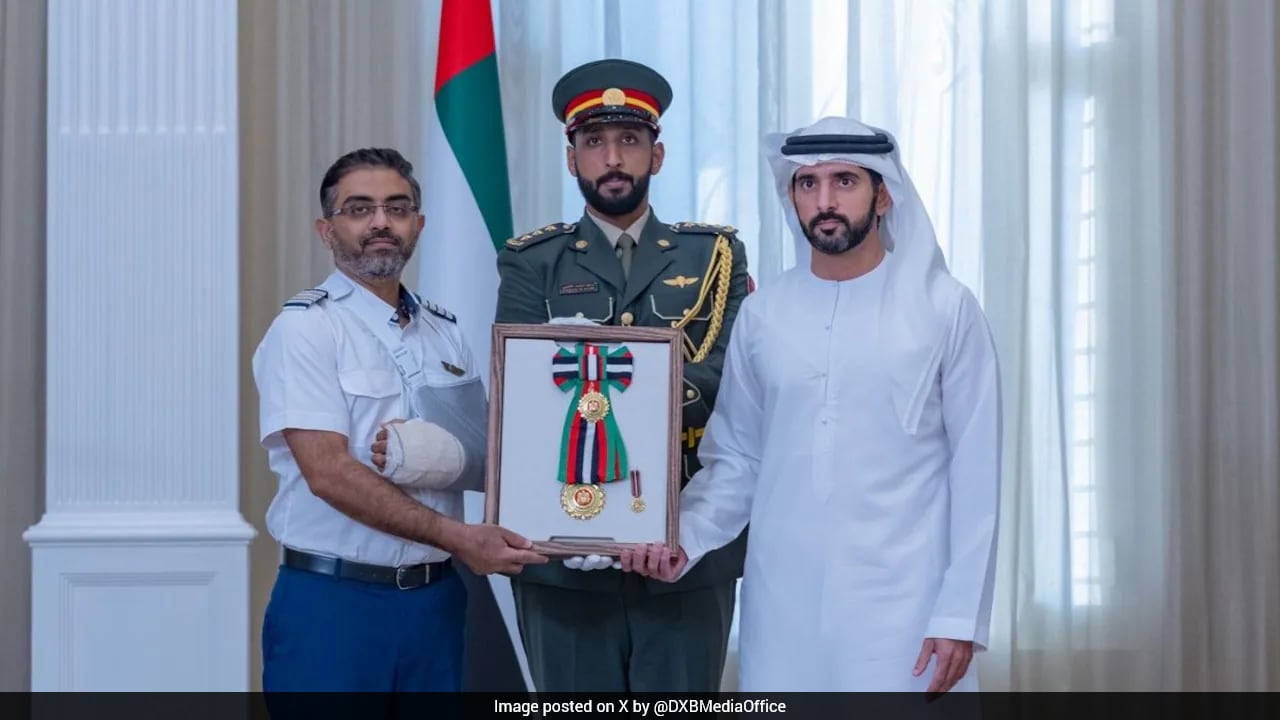
The UAE leadership recognized that extraordinary grit. UAE President His Highness Sheikh Mohamed bin Zayed Al Nahyan recently conferred the First Class Order of Zayed II on Indian pilot Captain Smit Machchhar and his crew. The awards were presented directly by His Highness Sheikh Hamdan bin Mohammed bin Rashid Al Maktoum, Crown Prince of Dubai, highlighting an aviation crisis that could have easily ended in an unthinkable tragedy.
Let us look past the standard press releases and examine what actually happened in that cockpit, why this recognition matters, and what it teaches us about human instinct under extreme pressure.
Inside the Cockpit Chaos on Flight FZ 1073
Most people assume cockpit security protocols make in-flight attacks nearly impossible. The reality is far more terrifying when the threat originates from inside the flight deck itself.
On that fateful September day, flydubai flight FZ 1073 faced an internal assault when the Omani co-pilot, Hamam al-Hammami, launched a sudden attack on Captain Smit Machchhar using a crash axe. Seriously injured and bleeding heavily, Captain Machchhar managed to open the cockpit door and sound the alarm.
What followed defied every standard script of aviation emergencies.
Instead of panic consuming the cabin, an eclectic mix of passengers sprang into action. Among them were two off-roster pilots, a plumber named Yaniv Hayun who used techniques learned from watching the television show "Mayday" to help stabilize the aircraft, an insurance agency owner, a bank underwriting CEO who secured the attacker with earphones, and a dentist who administered crucial first aid to the critically wounded captain.
This mix of professional training and spontaneous civilian bravery averted a devastating crash.
The Weight of the First Class Order of Zayed II
State honors often feel like empty diplomatic gestures. This one is different.
By awarding the First Class Order of Zayed II to Captain Machchhar and the crew, the UAE government sent a clear signal about accountability and valor in international aviation. Aviation hubs like Dubai handle millions of transit passengers daily. Passenger trust is the invisible currency keeping global mobility alive.
When a crew and passengers put their lives on the line to neutralize an internal threat, ignoring it would destroy public confidence. Honoring them publicly reassures travelers that the aviation ecosystem values absolute vigilance.
Furthermore, Captain Machchhar's Indian nationality brought immense pride to the global aviation community, underscoring how international crews form the backbone of modern Middle Eastern carriers. It also highlighted the quiet resilience of pilots who train for engine failures and severe weather, only to face violent human malice instead.
What the Incident Reveals About Modern Aviation Security
Incidents like the FZ 1073 attack force airlines and regulatory bodies to ask uncomfortable questions.
- Vetting and Mental Health: How do airlines screen for sudden psychological breaks among flight deck crew members? Background checks and standard medical exams do not always capture sudden behavioral shifts or ideological radicalization.
- Cabin-to-Cockpit Dynamics: The physical barrier of the reinforced cockpit door is designed to keep external threats out. When the threat is already inside, breaking that seal to alert the cabin requires split-second judgment.
- The Power of Passenger Intervention: Aviation security historically relied on keeping passengers passive during hijackings or attacks. Flight FZ 1073 proved that when trained personnel are incapacitated, passengers will take control.
Airlines worldwide are quietly reviewing cockpit protocols, crew resource management, and emergency physical access. You will not see sweeping regulatory changes announced overnight, but internal safety audits across major carriers have accelerated significantly since late September.
Real Heroes Don't Wear Capes
We live in an era cynical about heroism. We tend to dismiss acts of bravery as viral moments or PR stunts.
Yet, when you read about a dentist stitching up a pilot's wounds while a plumber-turned-amateur-pilot helps steady a commercial jetliner, the cynicism fades. Captain Smit Machchhar did not ask to be part of a terror plot. He simply refused to let his aircraft go down without a fight.
The UAE President's recognition is a fitting tribute to a crew that held their ground when everything fell apart. Real courage is messy, terrifying, and completely human. Flight FZ 1073 proved that when the worst happens, ordinary people are still capable of extraordinary resolve.