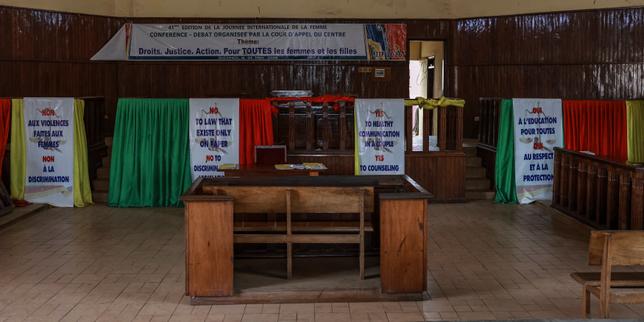
The numbers are climbing, and silence is no longer an option. At least 76 women have lost their lives to domestic violence and gender-based homicides in Cameroon over the past year. Behind these grim statistics lie shattered families, delayed justice, and a legal framework that treats fatal misogynistic crimes as ordinary homicides. Civil society groups, activists, and networks like the REJEFEMAC are pushing back hard. They demand that lawmakers stop dragging their feet and finally pass a comprehensive, dedicated law against gender-based violence and femicide.
The Reality Behind the Surge in Femicides
When over seventy women die under the blows of their partners, ex-partners, or close relatives in a matter of months, you are looking at a public health emergency, not isolated tragedies. Activists across Yaoundé and Douala have spent months sounding alarms. They point out that existing penal codes fail to capture the specific nature of domestic terror.
Courts routinely handle these killings under general criminal statutes, minimizing the systemic nature of gender-driven violence. Perpetrators often walk away with light sentences because prosecutors struggle to prove premeditation in crimes born out of household abuse. Families of victims face an uphill battle trying to secure justice while mourning a loved one. The current legal gaps basically offer abusers a shield of impunity.
The Push for Legislative Reform
Pressure on the National Assembly reached a boiling point as the November parliamentary session opened. Speaker of the National Assembly Théodore Datouo publicly condemned the rising tide of femicides, calling them a painful reality that pricks the national conscience. He acknowledged that indignation alone achieves nothing and signaled that an anticipated bill tackling gender-based violence would soon hit the floor.
This momentum didn't happen by accident. It is the direct result of tireless advocacy by local non-governmental organizations, women's rights networks, and human rights defenders. Earlier in the year, grassroots coalitions gathered hundreds of stakeholders—including activists, legal experts, and state representatives—to draft a robust avant-projet de loi in Ebolowa. This draft sets clear sights on filling major loopholes:
- Creating a distinct criminal definition for femicide.
- Establishing enforceable protection orders for women facing imminent danger.
- Guaranteeing comprehensive reparations and support systems for survivors and victim dependents.
What Stands in the Way of Real Change
Drafting a bill is one thing; getting it passed without watering down its core protections is another battle entirely. Bureaucratic delays, entrenched patriarchal attitudes, and resistance from conservative quarters remain major obstacles. Too many local authorities still view domestic violence as a private family matter rather than a serious crime requiring state intervention.
Furthermore, passing a law is only half the battle. Without proper training for law enforcement officers, dedicated funding for shelters, and widespread legal education, even the best text on paper will gather dust. Women filing complaints at local police stations need to know they will be taken seriously, protected immediately, and not turned away to reconcile with an abuser.
Practical Steps Forward
If Cameroon is serious about stopping the bloodshed, action must happen on multiple fronts simultaneously. Lawmakers must fast-track the specialized violence bill during the current session without compromising its punitive and protective measures. Civil society organizations need continued funding and platforms to monitor court proceedings and hold authorities accountable.
If you want to support this movement, amplify local human rights groups, share verified reports from frontline feminist networks, and demand transparent updates from elected representatives on how they vote on the upcoming legislation. Change requires sustained pressure, both inside the parliament and out on the streets.