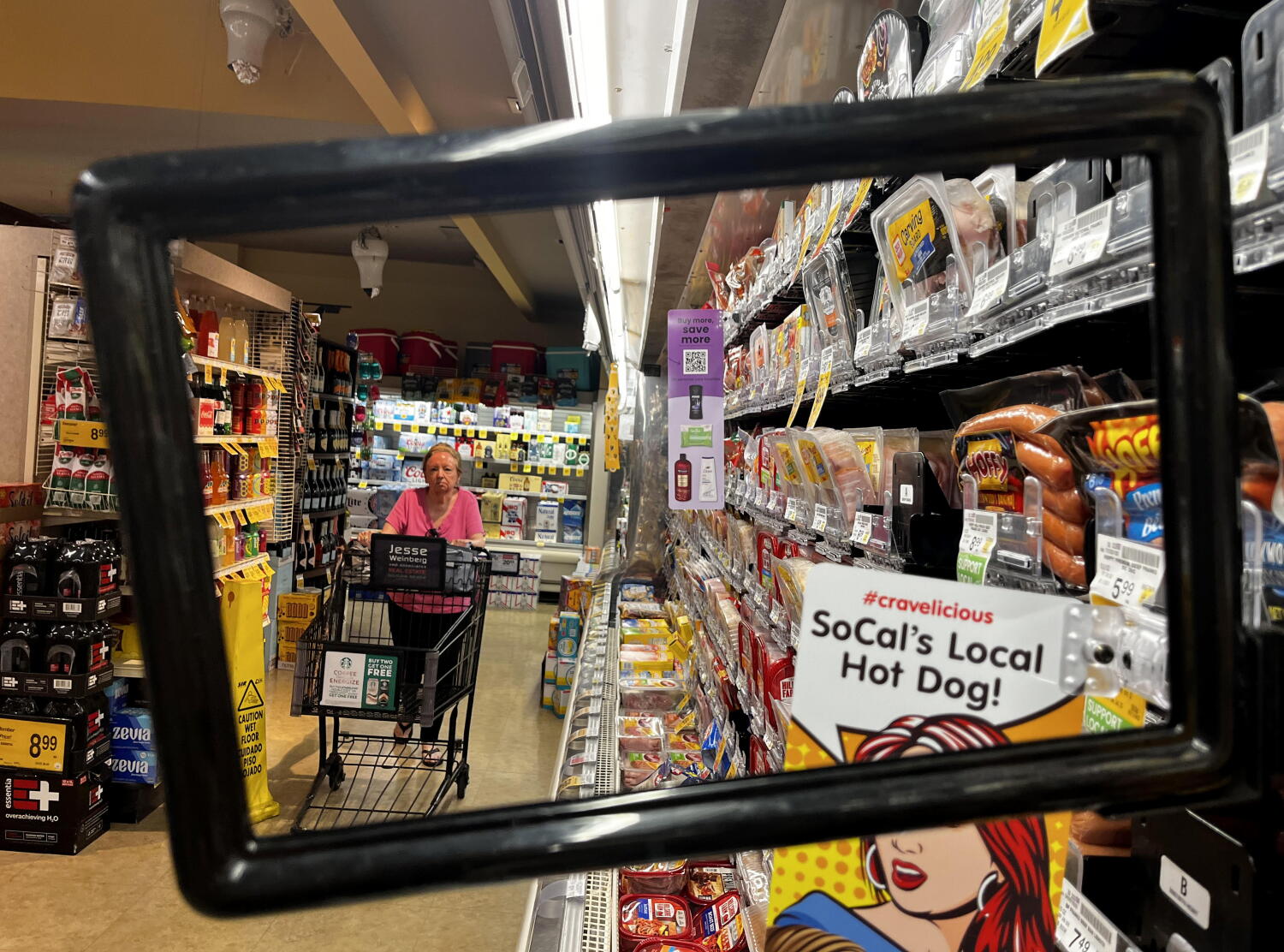
You shouldn't need a chemistry degree to figure out what you're eating for dinner. Yet, wandering down a standard supermarket aisle feels like decoding an industrial patent application. Food labels are crammed with emulsifiers, synthetic dyes, and preservatives that sound like they belong in a laboratory rather than a pantry.
California is changing that reality. Governor Gavin Newsom signed legislation creating the first official state-backed non-ultraprocessed food certification and seal. Authored by Assemblymember Jesse Gabriel, the new law tackles the modern American diet head-on. It gives shoppers a clear, trustworthy marker to spot whole, minimally processed items without squinting at microscopic ingredient lists.
If you've spent any time trying to avoid factory-made junk food, you know how frustrating the grocery store can be. Let's look at what this new seal actually means, how it works, and why it's causing friction.
What Constitutes an Ultraprocessed Food Anyway
Before you can understand a non-ultraprocessed label, you have to look at what California targeted first. Last year, California became the first state to formally define ultraprocessed foods. These aren't just foods that have been frozen, canned, or pasteurized.
Instead, ultraprocessed foods are industrial formulations. They typically contain at least one chemical additive, artificial flavor, synthetic color, or excessive amounts of added sugar, sodium, and saturated fat. Think of packaged snack cakes, bright neon breakfast cereals, and shelf-stable meat nuggets engineered specifically to trigger overeating.
The science linking these items to chronic health problems keeps piling up. High consumption correlates with rising rates of Type 2 diabetes, fatty liver disease, heart conditions, and certain cancers. The body simply doesn't process industrial chemical matrices the same way it handles real food.
How the New California Seal Works
The newly signed law sets up a voluntary certification standard. Food manufacturers don't have to use the seal, but if their products meet strict criteria proving they lack chemical additives and excess additives, they can apply for the state-verified label.
The system mimics the market-driven success of the USDA Organic label. It relies on a transparent verification framework:
- Certification agents must register directly with the state.
- State officials can audit certification records at any time.
- California will maintain a public online registry of all certified products.
- Misusing the label carries strict penalties.
The law also targets large grocery stores. Retailers making over $10 million in annual sales that stock at least 25 certified non-ultraprocessed items must prominently display and highlight these products in-store. Shoppers won't have to hunt for them in obscure corners.
The Pushback From Industry and Skeptics
Not everyone is popping champagne over the new mandate. Food industry groups have raised concerns, arguing that a state-specific label might create market confusion or penalize standard manufacturing practices. Critics point out that "processed" is a broad spectrum, and drawing a hard line can get messy.
Some public health watchdogs also strike a cautious note. Organizations like the Center for Science in the Public Interest suggest that shoppers looking for a healthy diet should focus on whole foods rather than chasing a specific label.
Even so, the legislative momentum was undeniable. The bill cleared the State Senate 32-0 and sailed through the State Assembly 72-0. Bipartisan agreement on food safety is rare, which shows just how exhausted lawmakers and voters are with the status quo.
What This Means for Your Shopping Cart
If you live outside California, you might wonder why this matters to you. California's massive market size dictates national packaging and distribution standards. When the state shifts policy, food manufacturers often reformulate products nationwide to avoid managing two separate supply chains.
You can expect to see certified products hitting California shelves soon. Brands that clean up their recipes will likely lean into the marketing value of the seal.
To take advantage of these shifts right now without waiting for labels to roll out, keep a few practical strategies in mind:
- Shop the perimeter of the grocery store where fresh produce, meat, and dairy live.
- Read ingredient lists for words you can't pronounce or visualize in a home kitchen.
- Prioritize single-ingredient whole foods whenever possible.
Take control of your plate by looking past marketing hype and demanding true transparency from food producers.