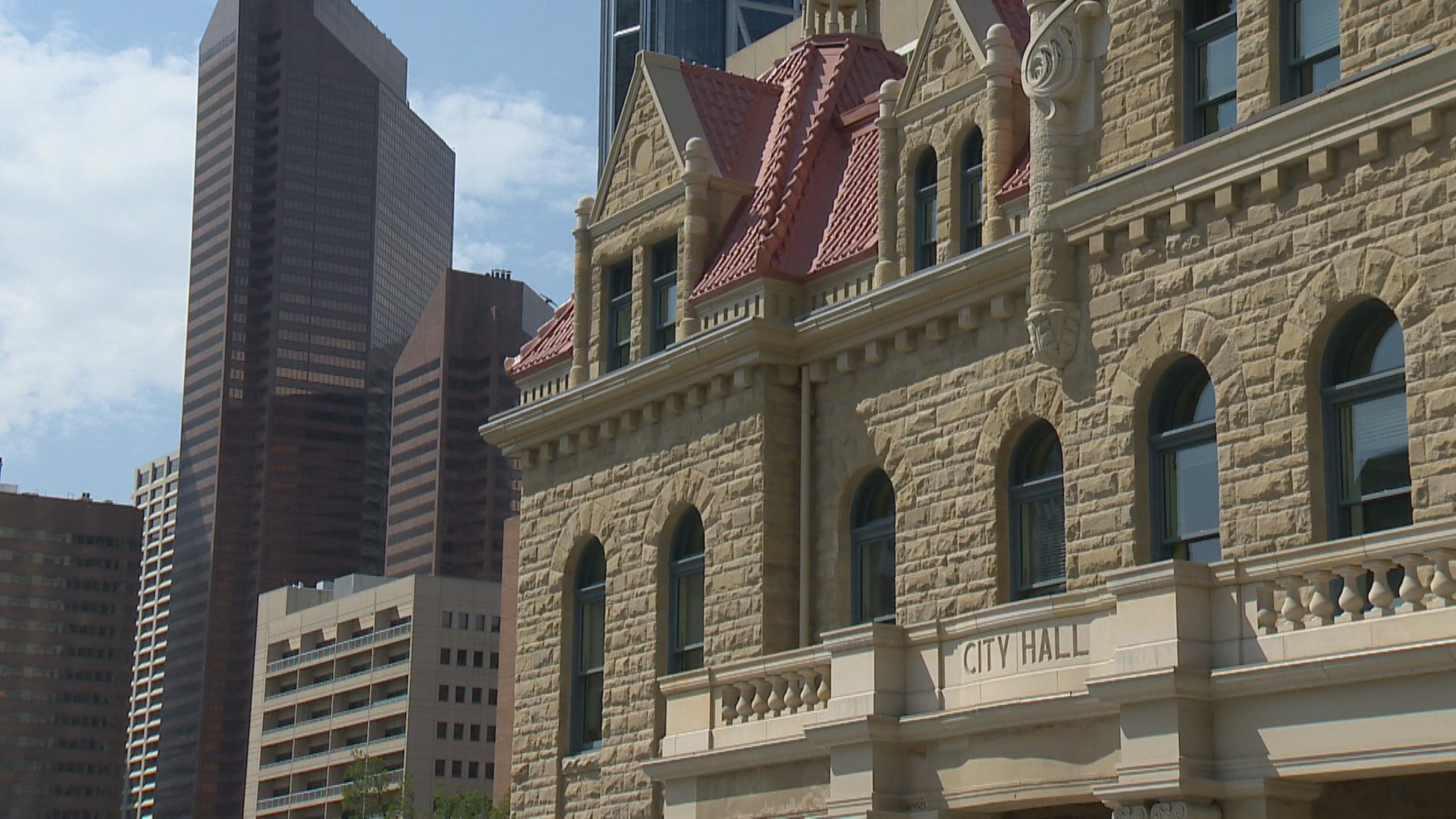
Calgary's proposed four-year budget dropped like a ton of bricks. If you own a home in the city, you're looking at a staggering 15 per cent property tax increase in 2027 alone. That is not a typo.
City officials released the multi-year spending plan, and the cumulative four-year tax trajectory is enough to make any homeowner sweat. Over the next four years, total property taxes could climb by a jaw-dropping 37 per cent if the budget passes as currently written. People are already trying to figure out how to absorb an extra $53 per month for a median residential property valued at $688,000, which factors in utility and waste fee bumps alongside the direct tax hike.
Let's look at what is driving these numbers and why residents are furious.
The Breakdown of the Spending Plan
The city claims the massive tax bump is necessary to catch up on critical infrastructure and public safety. The first year of the plan introduces nearly $600 million in brand-new spending for 2027.
When you dig into where the money goes, the priorities become clear. The Calgary Police Service and Calgary Fire Department are slated for a combined $188 million in new funding. Calgary Transit is getting a $134 million boost, and ongoing operating and one-time infrastructure allocations sit at $256.3 million.
Over four years, the recommended capital spending hits an eye-watering $21 billion. That includes $13 billion dedicated purely to brand-new capital infrastructure. Major line items feature $1.7 billion for the Pine Creek and Fish Creek wastewater treatment plants, $420 million for roadways, $102 million for new emergency stations, and $300 million to buy fresh transit buses.
Police funding is getting an aggressive push. The Calgary Police Service is projected to receive its entire $192 million requested capital budget increase, marking a 73 per cent jump over four years, alongside its full operating request.
The Reality of Rising Debt
You cannot spend billions without borrowing. City debt is projected to surge from $4.2 billion in 2027 all the way up to $10 billion by 2030.
City hall admits this will stretch finances thin. The budget document itself warns that while debt remains within approved limits, piling on more obligations means higher debt-servicing payments down the road. That eats away at future funding flexibility, meaning future councils will have fewer dollars to play with when unexpected crises hit.
Meanwhile, transit users and recreation seekers aren't catching any breaks. Calgary Transit fares are climbing by 3.8 per cent, and adult leisure centre admission costs are set to rise by 3.1 per cent in 2027.
A Silver Lining on Assessments?
Property values are actually expected to dip slightly. Preliminary figures show the assessed value of a single residential property dropping 2.5 per cent from $706,000 in 2026 down to $688,000 in 2027. Condos are projected to drop even further, down 5.6 per cent to $327,500.
Because assessments are dropping, the provincial portion of property taxes is expected to shrink. The province has frozen its standardized rate for the next three years, meaning the provincial property tax drop could net the typical homeowner about $125 in savings.
Unfortunately, a $125 provincial break does little to offset a double-digit municipal tax hike that compounds year after year.
Council deliberations later this month will determine whether these numbers stick or face heavy pushback from residents who are already squeezed by inflation. If you live in Calgary, keep a close eye on council chambers. Your wallet depends on it.