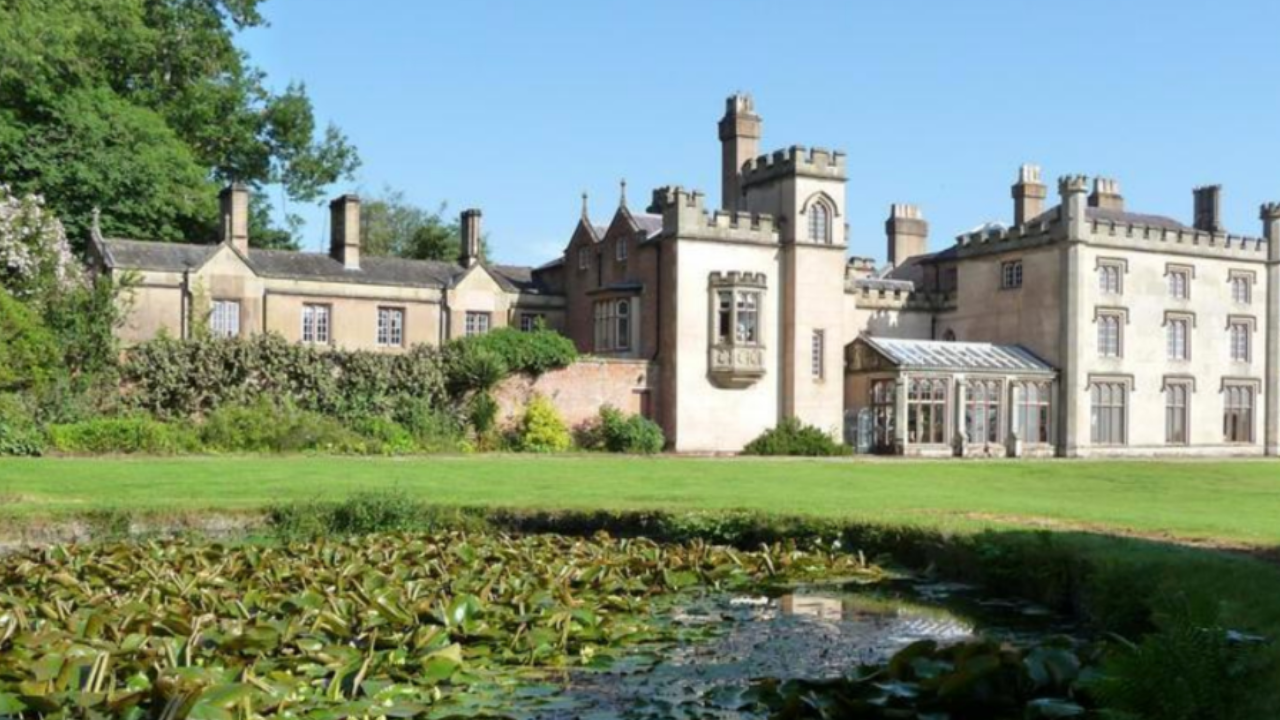
Buying a crumbling historic estate sounds like a romantic lifestyle fantasy until local planning authorities threaten you with criminal prosecution. Four friends found out the hard way after dropping 1.3 million pounds on Llanerchydol Hall, a Grade II* listed Welsh mansion built in 1776, only to pour another 700,000 pounds into its rescue and land square in the middle of a legal war.
Powys County Council recently dropped its prosecution against the owners over alleged unauthorised work. But the real story isn't just about a court case falling apart. It is a cautionary tale about the brutal realities of heritage property restoration in the UK.
The Heavy Price of Preserving History
Llanerchydol Hall near Welshpool isn't just an old house. It is a massive piece of architectural history originally built by tea trader David Pugh after a fire destroyed the previous structure on the site. Featuring sprawling parklands, a 1920s Japanese garden, and historic significance spanning centuries, the estate demands constant attention and staggering financial upkeep. Annual building insurance alone tops 20,000 pounds.
When Benjamin Sutterby, George Dodge, Richard Stokes, and Ranjeet Kaur Saini bought the neglected property, their goal was simple. They wanted to transform the decaying halls into a sustainable hospitality business. Documented publicly on Channel 4's Help! We Bought a Hotel!, their journey quickly exposed the friction between ambitious private investors trying to stop a building from rotting and rigid bureaucratic planning controls.
Where Red Tape Collides With Urgent Repairs
Restoring a heritage-protected building requires navigating a maze of red tape. The dispute with Powys County Council escalated after authorities refused retrospective planning permission for certain alterations back in June 2023. Even as restoration work pressed forward to prevent further structural deterioration, the council issued a temporary stop notice. Public complaints to heritage body Cadw piled on the pressure, setting the stage for a criminal trial that could have resulted in unlimited fines.
People often assume that if you own a historic property, you can fix whatever is broken. That is completely false. Every nail, plaster type, and timber replacement can become a legal minefield. The owners were accused of failing to submit full building control plans, failing to notify the council before starting construction, and neglecting to apply to regularise completed work.
What You Need to Know Before Taking on a Heritage Project
If you are eyeing up a historic fixer-upper, you need to understand the realities of heritage compliance.
- Planning permissions take months, sometimes years. Emergency repairs are one thing, but structural changes to a Grade II* listed building require meticulous administrative patience.
- Local councils hold massive leverage. Ignoring stop notices or proceeding without sign-offs can escalate civil planning disputes straight into criminal prosecution territory.
- Cash flow must outpace your dreams. A 1.3 million pound purchase price and a 700,000 pound renovation budget sounds substantial, but historic buildings always hide structural surprises that double your costs.
While the council's decision to drop the prosecution brings immediate relief, it does not mean all renovation work has official sign-off. The four owners are still fighting to make the property financially viable by opening the west wing to paying guests and exploring stable conversions.
Historic preservation requires more than enthusiasm and capital. It requires an iron stomach for bureaucracy.