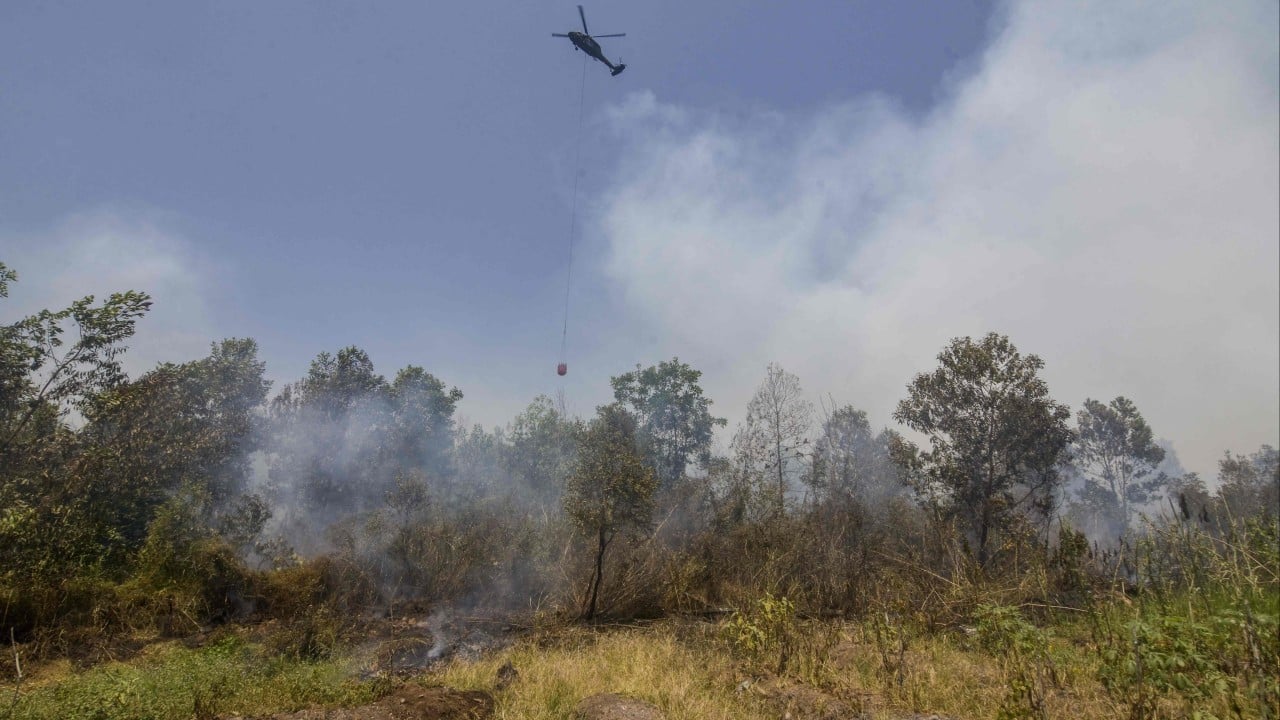
Battling massive forest blazes from the air is a desperate, high-risk game. When an Indonesian military Mi-17V5 helicopter went down off the coast of Borneo during an intensive water-bombing run, it put a human face on a brewing environmental catastrophe.
The aircraft, carrying an eight-member crew, crashed near the Tanjung Puting National Park region in Central Kalimantan. According to statements from Army Public Relations Chief Brigadier General Donny Pramono, the mission turned fatal when the helicopter was scooping seawater to fight relentless peatland fires. One crew member lost their life, five were pulled from the wreckage and hospitalized in stable condition, and rescue teams scrambled to locate the remaining two personnel.
Accident investigators are still piecing together the exact mechanical or environmental trigger, but the broader picture is hard to ignore. Flying heavy transport choppers through thick smoke, erratic winds, and heavy loads pushes both machines and pilots to their absolute limits.
Why Borneo's Skies Are Burning
You can't talk about this crash without looking at the crisis that caused it. Indonesia has faced an unrelenting onslaught of wildfires, fueled heavily by strong El Niño weather patterns that turn lush landscapes into dry tinderboxes.
Monitoring groups like Nusantara Atlas note that blazes have scorched well over 1.9 million hectares through September alone. This isn't just about dry weather, though. Decades of aggressive deforestation and the drainage of carbon-rich peatlands have turned large swaths of Borneo into an ecological ticking time bomb. Once peat catches fire, it burns underground for weeks, pumping out dense, toxic smoke that's nearly impossible to suppress from the ground alone.
That forces authorities to rely heavily on aerial firefighting units like the ill-fated Mi-17 crew. Skimming low over water sources, hauling hundreds of gallons of weight, and diving back into zero-visibility smoke is everyday danger for these military aviators.
The Human and Ecological Toll
The cost of these fires goes far beyond burned timber. The thick haze choking parts of Southeast Asia has triggered a severe public health emergency.
Data from the Centre for Research on Energy and Clean Air estimates that pollution from September's blazes alone contributed to thousands of premature deaths. Meanwhile, the Indonesian Health Ministry reported that over 400,000 people have sought medical treatment for acute respiratory infections.
Animals are taking a massive hit, too. The crash site near Tanjung Puting is a critical sanctuary for critically endangered Bornean orangutans and countless other native species whose habitats are shrinking by the day.
What Happens Next in the Region
Authorities are prioritizing the ongoing search and rescue efforts for the remaining missing crew members while providing medical care to the survivors at Kuala Pembuang Hospital. Beyond the immediate aftermath, military and aviation safety boards face mounting pressure to evaluate the strain placed on aging transport fleets deployed in round-the-clock disaster relief.
Until structural changes address the root causes of peatland degradation and climate adaptation, brave crews will keep flying into the smoke.