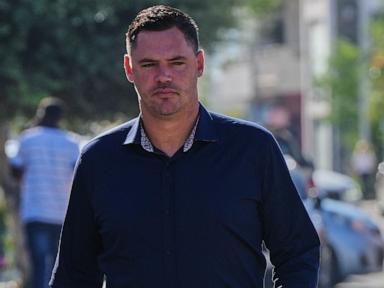
A holiday is supposed to be an escape from reality. For British auditor Josh Foster, a family trip to Cyprus turned into an irreversible nightmare on July 12, when his three-year-old son tragically fell to his death from a fourth-floor hotel window in Paphos. Now, as the legal proceedings reach a critical juncture in the Paphos District Court under Judge Froso Christodoulidou, a deeply painful question takes center stage. Does a grieving parent who made a fatal error in judgment deserve to spend years behind bars?
If you've been following international legal news, you know that Foster recently pleaded guilty to causing death by a rash or negligent act. Facing a maximum sentence of four years in prison, his defense team, led by Alexandros Alexandrou, has formally asked the court to spare him incarceration. The argument is stark and visceral: the lifetime of psychological trauma and grief he already carries is punishment enough.
Yet, the case has sparked fierce debate across borders, dividing legal experts, tourists, and parents alike. When tragedy strikes thousands of miles away from home, the intersection of foreign legal systems, personal accountability, and parental grief creates a complex puzzle with no easy answers.
The Reality of Foreign Legal Systems for Tourists
Most families travelling abroad never think about local penal codes until something goes horribly wrong. When you visit popular Mediterranean destinations like Cyprus—which welcomes millions of British holidaymakers annually—you assume standard safety protocols mirror those back home.
However, legal frameworks regarding criminal negligence differ dramatically across international borders. In many jurisdictions, an accidental tragedy caused by a split-second mistake can still cross the threshold into criminal liability.
- The Charge: Foster admitted to a rash or negligent act under local statutes, acknowledging the tragic outcome of his actions.
- The Defense: His lawyers argued that it was a momentary lapse of attention—lifting his son near a window to look at a waterpark, believing the glass was secure—rather than malicious intent.
- The Prosecution: Authorities point to the devastating real-world consequence and safety standards that must be enforced, regardless of the defendant's emotional state.
When accidents happen in foreign hotels, the local justice system takes precedence. Navigating translation barriers, unfamiliar court procedures, and foreign prison standards adds an unbearable layer of stress to an already broken family.
Why Foreign Hotel Safety Standards Are Under Scrutiny
This heartbreaking case forces a hard look at hotel infrastructure and child safety measures abroad. Windows on upper floors of international resorts often lack the restricted opening mechanisms or safety bars mandated in other regions.
When you check into a hotel room with toddlers, you place immense trust in the property's design. Standard hotel architecture should prevent a child from reaching an open drop, yet vacation accommodations frequently feature sliding windows or low sills that invite curiosity.
- Balcony and Window Heights: Many older resorts do not meet modern child-proofing specifications.
- Lack of Clear Warnings: Warning signs or secure locks on high-rise windows are often absent or easily bypassed.
- Parental Vigilance vs. Environment: While personal watchfulness is paramount, safer architectural design acts as a vital safety net when human attention inevitably wavers.
Families need to actively inspect hotel rooms upon arrival. Checking window locks, moving furniture away from glass panes, and requesting lower-floor accommodations can prevent unimaginable tragedies. Don't assume a hotel room is inherently child-safe just because it welcomes families.
The Human Cost of Legal Proceedings Abroad
The emotional toll on Josh Foster extends far beyond the courtroom walls. After being released on bail—reportedly set at €30,000—he was permitted to travel back to the UK briefly to attend his son's funeral before returning to Cyprus for the final mitigation hearings.
The psychological burden of facing a potential multi-year prison sentence while mourning a child is difficult to fathom. Friends and family have spoken out about the immense strain placed not just on Foster, but on his wife and surviving daughter, who flew home weeks after the incident.
When courts weigh sentences in cases of accidental child fatalities, judges face an agonizing dilemma. Deterrence and public accountability must be balanced against mercy and the recognition that prison cannot undo an accidental tragedy.
As Judge Christodoulidou prepares to deliver the final verdict on October 16, the case serves as a grim reminder of how quickly a family vacation can shatter. Take extra precautions when traveling with young children, check every room feature meticulously, and never underestimate how fast a tragedy can unfold when attention slips for a single second.