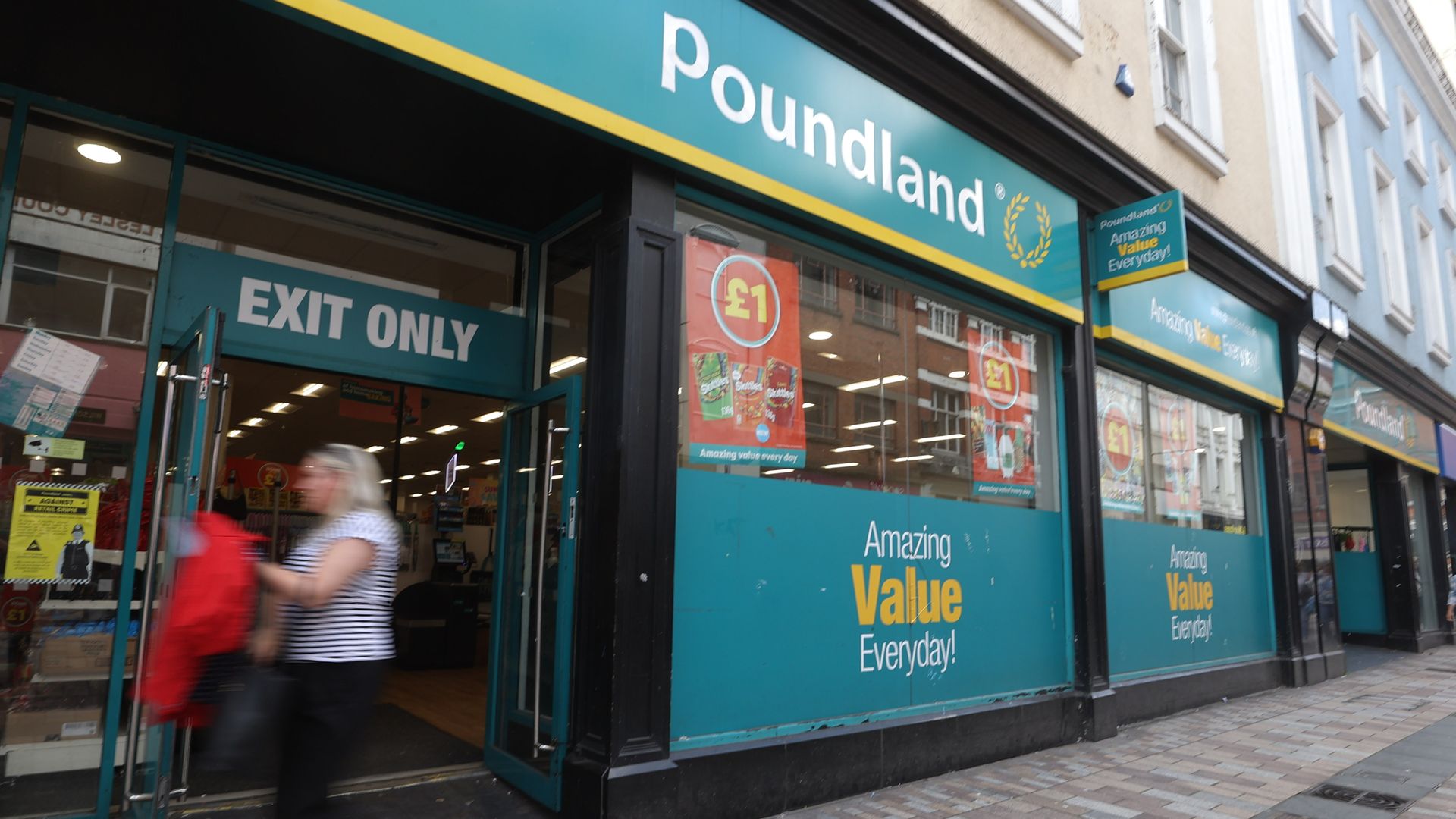
Corporate scandals rarely unfold in polite corporate boardrooms anymore. They play out on high streets, across supplier invoices, and through a quiet, devastating withdrawal of institutional trust. Britain's leading retail charity, the Retail Trust, has just drawn a sharp line in the sand by refusing to give its public backing to the executive leadership at Gordon Brothers, the US investment firm steering Poundland through an explosive insolvency crisis.
When a charity dedicated to supporting retail workers quietly steps back from endorsing a major private equity player, it sends a loud signal. It means the friction between financial engineering and actual human livelihoods has reached a breaking point.
The Anatomy of a High Street Breakdown
The trouble didn't start overnight. Ever since US-based private equity firm Gordon Brothers took control of Poundland—following its separation from Pepco Group—the retailer has walked a tightrope of financial vulnerability. Reports revealed that Gordon Brothers pulled in more than £18 million in fees and charges from Poundland during a shockingly brief period of ownership.
Meanwhile, suppliers stare down devastating losses, and thousands of jobs hang in the balance. When a company's leadership extracts millions in fees while the underlying business teeters on the edge of administration, the optics are toxic. Politicians have stepped in to demand answers, questioning why viable rescue bids from alternative buyers were reportedly sidelined or rejected.
The Retail Trust's refusal to back the executives heading this saga highlights a widening chasm between private equity returns and the welfare of ordinary shopfloor employees. Charities in the retail sector rely heavily on corporate partnerships and goodwill. Associating with a firm facing fierce political and public scrutiny over its handling of a national high street staple is a reputational risk no advocacy group wants to shoulder.
Behind Closed Doors and Blocked Bids
The drama intensified when potential rescue deals, such as those floated by the Martin Property Group or other private investors, collided with Gordon Brothers' internal restructuring strategies. Critics and suppliers argue that the priority should be keeping doors open and saving the maximum number of jobs across hundreds of remaining stores. Instead, the standoff has driven the discount chain toward potential administration, threatening a sprawling supply chain network that supports up to 30,000 livelihoods.
Private equity playbooks often rely on aggressive financial maneuvering, asset optimization, and debt restructuring. But when applied to legacy high street brands with massive physical footprints and thousands of loyal staff, those tactics face a harsh reality check. High street retail isn't a spreadsheet; it's a fragile ecosystem of logistics, consumer footfall, and community trust.
What This Means for Private Equity on the High Street
The fallout from the Poundland crisis establishes a brutal precedent. Institutional silence and public refusals of endorsement from sector bodies show that corporate behavior is facing steeper accountability. You can no longer extract heavy management fees and walk away unscathed while local communities shoulder the collateral damage of a collapse.
If private equity firms want to play in the retail space, they need to realize that stakeholder capitalism has teeth. Workers, suppliers, and industry charities are no longer willing to play passive victims to financial restructuring.
The next few days will determine whether a eleventh-hour rescue can salvage the brand or if another retail titan falls victim to boardroom miscalculations. One thing is already certain: the days of operating behind closed doors without intense public and institutional pushback are officially over.