Justice often moves slowly, but federal accountability caught up to Mohamed Soliman in a Denver courtroom. Already serving a life sentence following a state court conviction earlier in the spring, Soliman changed his not guilty plea to federal hate crime charges. This development stems from a horrific June 2025 attack on the Pearl Street Mall in Boulder, Colorado.
When you look closely at how this case unfolded, the federal prosecution highlights a stark reality about modern targeted violence. Soliman walked up to a group of demonstrators who had gathered peacefully to support hostages taken during the October 7, 2023, Hamas attack on Israel. Shouting slogans, he hurled homemade Molotov cocktails into the crowd. The resulting flames severely burned 82-year-old Karen Diamond, who tragically died three weeks later after suffering what her family described as indescribable pain. A dozen others sustained injuries, and even a dog caught in the blast suffered fatal burns.
Federal prosecutors brought twelve charges against Soliman, including nine counts of federal hate crimes, alongside charges for using and carrying explosives during a felony. While federal authorities initially weighed their options, they ultimately decided against seeking the death penalty. Because he is already locked away behind bars for life on state convictions, this federal plea agreement guarantees that he will never walk free again, regardless of any future changes in state-level legal landscapes.
The Broader Impact on Hate Crime Enforcement
People often wonder why federal charges matter when a state has already secured a life sentence. Dual sovereignty allows both state and federal prosecutors to pursue justice when an offense crosses moral and legal boundaries. Federal hate crime statutes carry specific symbolic and systemic weight. They explicitly name bias and discrimination as the root drivers of the violence, creating an official federal record that guards against legal technicalities or overturned state verdicts.
During his earlier state court hearings, Soliman offered statements that tried to split hairs over his motivations, claiming he opposed political policies rather than targeting individuals because of their Jewish faith. Investigators and prosecutors dismantled that narrative easily. State evidence showed he brought eighteen explosive bottles to the scene in a box, alongside failed attempts to purchase firearms beforehand. That level of preparation exposed premeditation that went far beyond spontaneous political anger.
Fallout for the Families and the Community
The ripple effects of the attack extended far beyond the immediate victims on the Pearl Street Mall. Soliman’s wife and their five children, who immigrated to the United States from Egypt on a tourist visa in 2022 and later filed for asylum, faced intense scrutiny and detention. Immigration authorities detained the family for nearly ten months in Texas before a federal judge ordered their release back to Colorado. Court records show the family ultimately dropped their opposition to removal proceedings, choosing to return to Egypt as the legal nightmare concluded.
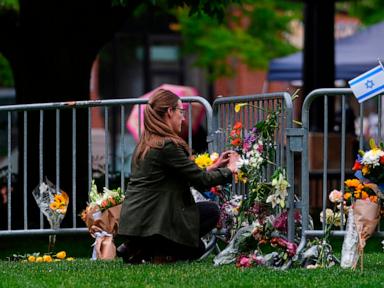
For Boulder's Jewish community, the end of this prosecution offers a measure of closure, though it can never erase the trauma of that afternoon. The demonstrators had walked weekly for nearly two years to raise awareness for hostages before the violence shattered their routine.
When violent extremism targets people based on their identity, the legal system has to respond with absolute clarity. The federal plea deal closes one of the darkest chapters in recent Colorado history and ensures that perpetrators of bias-motivated violence face the maximum weight of the law.