Africa imports roughly 99% of its vaccines despite needing well over a billion doses every year. That single statistic explains why South Africa's Biovac vaccine production push is far more than a routine expansion project in Cape Town.
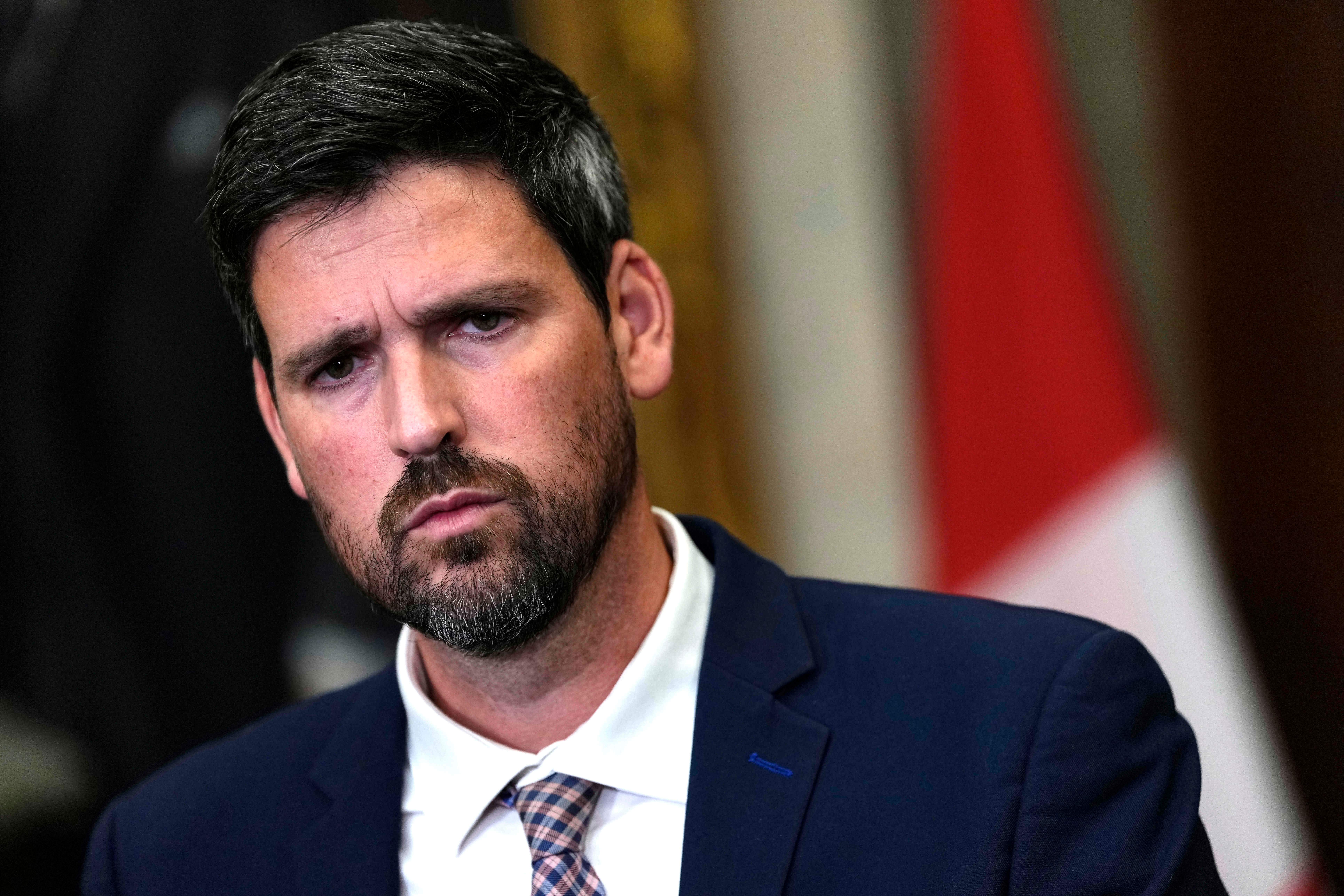
On November 25, 2026, Biovac executives and European Investment Bank Vice President Ambroise Fayolle toured the site of a new Cape Town manufacturing center backed by a 75 million euro loan, or about $82 million, from the EU's financing arm. With the facility targeting a ramp-up by the end of 2028, Biovac aims to reach roughly 150 million doses a year in potential output, including 30 to 40 million doses of an oral cholera vaccine pending regulatory approval.
Building concrete and cleanrooms in Cape Town is the easy part compared to what happens next. Factories don't save lives on their own. Skilled bioprocess engineers, predictable procurement orders, and World Health Organization prequalification do.
Why Biovac Vaccine Production Changes The Calculus
For years, most local vaccine work across Africa focused on fill-and-finish operations. You take bulk drug substance made somewhere else, vial it, label it, and ship it out. Useful work, sure, and it creates local jobs. Still, when export bans hit or global supply tightens, a fill-and-finish line can sit idle waiting for bulk imports.
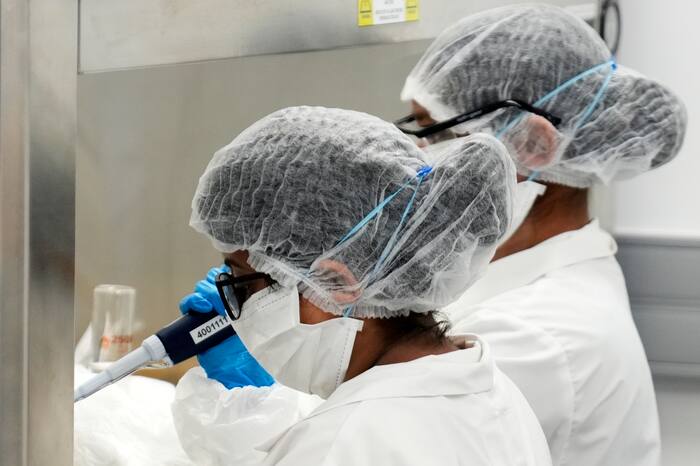
End-to-end production is a different beast altogether. It means handling the actual antigen manufacturing, formulation, testing, and quality control locally rather than relying solely on overseas bulk supply. According to reporting from the Associated Press and data from the Africa Centers for Disease Control and Prevention, Africa's reliance on imported vaccines remains stark even years after COVID-19 exposed the fragility of global supply chains.
Biovac isn't starting from zero. A public-private company part-owned by the South African government, it has spent years distributing and handling late-stage work for vaccines covering polio, tuberculosis, tetanus, and other diseases. Moving toward end-to-end production of an oral cholera vaccine by late 2028 would make it the first cholera shot manufactured entirely in Africa—and only the second end-to-end vaccine on the continent after Senegal's Pasteur Institute yellow fever vaccine.
Biovac licensed the base technology for the oral cholera vaccine from the International Vaccine Institute in South Korea. Clinical trials are underway, with initial safety and efficacy data expected by June. That timeline matters because regulatory clearance and clinical readouts have a habit of slipping, and no factory loan can speed up clinical evidence.
How The Financing And Global Partners Fit Together
A 75 million euro loan from the European Investment Bank doesn't solve Africa's vaccine gap overnight, even alongside broader financing efforts involving institutions like the African Development Bank, the International Finance Corporation, and European Union backing under its Global Gateway and EFSD+ frameworks. Financing is only one leg of a four-legged stool.
In global health policy, I've seen plenty of shiny new plants struggle because nobody locked in long-term buyers. Vaccines have brutal unit economics if a line sits half-empty. If global agencies or national health budgets keep buying cheaper imported doses whenever prices dip, local plants bleed cash.
That's why mechanisms like Gavi's African Vaccine Manufacturing Accelerator and coordinated procurement through partners like UNICEF matter so much. As the Access to Medicine Foundation has noted in its analysis of African vaccine manufacturing, technology transfers work best when paired with regulatory alignment, capital backing, and real demand certainty.
Consider what happens if a cholera outbreak spikes in one country while demand in neighboring markets stays flat. Without multi-year purchasing commitments and fast cross-border regulatory recognition, even a well-funded plant faces painful idle capacity.
The Cholera Bottleneck Nobody Can Ignore
Cholera isn't an abstract policy talking point. It's a fast-moving bacterial killer tied to contaminated water, floods, conflict, and weak sanitation.
The World Health Organization reported more than 7,000 cholera deaths across Africa last year—the highest annual toll in over two decades—while global vaccine shortages starting around 2022 forced immunization campaigns in parts of the continent to pause before restarting in 2026. When supply runs short, health workers have to ration single doses or delay rollouts in high-risk districts.
Having 30 to 40 million potential doses of a locally made cholera vaccine—assuming trials succeed and regulators sign off—won't erase water and sanitation deficits. Clean water infrastructure takes years and billions of dollars. Still, regional vaccine supply shortens response times when outbreaks erupt.
The 2040 Target Faces Harsh Realities
The African Union set an ambitious goal for Africa to manufacture 60% of its vaccines by 2040. Honestly, looking at where capacity sits right now, that number is a stretch unless everything breaks right.
Going from roughly 1% of continental vaccine needs to 60% in less than fifteen years requires massive capital, steady power and cold-chain logistics, specialized talent retention, and fierce competitiveness against established producers in Asia, Europe, and the Americas. Some vaccines with complex biological processes or tiny margins may still make more sense through pooled global procurement rather than fragmented local plants.
Critics also point out a fair tension in development finance. When European or multilateral institutions back flagship projects in a few industrial hubs, smaller countries can worry about uneven regional access. Fair point—though building strong anchor hubs in places with existing scientific ecosystems, like Cape Town, is often how regional supply chains start.
What Readers And Decision-Makers Should Watch Next
If you're tracking global health, biotech investment, or public procurement, don't stop at press releases about loans and groundbreaking ceremonies. Watch the execution milestones instead.
- Track the June clinical readout. Look for clear safety and immunogenicity results from Biovac's oral cholera vaccine trials, since clinical data sets the real clock on late-2028 production plans.
- Watch regulatory and prequalification steps. Follow South African health regulator approvals and World Health Organization prequalification timelines, which determine whether doses can reach wider regional and international programs.
- Check offtake and procurement deals. Pay attention to multi-year supply agreements and demand guarantees, because steady orders keep a 150-million-dose facility financially viable after construction wraps up.
- Monitor broader disease priorities. Watch how end-to-end capabilities expand beyond cholera toward other high-burden regional threats like polio, pneumonia, and meningitis.