Money talks in American politics, but the 2026 midterm elections didn't just speak—they screamed. Political ad spending surged past an unprecedented $11.6 billion, officially eclipsing the eye-watering totals of the 2024 presidential cycle. Let that sink in. Midterm elections, historically prone to lower turnout and reduced financial backing compared to presidential races, completely rewrote the rulebook.
If you are wondering how we reached a point where congressional battles cost more than a race for the White House, the answer lies in a toxic mix of mega-donors, crypto heavyweights, and relentless television ad saturation. Let's look at what is really driving this financial arms race and why traditional campaign spending models are broken.
The Faces Behind the Billions
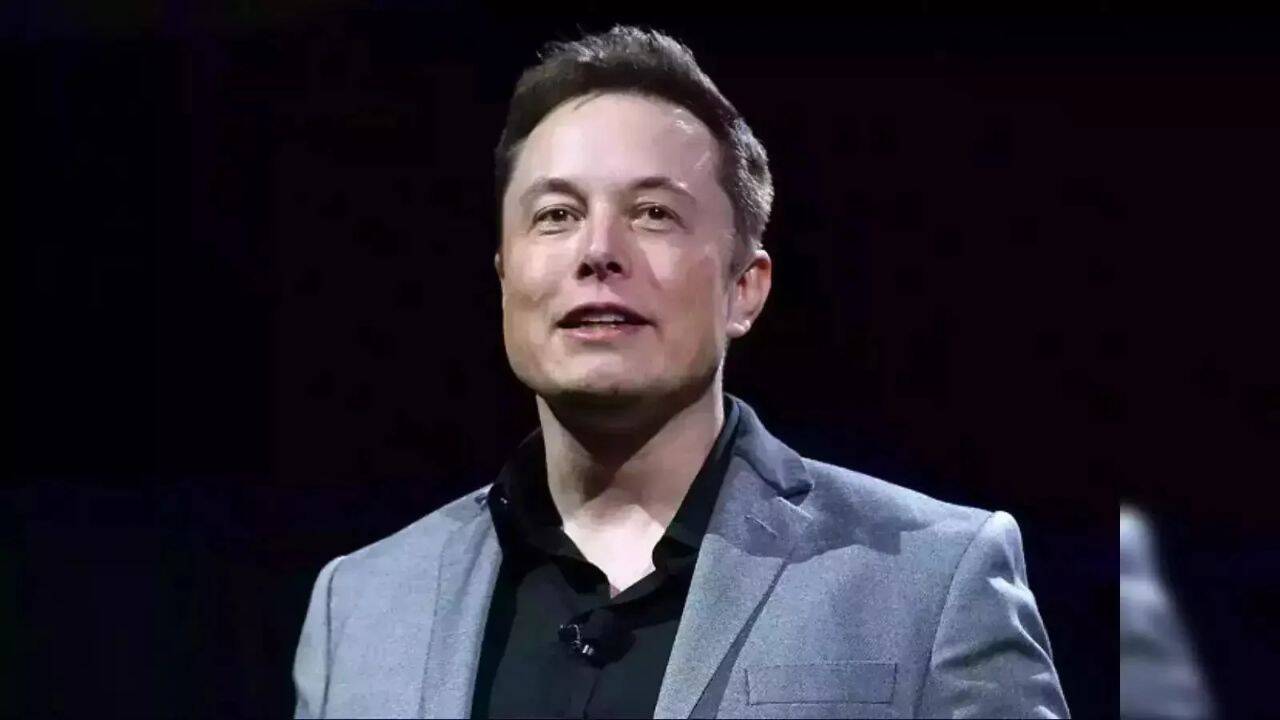
The sheer volume of cash flowing into political action committees (PACs) and candidate coffers is staggering. The top 50 individual contributors alone pumped a jaw-dropping $2.77 billion into the 2026 races. Topping that elite list of donors is Elon Musk, whose financial contributions to Republican-aligned groups crossed hundreds of millions of dollars, fueling Senate and House battles across competitive map zones.
On the other side of the aisle, traditional liberal mega-donors like George Soros and institutional progressive networks continued pouring substantial sums into defending Democratic majorities. But billionaires aren't the only ones bankrolling the current political climate. Corporate conglomerates and niche industry players have realized that writing massive checks is the fastest way to buy a seat at the legislative table.
Take the cryptocurrency sector, for instance. Digital asset firms and executives have stepped out of the shadows and directly into the donor spotlight. Coinbase pumped $57.8 million into the cycle, Ripple contributed $49.6 million, and Crypto.com parent company Foris DAX chipped in another $39 million. Traditional corporate powerhouses like the Koch network and sports betting giants like DraftKings also injected tens of millions into shaping regulatory futures. They aren't betting on candidates out of pure civic duty. They want clear legislative outcomes, and writing an eight-figure check is how they buy insurance against unfriendly policies.
Senate Races Turn Into Financial Black Holes
Why is the price tag so high? Look at the map. Senate control remains perpetually on a razor-thin margin, turning individual state races into multi-million-dollar battlegrounds. Senate-specific ad spending alone hit an estimated $3.4 billion, representing a massive 48 percent jump compared to the 2022 midterms.
Independent expenditures by outside groups and PACs reached $3.49 billion by late October, marking a staggering 79 percent increase over the same point in previous cycles. When control of Congress hinges on three or four suburban districts or a couple of swing states, campaigns stop budgeting and start lighting money on fire. Every square inch of local television, streaming platforms, and digital feeds gets flooded with saturation-level messaging.
Television ads continue to dominate political strategy. Despite the massive migration of eyeballs to social media and streaming apps, campaigns still funnel the lion's share of their budgets into linear TV. Why? Because older, high-propensity voters—the ones who actually show up reliably during midterms—still watch traditional broadcast television. Consultants know this, so they keep writing huge checks for 30-second spot rotations in local media markets from Ohio to Arizona.
Are Campaigns Just Burning Cash for Fun?
Here is the uncomfortable truth that political strategists rarely admit out loud: much of this $11.6 billion might be entirely pointless. Political scientists and communication researchers point out that staggering amounts of campaign spending yield diminishing marginal returns.
When both Democrats and Republicans saturate a market with hundreds of millions of dollars in negative ads, the messages cancel each other out. Voters tune out. Polarization hardens. Very few independent or undecided voters are genuinely persuaded by the tenth successive hyper-ventilating attack ad paid for by a super PAC they've never heard of.
Yet, candidates feel trapped in a prisoner's dilemma. If your opponent raises fifty million dollars and you only raise twenty, you feel naked. You have to match them dollar for dollar, buying increasingly expensive ad time just to keep your head above water. It’s an arms race fueled by fear rather than strategic efficiency.
What This Means Moving Forward
The 2026 midterms proved that campaign finance guardrails are essentially non-existent in practice. Super PACs, dark money networks, and wealthy tech and crypto elites have permanently altered the baseline cost of entry for federal office. If you want to run a competitive Senate campaign today, you need access to a national donor network before you even talk about local issues.
Until structural campaign finance reform happens—which is unlikely given that the people benefiting from the current system are the ones who would have to vote to change it—expect every upcoming election to break the financial records of the last. Money won't guarantee a win every single time, but it ensures that nobody can ignore the roar of a multi-billion-dollar megaphone.
The Record-Breaking Cost of the 2026 US Midterms
This video provides an in-depth breakdown of the financial figures, key races, and donor strategies driving the historic $11.6 billion spending surge in the 2026 US midterms.