You fill up your tank. You wince at the pump. Meanwhile, energy executives are popping champagne.
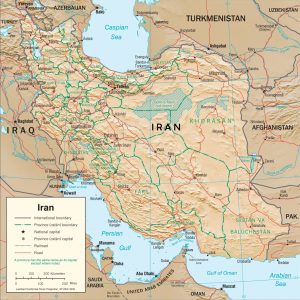
When fighting between the United States and Iran shuttered critical shipping lanes like the Strait of Hormuz, global crude supplies slammed into a wall. Brent crude prices surged past $100 a barrel and touched $126 at their peak. Drivers everywhere got squeezed, but major energy corporations pulled in staggering cash windfalls. Exxon Mobil doubled its second-quarter profits to $14.53 billion, while Chevron nearly quadrupled its net income to $12.07 billion.
It is a familiar cycle. Geopolitical chaos strikes, everyday consumers pay steep retail prices, and fossil fuel giants cash in. But understanding how this machinery actually works requires looking past the political noise and examining the mechanics of global supply chains and refining margins.
The Refining Boom Behind the Numbers
Most people assume energy companies make all their money simply by pulling crude out of the ground. That is only half the story. The real financial magic during this conflict happened inside refineries.
Companies like Exxon and Chevron own massive downstream infrastructure. They convert raw crude into gasoline, diesel, and jet fuel. When shipping routes shut down and regional refining capacity takes a hit, the gap between the cost of crude oil and the price of finished petroleum products widens dramatically. Analysts call this the crack spread.
During the height of the Iran conflict, refineries enjoyed historically massive crack spreads. While crude costs climbed because of war uncertainty, the market value for finished diesel and jet fuel skyrocketed by roughly 41% in the U.S. compared to pre-blockade levels. Refineries ran at near-full capacity, turning expensive crude into record profits while global supplies stayed choked.
Why Washington Is Talking Windfall Taxes
Record earnings during wartime inevitably trigger political retaliation. Lawmakers on Capitol Hill quickly revived windfall tax proposals.
Democratic Senator Sheldon Whitehouse and Representative Ro Khanna pushed legislative packages designed to claw back a portion of unexpected war-related oil profits. The idea is simple on paper. Companies keep half of their sudden market windfalls, while the other half goes back to lower-income households through tax rebates to offset high gasoline expenses.
Critics argue that price controls or punitive taxes discourage domestic production and ignore basic supply-and-demand economics. Energy executives point out that they do not personally set global commodity prices. Instead, market traders, refiners, and international buyers dictate what a barrel of oil costs based on fear and scarcity.
Winners and Losers in a Fractured Energy Market
Geopolitical shocks never affect every region equally.
American producers with diversified operations outside the Persian Gulf navigated the crisis well because they sold domestic and international barrels at inflated market prices. European firms holding spot-market oil in floating storage tankers also reaped immediate rewards during price spikes.
Conversely, operations directly inside the Middle East faced severe disruptions. Damaged fields, ruined processing facilities, and trapped liquefied natural gas shipments left regional players struggling to capitalize on high global rates.
What Actually Happens Next
Energy markets take months to normalize even after immediate hostilities cool down. Shipping routes through constricted waterways require lengthy security clearances, and insurance premiums for cargo vessels remain elevated long after a ceasefire.
If you are trying to manage personal fuel costs or understand where utility bills are heading, don't expect instant relief. Keep a close eye on refining capacity metrics rather than just crude barrel prices, because pump costs stay high as long as downstream processors can command massive margins.
Plan your transit budgets conservatively. The global energy ecosystem remains fragile, and the next supply bottleneck is always just one conflict away.