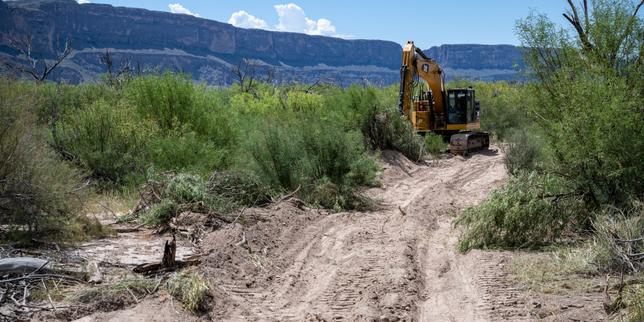
Bulldozers ripping through fragile desert ecosystems and pushing right up against pristine federal parkland don't usually get a free pass, but that hasn't stopped the federal government from trying. A federal court in Texas just threw a wrench into the Trump administration's aggressive border infrastructure plans, issuing an order to temporarily halt construction in the iconic Big Bend region.
If you've been following the clash between heavy-handed federal border security and local conservation efforts, this legal move isn't entirely shocking. Environmental organizations, local communities, and lawmakers have spent months sounding the alarm over the $1.7 billion project, arguing that rushing heavy machinery into a remote national park causes irreversible damage to unique wildlife habitats and ancient cultural sites. Recently making headlines lately: Why Albania Keeps Reaching A Boiling Point On The Streets.
The Ground Reality in West Texas
Big Bend National Park isn't just empty land. It's a rugged, biologically diverse landscape featuring the Mariscal Mountains, sweeping canyon views, and thousands of years of human history. When heavy equipment rolled in, residents and advocates didn't just complain online—they documented clear-cutting, damaged hillsides, and soil erosion right along the border corridor.
The administration tried to push forward anyway, arguing that national security needs trump local environmental reviews. But federal judges aren't just rubber-stamping emergency exemptions anymore. By stepping in to block the work, the court has forced the Department of Homeland Security to pause and justify the true ecological and legal cost of carving roads and barriers through one of America's most treasured wilderness areas. Further information regarding the matter are explored by TIME.
Why This Legal Battle Matters Right Now
Border policy is always a flashpoint, but dragging heavy construction into a protected national park crosses a line that even local Republican officials and congressional representatives have questioned. When public lands face immediate commercial and industrial alteration without proper consultation, the pushback goes beyond partisan lines.
The immediate effect of this ruling is simple: construction stops, giving advocates a temporary victory and a chance to make their case in court. But the underlying tension isn't going away. The administration wants physical barriers across every possible mile of the southern border, while local stakeholders want to ensure that protecting the nation doesn't mean destroying the very natural treasures worth protecting.
If you're tracking how environmental law intersects with federal enforcement, keep an eye on how the district court handles the permanent injunction arguments next. This fight is far from over, and the outcome will set a massive precedent for how federal projects navigate protected public lands moving forward.