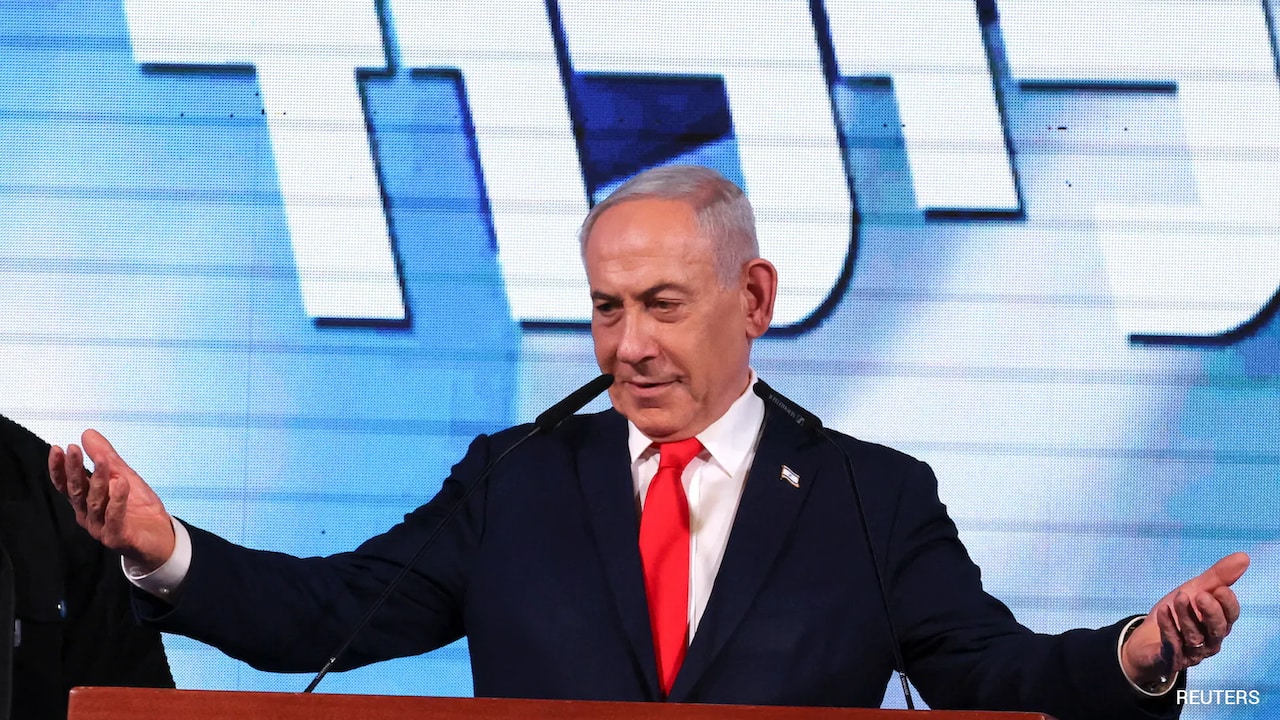
You’d think losing a parliamentary majority would spell the end for any prime minister. But in Israeli politics, mathematics rarely tells the whole story. Benjamin Netanyahu is back in the headlines, defying political gravity once again after an inconclusive election that left his right-wing bloc sitting at 53 seats—well short of the 61 needed to govern outright.
So how does a leader whose bloc lost its majority remain firmly positioned as the caretaker prime minister with a realistic path to staying in power? The answer lies in the deep, unbridgeable fractures of his opposition and a clever strategy of running out the clock.
The Opposition Numbers Are a Mirage
On paper, the anti-Netanyahu camp controls 67 seats out of 120 in the Knesset. Sounds like a slam dunk for regime change, right? Wrong.
Look closer at who makes up those 67 seats. Zionist opposition parties led by figures like Gadi Eisenkot command roughly 48 seats, while Arab-led parties hold the remaining slice. For the mainstream opposition to form a government, they would need to rely on or partner with factions that many Jewish-led Zionist parties refuse to touch.
Avigdor Lieberman and other nationalist opposition figures have repeatedly ruled out sitting with Arab-led factions. Without them, the math for an alternative coalition completely collapses. The opposition might agree that they hate Netanyahu, but they despise working with each other even more. Netanyahu knows this. He's banking on their inability to compromise.
Playing the Caretaker Card
When no single bloc can lock down 61 seats, Israel doesn't automatically plunge into chaos; it enters a caretaker phase.
As caretaker prime minister, Netanyahu retains executive power while political parties bicker. History shows that caretaker governments can drag on for months. If his rivals fail to stitch together a functional coalition during the presidential appointment window, the country faces another snap election.
Netanyahu thrives in campaign mode. Every month he stays in office as the incumbent gives him a platform to project stability, manage security crises, and rally his core base. He doesn't need to win a majority today; he just needs his opponents to fail at governing tomorrow.
Why His Base Holds Fast
Western analysts often misread Netanyahu’s domestic appeal. After years of intense turmoil—spanning judicial overhaul protests, security failures, and prolonged regional conflict—critics assumed voters would decisively abandon him.
Instead, he secured remarkably resilient backing among Jewish voters. Millions of Israelis view him as a battle-tested survivor capable of navigating hostile neighborhood dynamics, particularly regarding Iran and regional security. To his supporters, changing leadership mid-crisis feels like tossing safety gear overboard in the middle of a storm.
What Happens Next
President Isaac Herzog will task a political leader with forming a government. If the opposition tries and fails to build a minority or unity government due to ideological purity tests, the path clears for Netanyahu to weather the storm once again.
Don't count him out just because the seat counts look grim on election night. In Israeli politics, survival isn't about winning a landslide; it's outlasting your enemies' ability to organize.
Watch the coalition talks stall, expect fierce political maneuvering, and prepare for the distinct possibility of another trip to the ballot box.
Israeli Prime Minister Benjamin Netanyahu's political survival
This video explores the complex coalition dynamics and the historic voter turnout that shaped Israel's recent election deadlock.