Israelis are heading to the ballot boxes under the heavy shadow of three years of relentless conflict. Voters face a stark choice on Tuesday, October 27, 2026, in what is arguably the most polarized general election in the nation's modern history. Benjamin Netanyahu, Israel's longest-serving prime minister, is fighting for his political survival. He needs a miracle, or at least a massive conversion of battlefield momentum into ballots.
The core question driving this election isn't complicated. Can Netanyahu successfully convince a war-fatigued public that his aggressive military campaigns against Hamas, Hezbollah, and Iran outweigh the catastrophic intelligence failures of October 7, 2023? Opinion polls suggest a dead heat, with Gadi Eisenkot’s Yashar party nipping at the heels of Likud. Neither side is projected to secure the coveted 61-seat majority in the 120-member Knesset easily, leaving the country staring down the barrel of yet another messy coalition math problem.
The Challenger With a Military Rap Sheet
Gadi Eisenkot isn't your average left-wing politician. As a former chief of the Israel Defense Forces who served from 2015 to 2019, he speaks the language of security fluently. He didn't come up through student unions or diplomatic corps; he came up through the general staff. After briefly joining the wartime government following the October 7 attacks, Eisenkot jumped ship in June 2024 because he believed political survival was hijacking military strategy.
His new party, Yashar, is surging in recent polls, capturing roughly 22 to 23 seats compared to Likud’s projected 19 to 21. Eisenkot doesn't run to the left of Netanyahu on defense. He runs to his right and attacks him on competence. His argument is simple. Netanyahu talks tough, but his administration failed to prevent the worst security breach in Israeli history. For voters tired of endless escalations without a durable exit strategy, Eisenkot offers military pedigree without the baggage of ongoing criminal trials and domestic polarization.
The Iran Factor and the Limits of Air Power
Security is Netanyahu's favorite playground, but it's also where his record faces the harshest scrutiny. The military strikes against Iran earlier this year—targeting nuclear and military infrastructure before a ceasefire mediated by Pakistan in June—form the centerpiece of his re-election pitch. He wants you to believe he neutralized an existential threat.
Critics and defense analysts point out a glaring flaw in that narrative. Military strikes buy time, but they don't erase an adversary's capacity to rebuild. Iran still holds the cards for asymmetric retaliation, and the Strait of Hormuz remains a flashpoint.
Reports that Netanyahu pushed for a major offensive against Iran right before the US midterm elections—allegedly squashed by Donald Trump—highlight a deeper vulnerability. Israel depends heavily on American diplomatic cover and military logistics. When Washington's domestic calendar clashes with Jerusalem's military ambitions, Netanyahu's room to maneuver shrinks fast.
Donald Trump and the Endorsement Game
Donald Trump gave Netanyahu a massive public boost on October 18, praising his strength and warning that a weaker leader would leave Washington to deal with Tehran alone. Netanyahu has plastered that endorsement across campaign materials. It feeds right into his primary brand: the indispensable statesman who commands respect in Washington.
Yet, relying on an American president's blessing has its limits. Trump's endorsement plays well with conservative and nationalist voters who prioritize unyielding defense posture. It doesn't fix the domestic fractures over ultra-Orthodox military service exemptions or put food on the table for families battered by high living costs.
What Actually Matters When You Cast the Ballot
If you are watching Israeli politics from the outside, it's easy to view this through a simplistic hawk-versus-dove lens. Toss that frame away. This election is a referendum on accountability, institutional trust, and the true cost of permanent war.
Netanyahu faces bribery, fraud, and breach of trust trials alongside an International Criminal Court arrest warrant. His push for a pardon in late 2025 shows a leader acutely aware of his legal vulnerabilities. Meanwhile, domestic fault lines are tearing coalitions apart. The Supreme Court's ruling against broad military exemptions for ultra-Orthodox men has enraged secular reservists who bear the brunt of active duty.
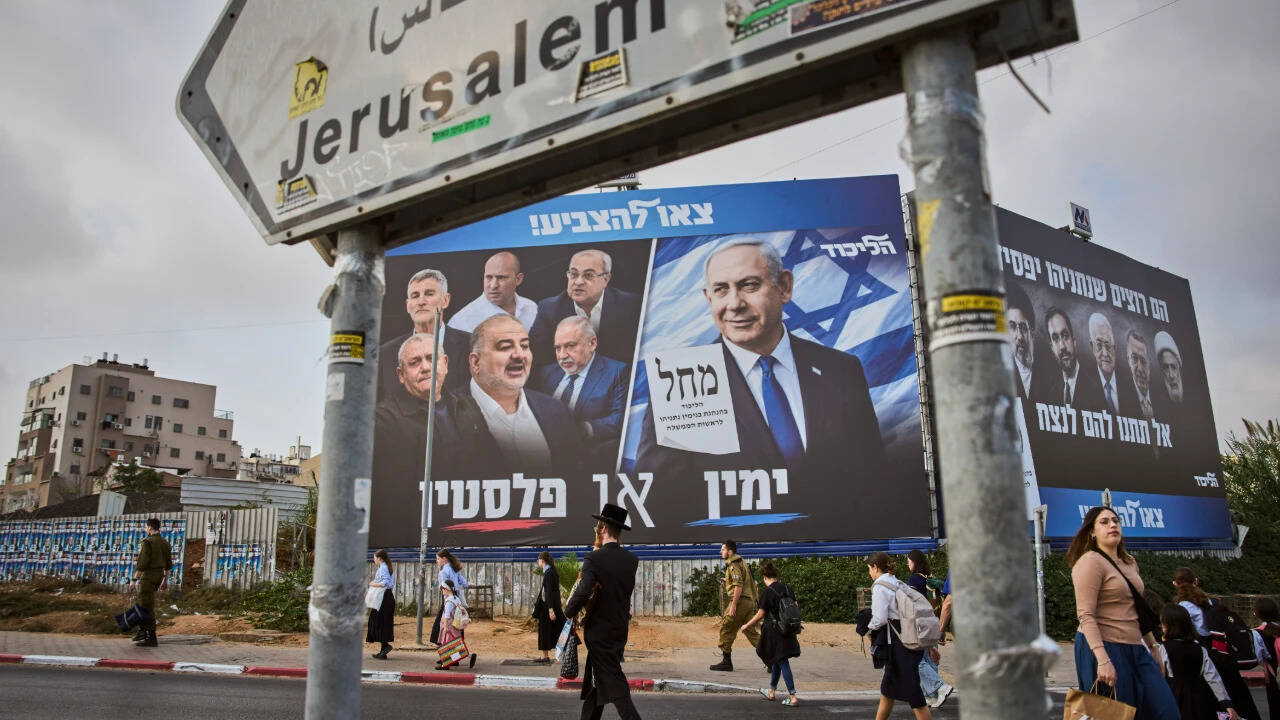
Netanyahu wants the entire conversation focused on external enemies—even dropping bizarre campaign billboards featuring foreign critics alongside regional adversaries. He wants you terrified of what happens if he loses.
The opposition wants you focused on systemic failure, judicial overreach, and the lack of a day-after strategy for Gaza and Lebanon.
Tuesday's vote won't magically solve Israel's security dilemma. It will simply determine whether the nation doubles down on Netanyahu's defiant brand of crisis leadership or rolls the dice on a former military chief promising a return to institutional accountability. Expect a nail-biter, a chaotic coalition negotiation, and zero regional calm regardless of who wins.