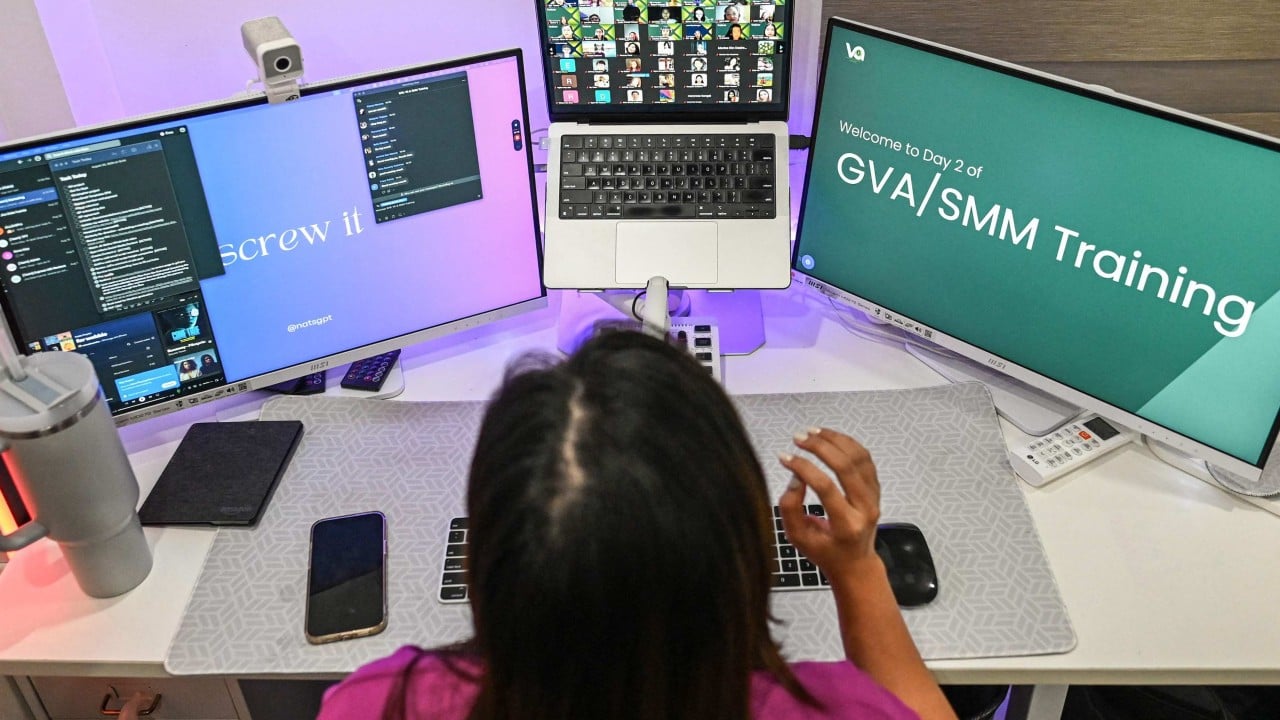
For generations, the ultimate badge of honor for any Filipino household was simple: you send your child to medical school, they become a doctor, and the family’s financial future is secured. It was the gold standard of ambition. But global workforce data tells a completely different story now. Recent findings from Remitly show that becoming a virtual assistant has officially overtaken the medical profession as the top dream job for Filipinos.
Think about that for a second. Years of grueling medical school, late-night residency rotations, and crushing student debt are losing ground to remote administrative work managed from a home desk. Why? Because the modern economy rewards flexibility, foreign currency earnings, and lifestyle design over traditional prestige.
The Reality Behind the Remote Work Shift
When you look at why remote administrative roles have surged in popularity, you have to look at simple economics. Earning in US dollars or Australian dollars while living in a province with a lower cost of living changes your financial reality overnight. You skip the soul-crushing Manila traffic. You avoid office politics. You cut out hours of daily commuting that burn away your free time.
A global study highlighting this shift points to a broader trend across the Philippines. Prized for strong English proficiency and adaptability, Filipino remote workers make up a massive chunk of the global support market. It is not just about typing emails or scheduling meetings anymore. Many roles demand specialized skills in digital marketing, bookkeeping, graphic design, and software management.
Yet, treating virtual assistance as an effortless escape route is a trap. People often assume you just need a laptop and a stable internet connection to make six figures. That is far from the truth.
The Hidden Pressures of Digital Freelancing
If you talk to independent contractors who have been in the trenches for years, you will hear a different narrative. Stability is rare. You don't get paid time off unless you negotiate for it. You handle your own taxes, your own health insurance, and your own equipment upgrades. One day you have three happy clients, and the next day economic shifts in Western markets cause budget cuts that leave you scrambling for work.
Compare that to traditional professions. A doctor has institutional backing, predictable career tracks, and deep-rooted societal respect. Sure, the medical system in the Philippines faces immense challenges, from low local pay scales to grueling hours in underfunded public hospitals, which heavily fuels the desire to look elsewhere. But being a remote worker comes with its own brand of isolation. Working night shifts to match US or European time zones ruins sleep schedules. Burnout looks different behind a screen, but it hurts just as much.
What Employers and Workers Need to Learn From This Data
This massive pivot in career aspirations sends a loud message. Traditional corporate and local employment structures in developing nations are failing to meet the needs of a workforce that values autonomy. When administrative freelancing outranks healing the sick in terms of aspirational appeal, local institutions have to rethink how they compensate and treat their professionals.
If you are eyeing a transition into remote digital careers, do not expect an easy ride. Build actual, high-income skills. Master project management tools, learn basic data analytics, or dive into specialized tech stacks. Treat your freelance work like a business from day one, because nobody else is going to manage your risk.
The traditional dream of the white coat is fading for a reason. Freedom speaks louder than prestige.