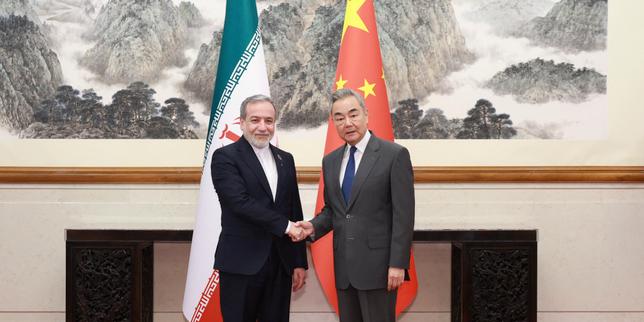
International diplomacy loves a clean narrative. We like to think countries are either entirely at war or cleanly trading partners, with no grey areas in between. Reality is messier. Right now, Beijing plays a crucial role in keeping Tehran's military machinery running, all while maintaining plausible deniability on the global stage.
If you look at official statements from Beijing, you see standard diplomatic boilerplate. They call for regional stability. They reject unilateral sanctions. They talk about peace. Behind closed doors and supply chains, the picture tells a different story. China acts as a silent anchor for Iran, offering economic breathing room and industrial lifelines that directly feed the country's strategic ambitions.
The Power of Dual-Use Technologies
Military strength today rarely comes from obvious arms shipments alone. It lives in the gray zone of dual-use components. Think microelectronics, specialized chemicals, and advanced guidance systems. These items have civilian applications, which makes tracking and banning them a nightmare for Western regulators.
Reports from international trade watchers and intelligence agencies highlight how Iranian procurement networks lean heavily on Chinese commercial channels. Instead of selling finished missiles, intermediaries funnel the raw materials, circuit boards, and machinery needed to build them locally. This setup gives Beijing a convenient shield. If Western capitals complain, officials shrug and point to commercial trade statistics.
Why Beijing Keeps the Oil Flowing
Energy remains the lifeblood of this relationship. Iran sells massive amounts of crude oil to independent Chinese refiners—often referred to in the market as the "teapot" refineries. These smaller operators bypass major international financial systems, paying in currencies that evade Western tracking or utilizing complex barter arrangements.
This arrangement serves a dual purpose for Beijing. First, it locks in heavily discounted energy supplies, insulating China's economy from global oil shocks. Second, it generates the cash flow Tehran needs to fund its domestic military programs and regional proxies. Without Chinese refineries absorbing this sanctioned petroleum, Iran’s state budget would face immediate collapse.
Playing the Long Game in the Middle East
Beijing isn't doing this out of pure charity. Foreign policy in Asia's biggest economy is transactional and deeply strategic. By keeping Iran afloat, China maintains a persistent thorn in the side of Washington and its allies in the Middle East. It ties down Western naval assets, diplomatic bandwidth, and intelligence resources.
At the same time, Beijing avoids the heavy costs of direct military intervention. They don't station troops in Tehran or launch airstrikes. They let local actors absorb the kinetic risks while reaping the geopolitical benefits of a multipolar world order.
What Comes Next for Global Supply Chains
Western governments face a mounting headache. Sanctions lose their bite when a global superpower is willing to look the other way—or actively assist—in routing around them. Policymakers in Washington and Brussels are currently debating tougher secondary sanctions on Chinese firms involved in these supply chains.
Expect harsher compliance checks on international shipping and tighter controls on electronic exports. Yet, as long as the economic incentives remain high, alternative trade routes will adapt. The hidden partnership between Beijing and Tehran shows no signs of cracking under pressure.
Watch the secondary sanctions announcements closely over the coming months. They will dictate how far Beijing is willing to push its economic defiance.