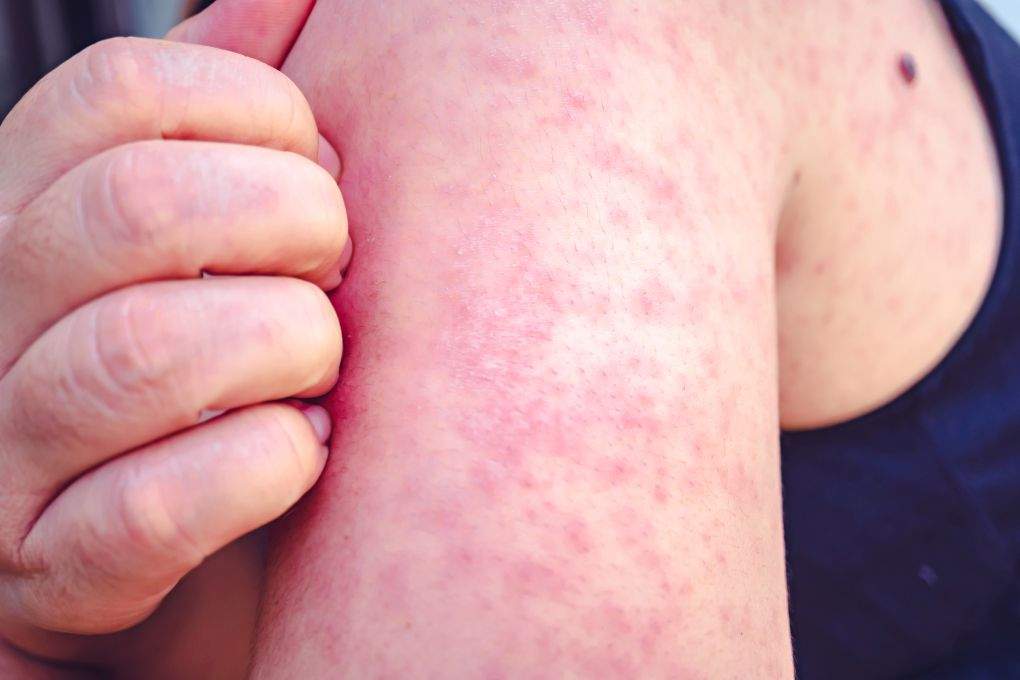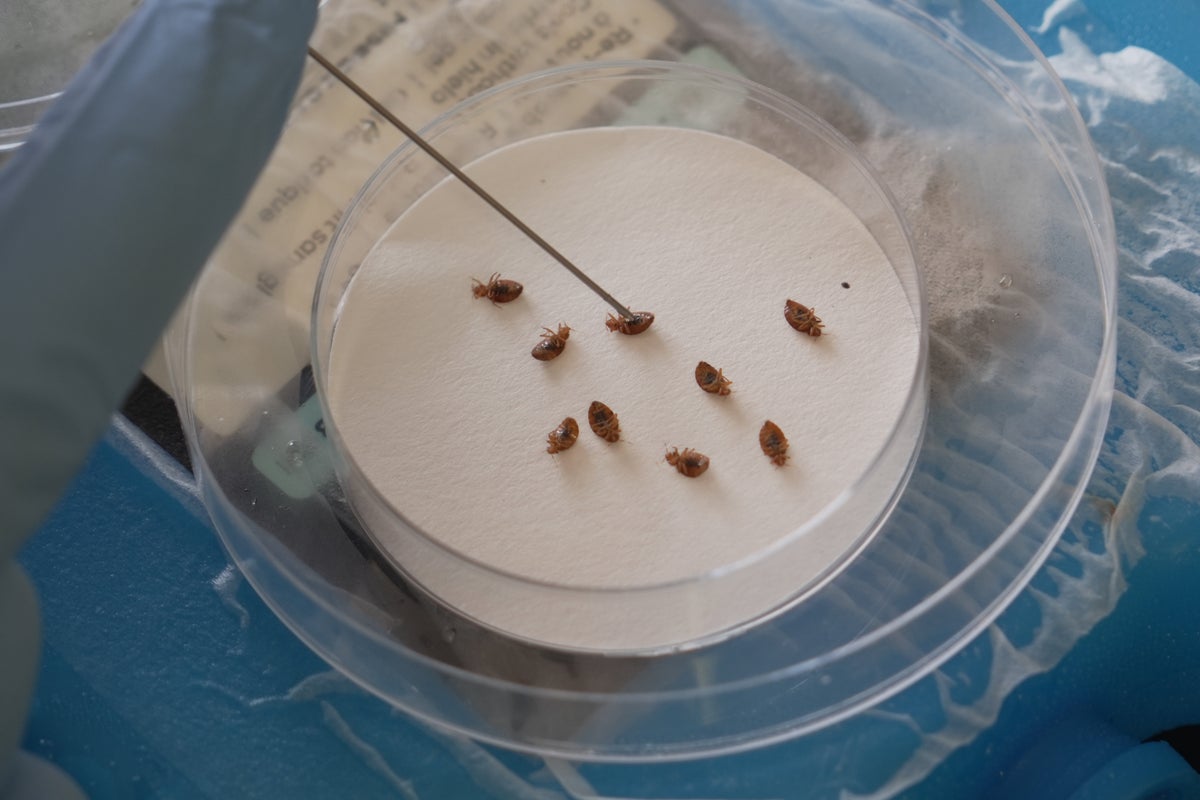
Bedbug infestations are on the rise globally, and recent scientific findings suggest these resilient parasites pose a much graver threat to human health than traditional wisdom admits. If you think they are just a minor nuisance causing itchy red welts, you need to update your understanding. Recent data points and laboratory breakthroughs show that these blood-sucking insects are evolving, spreading faster during warmer months, and potentially vectoring dangerous drug-resistant superbugs.
The Reality Behind the Resurgence
For decades, public health messaging treated bedbugs primarily as a psychological burden and an unpleasant household pest. That view is shifting. Entomologists point out that modern bedbug populations have developed robust resistance to standard over-the-counter insecticides. Decades ago, chemical bans like the restrictions placed on DDT, combined with the bugs' natural evolutionary adaptability, created a generation of pests that shrug off first-line treatments.
Cities experience seasonal peaks during warmer months, but public transit systems, cinemas, and hotels regularly report active issues year-round. Iconic outbreaks in cities like Paris ahead of global events and recurring municipal transit shutdowns in New York prove that modern mobility allows these insects to travel effortlessly across borders and neighborhoods.
The Hidden Danger of Pathogen Transmission
For generations, medical consensus held that bedbugs do not transmit infectious diseases. Their internal anatomy and digestive processes supposedly blocked pathogen transfer.
A study from University of South Dakota researchers challenged that comforting assumption. Using artificial skin and blood capsules, researchers demonstrated that common bedbugs (Cimex lectularius) can acquire methicillin-resistant Staphylococcus aureus—better known as MRSA—during a single feeding session and successfully transmit it during a subsequent meal.
While field confirmation is still evolving, experts like Purdue University's Jose Pietri note that this discovery fundamentally alters how public health officials must view bedbugs. They are no longer just skin-irritating vampires; they are potential mechanical vectors for antibiotic-resistant bacteria.
Severe infestations also exact a heavy physical and psychological toll. Extreme cases, such as a documented medical report out of France involving an elderly man who suffered severe anemia and dementia complications while thousands of bugs fed on him, highlight the dangers of unmanaged populations. Furthermore, chronic exposure triggers severe anxiety, loss of sleep, and clinical depression for affected residents.
Recognizing the Signs Before It Is Too Late
Many people show zero physical reaction to bedbug bites. If your immune system does not react, you will not develop the characteristic itchy red welts. This absence of symptoms creates a dangerous blind spot, allowing an invisible colony to multiply unchecked for months.
To catch an infestation early, skip looking only for bites and search for physical evidence:
- Live or dead insects: Reddish-brown pests about the size of an apple seed hiding in mattress seams and box springs.
- Fecal spots: Tiny, dark rust-colored drops or smears left on sheets or wood framing after digestion.
- Exoskeletons: Piles of translucent shed skins left behind as the bugs grow through their life stages.
Practical Prevention and Eradication Strategies
If you want to protect your home, prevention remains your strongest defense. Never place luggage directly on hotel beds or carpeted floors. Utilize large plastic bins or keep bags elevated in the bathroom or on luggage racks during travel. When returning home, unpack outdoors immediately and run travel clothing through a high-heat dryer cycle.
When buying secondhand furniture, inspect every crevice with a flashlight and treat items with heat or professional steam before bringing them inside your living space.
If you discover an active infestation, avoid panicking or throwing away expensive furniture haphazardly, as moving items often spreads the bugs further through your home. Random chemical bombs from hardware stores rarely work due to pesticide resistance. Instead, look into integrated pest management solutions, which combine targeted thermal heat treatments, physical mattress encasements, professional-grade vacuums, and specialized silica dust formulations that dehydrate the insects.
Hire licensed professional exterminators who specialize in resistant strains. Address the problem early, keep your living areas uncluttered, and refuse to let these resilient pests compromise your health or your home.