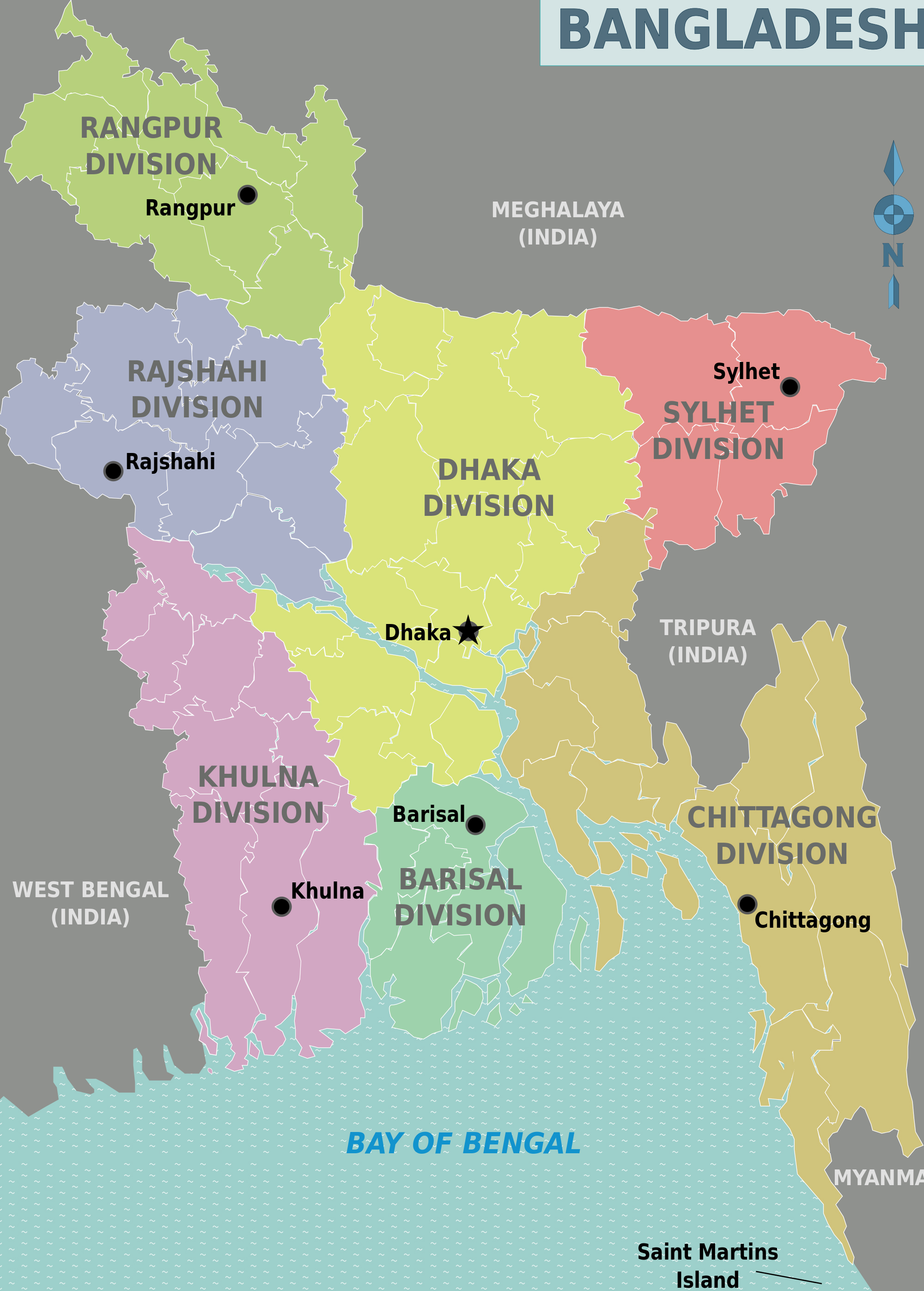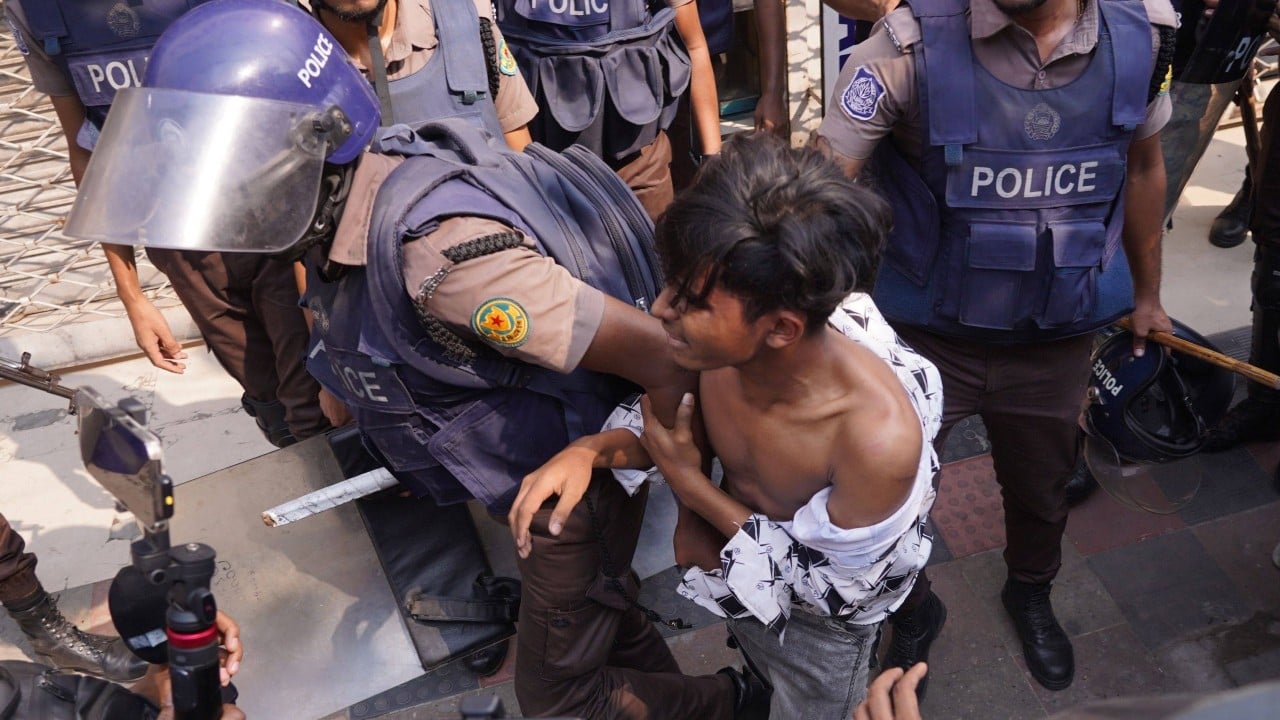
Thousands of garment workers are flooding the streets of industrial hubs like Dhaka and Gazipur, blocking major highways, and facing off against police tear gas. The core issue isn't complicated. People simply cannot survive on current wages while the cost of daily life spirals out of control.
If you look at the economics powering global retail, the current crisis reveals an uncomfortable truth. The modern apparel supply chain has squeezed workers to the absolute breaking point.
The Breaking Point Behind the Fast Fashion Machine
Workers are demanding a minimum monthly wage of 30,000 taka (roughly $241–$245 USD). That figure is more than double the current baseline of about 12,500 to 13,000 taka. When you factor in soaring inflation hitting food, cooking gas, and electricity bills, the math behind the current baseline simply fails.
You cannot expect millions of people to sew clothes for international brands while watching their families sink deeper into debt every single month.
Factory owners argue they are caught in a vise. They face stagnant retail prices from global brands, shrinking order volumes, and high costs for imported raw materials. Energy market instability and production expenses compound the pressure. Yet passing the buck down to the factory floor means workers bear the cost of corporate profit margins.
Beyond the Wage Board Announcement
The government has formed a six-member minimum wage board to review the compensation structure. But protests didn't stop when that news dropped.
Why? Because workers have seen wage boards stall out or deliver incremental pennies while inflation eats away purchasing power instantly. Labor advocates point out that structural grievances go far beyond a simple committee appointment. When trust between labor, factory owners, and state authorities breaks down completely, administrative announcements feel like stalling tactics.
Confrontations in manufacturing centers like Ashulia and Mirpur turned volatile as security forces deployed baton charges, stun grenades, and tear gas. Vandalism and road blockades brought hundreds of factories to a temporary halt. Prime Minister Tarique Rahman held emergency cabinet meetings stressing the need to protect export channels, while security officials warned of strict crackdowns on unrest.
What This Means for Global Supply Chains
Bangladesh stands as the second-largest garment exporter globally, right behind China. Over 80 percent of the nation's total export earnings rely on this single sector, employing roughly four million people—the majority of whom are women.
When the garment engine stutters, international fashion brands feel the shockwaves. Major labels sourcing from these factories face immediate risks of delivery delays, inventory shortages, and severe reputational damage. Consumers buying cheap apparel rarely think about the human cost embedded in every seam.
Fixing this crisis requires more than temporary police intervention or delayed committee reviews. Global brands must take financial accountability, adjusting what they pay suppliers so that living wages become a baseline standard rather than an afterthought. Until international buyers and local manufacturers restructure their models around human dignity, the streets of industrial Bangladesh will remain volatile.