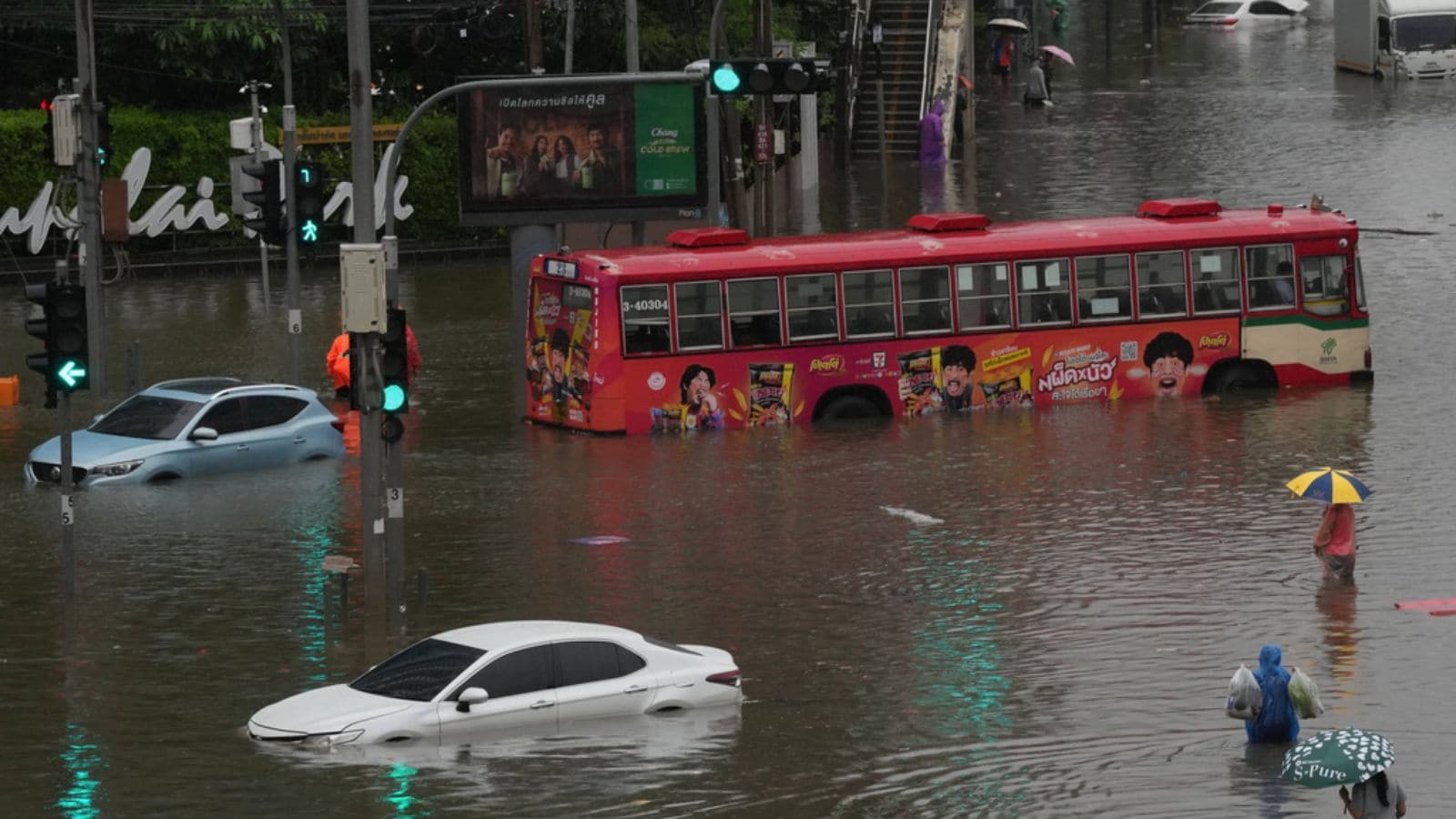
Nearly 300 millimeters of rain dropped on Thailand's capital in under 48 hours, turning major thoroughfares into rivers and forcing a disaster declaration across all 50 districts of Bangkok. If you've ever tried navigating the sprawling Thai metropolis during a typical monsoon downpour, you know it handles heavy water reasonably well. But this wasn't normal. The sheer volume overwhelmed drainage systems, flooded homes, and left cars stranded on roads like Vibhavadi Rangsit and Lat Krabang.
When water levels jump to waist-height in residential alleys and convenience store shelves empty out by lunchtime, normal routines vanish instantly. Let's look at what actually happened during this severe weather event, why the drainage infrastructure hit its absolute limit, and what travelers and residents need to know right now.
The Breaking Point Across All 50 Districts
Bangkok Governor Chadchart Sittipunt didn't hesitate when the data came in. With nearly 300 mm of rain pounding the city since Thursday afternoon, the Bangkok Metropolitan Administration expanded disaster zones from a few eastern districts to cover every single one of the capital's 50 administrative zones.
Why did this specific storm cause such widespread chaos?
- Canal Capacities: Bangkok's intricate network of canals, historically used to manage water flows, simply filled to the brim. When canals overflow, the water has nowhere to go except into streets, ground-floor shops, and low-lying homes.
- Geography and Elevation: Built largely on former marshland sitting roughly 1.5 meters above sea level, the city relies heavily on massive pumping stations operating at full capacity—pushing upwards of 1,200 cubic metres per second—to push water out to the Gulf of Thailand.
- Relentless Timing: Unlike storms that pass in a few hours, this system lingered, fueled by an active low-pressure cell moving along a monsoon trough combined with a strengthening southwest monsoon.
Prime Minister Anutin Charnvirakul even cut short a trip to London to fly back and manage the unfolding crisis as nationwide figures showed over 84,000 people across 21 provinces affected by the deluge.
Navigating the Transport Gridlock and Airport Travel
If you're wondering how people got around, the honest answer is they didn't. Major roads transformed into aquatic obstacle courses. Motorists abandoned vehicles mid-street after engines flooded, while commuters waded through murky water or pushed motorcycles through districts like Bang Bua and Suan Luang.
For travelers trying to catch flights at Suvarnabhumi or Don Mueang airports, the Civil Aviation Authority of Thailand issued urgent advisories. Taxis and buses got stuck in massive bottlenecks on arterial roads, prompting authorities to urge passengers to build an extra two to three hours into transit schedules and rely on rail-based transport instead of road vehicles. Airlines like AirAsia, Nok Air, and Thai Lion Air scrambled to offer flexible travel credits and rebooking options for those caught in the disruption.
Practical Steps If You Are on the Ground Right Now
If you're currently in Bangkok or planning immediate travel to the region, don't rely on standard assumptions about city drainage. Take these concrete steps to stay safe:
- Avoid Low-Lying Streets: Stay away from notorious flood-prone zones, especially areas near major canals and roads like Sukhumvit 63, Ramkhamhaeng, and Lat Krabang. Small cars and sedans stand zero chance against rising water waves generated by larger trucks.
- Monitor Official Updates: Keep an eye on alerts from the Thai Meteorological Department and local transit authorities rather than relying on outdated social media clips.
- Secure Essential Supplies: While officials have stressed that food shortages aren't expected and million-sandbag distributions are underway, grocery stores in hard-hit neighbourhoods have faced temporary runs on basic goods. Stock up on drinking water and dry goods if you live in a vulnerable spot.
- Plan Alternative Commutes: With schools closed and some government offices shifting to work-from-home guidelines, expect lingering disruptions on public transit and give yourself plenty of extra time if you must step outside.
The water is expected to recede within a couple of days if the heavy rains finally stop, but the clean-up for thousands of residents whose ground floors were submerged will take much longer.
Thailand Capital Declares Disaster Zone, Cars & Shops Submerged
This video provides a direct look at the flooded streets, stranded vehicles, and emergency response efforts across Bangkok during the height of the disaster declaration.
http://googleusercontent.com/youtube_content/1