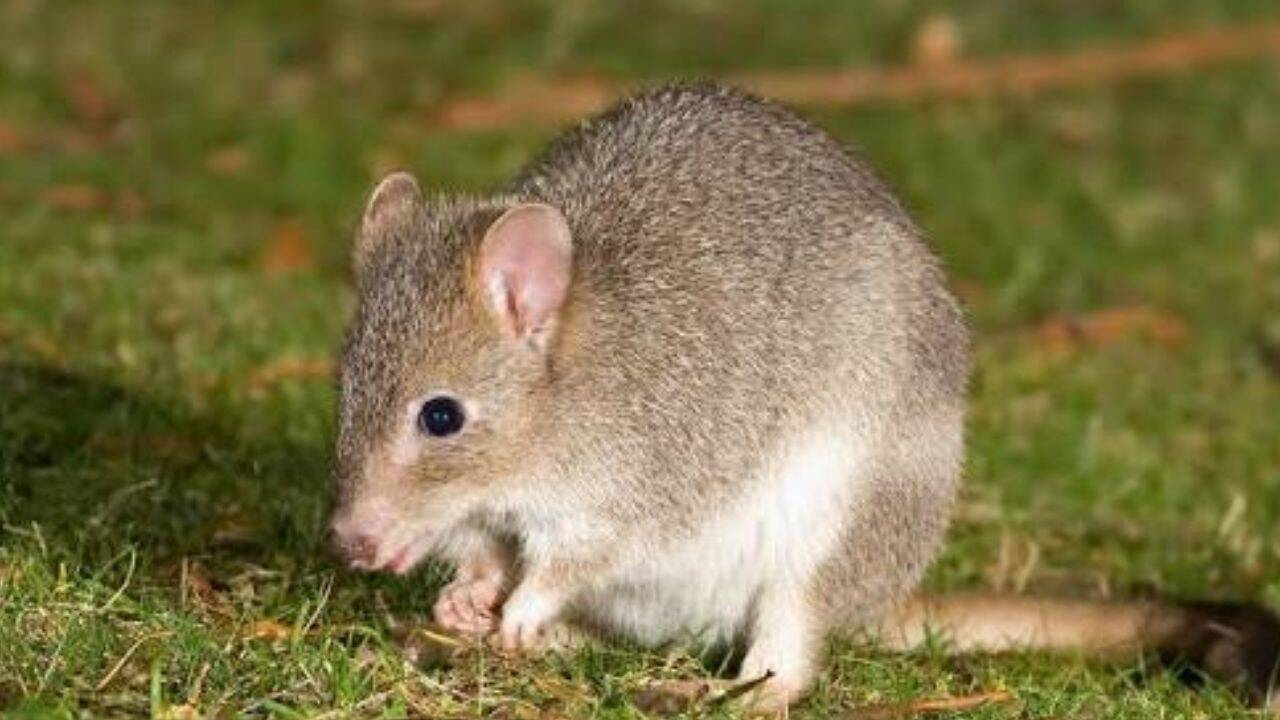
Seventeen rufous bettongs just stepped into a new life on Australia's mid-north coast, and they carry a massive weight on their shoulders. Or rather, in their paws.
These nocturnal marsupials aren't just cute additions to the local fauna. They're heavy-duty ecosystem engineers. The recent release into the feral predator-free zone at Ngambaa Nature Reserve marks a major milestone for Australian wildlife conservation, bringing back a native species that has faced steep declines due to invasive predators like foxes and feral cats.
If you think conservation is just about putting fences around cute animals, you're missing the entire point. It's about restoring physical processes that modern landscapes have lost. And that's where the bettong comes in.
Why Bettongs Matter More Than You Think
You've probably heard of koalas and kangaroos, but bettongs are the real MVPs of the forest floor. A single bettong can dig up hundreds of mines per night, turning over tons of topsoil every year.
This constant churning isn't random wandering. It's a vital ecological service. By breaking up compacted soil, bettongs allow rainwater to soak deep into the earth rather than running off the surface. They bury seeds, spread beneficial fungi, and cycle nutrients back into the soil matrix. Without them, forests slowly suffocate under a layer of undisturbed, dry leaf litter.
David Kelly, the manager of threatened species for the NSW National Parks and Wildlife Service, points out that bringing these animals back helps re-introduce critical ecosystem engineers to a landscape that desperately needs them. It's not sentimentality; it's mechanical repair for a broken environment.
The Journey From Barrington Tops to Ngambaa
Getting these 17 bettongs—consisting of 10 males and 7 females—into the wild wasn't a casual drop-off. They came from Aussie Ark's Barrington Tops facility, specifically from their 400-hectare feral-proof Barrington Wildlife Sanctuary.
Before hitting the wild, animals bred in captivity need a crash course in survival. They have to learn how to forage, avoid danger, and adapt to natural threats. Aussie Ark, alongside the University of Newcastle and the NSW National Parks and Wildlife Service, spent years planning this exact transition.
Ngambaa Nature Reserve is part of an ambitious network of ten feral predator-free area sites across New South Wales, spanning over 60,000 hectares. These secure zones are designed to shield vulnerable native species while setting the stage for long-term re-introductions. Interestingly, the rufous bettong is only the second species to return to Ngambaa, following the successful reintroduction of Parma wallabies last year.
The Logistics of Tracking 17 Tiny Marsupials
Releasing animals is only half the battle. Knowing whether they survive is where the real work begins.
Conservationists aren't just wishing these bettongs luck. Every single individual is closely tracked using remote camera traps and microchip scanners. Wildlife officers run regular health checks to ensure the translocated animals are finding food, maintaining weight, and adapting to their new home.
Plans are already underway to release another 13 bettongs over the next 18 months, bringing the total founding population at Ngambaa to roughly 30. That number is carefully calculated to build a genetically diverse, self-sustaining population that can eventually expand beyond the fenced boundaries.
What This Means for Australia's Extinction Crisis
Australia holds a grim global title for mammal extinctions. Feral cats and foxes have wreaked havoc across the continent for generations, wiping out dozens of ground-dwelling species that had no evolutionary defense against fast-moving mammalian hunters.
Feral-proof fencing is currently the only reliable defense against this wave of extinction. By carving out secure sanctuaries, conservationists are creating ark-like environments where native species can catch their breath and rebuild their numbers.
If projects like the Ngambaa release succeed, they offer a blueprint for large-scale ecological restoration across other vulnerable regions. You can't fence off the entire country, but you can secure key strongholds and let the native wildlife do the heavy lifting of healing the land.
Set up support for local conservation initiatives or follow regional wildlife updates if you want to track how these feral-free sanctuaries perform over the coming year.