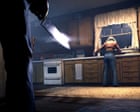
Australia's classification system has struck again. This time, it's IllFonic's asymmetrical multiplayer horror title, Halloween: The Game, taking the hit. You'd think a game featuring Michael Myers hacking up helpless victims would run into trouble over sheer brutality. You'd be wrong.
The Australian Classification Board refused to grant the game a rating, effectively banning its sale across Australia and New Zealand. The culprit isn't the graphic violence or the iconic slasher terror. It's a gameplay mechanic involving marijuana.
According to reports surrounding the game's mechanics, survivors can smoke weed to temporarily gain a functional buff, allowing them to spot Michael Myers' location on the map. Under local guidelines, that crosses a strict regulatory line.
The Absurdity of Incentivized Drugs
Let's look at why this happens. Australia's National Classification Code permits plenty of dark content under the R18+ tier, including heavy violence and explicit themes. Substance use isn't even banned outright. Characters can smoke or drink on screen without triggering an automatic ban.
The catch lies in the word "incentive."
If an illegal drug gives a player a direct gameplay advantage, reward, or buff, the rules mandate a Refused Classification outcome. Healing items, stamina boosts, or situational awareness tools tied to cannabis trigger an instant regulatory wall.
It creates a bizarre double standard. You can butcher teenagers as a masked psychopath all day long, and the board will happily slap an R18+ sticker on it. Let a survivor hit a joint to see where the killer is coming from, and the entire project gets locked out of the commercial market.
A History of Regional Censorship
This isn't a new dance. Over the years, the Classification Board has tangled with numerous major titles over similar drug mechanics. Games like State of Decay, Wasteland 3, and Saints Row IV all hit initial roadblocks due to incentivized substance use. Most of those developers eventually altered code or patched specific assets to secure a compliant rating for local storefronts.
IllFonic announced that the ruling means physical and digital versions will not launch in Australia and New Zealand. Lumping New Zealand into the decision sparked fresh frustration, given that NZ operates entirely separate sovereign classification standards.
Industry experts and academics point out that these rigid rules strain public trust. When real-world logic dictates that simulated murder is somehow more digestible than a fictional joint providing a minor survival perk, community confidence takes a hit.
What Happens Next
If you're an Australian gamer hyped for the asymmetrical horror experience, it's not a total loss. Global digital storefronts and alternative PC distribution channels often operate outside strict regional retail bans. Yet, the friction remains annoying.
Developers face an immediate choice. They can pull the weed asset, rework the survivor mechanic, or skip the local market entirely. Until regulatory guidelines modernize to match contemporary media standards, horror games will keep tripping over arbitrary lines.
Check regional platform settings or look for publisher patches if you plan to track down the game at launch.
The Game BANNED in Australia & New Zealand! (NEW UPDATE)
This video breaks down the immediate reactions and regulatory statements surrounding the unexpected ban of IllFonic's horror title in the region.