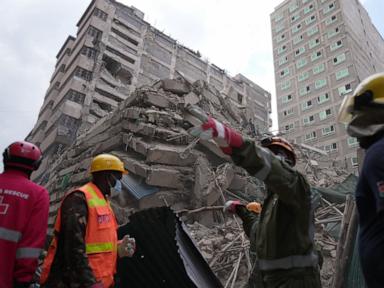
Six lives vanished in a matter of seconds when a sudden blast leveled an apartment building in the historic Plaka district of Athens. Right under the shadow of the Acropolis, a quiet Friday morning turned into an absolute nightmare.
Rescue teams spent hours clawing through unstable concrete and twisted metal on Lysikratous Street. By the time the grim search concluded, six bodies were pulled from the rubble. The victims included an elderly Greek couple living on the upper floor and four American tourists staying in a short-term rental unit on the first floor. Three others in neighboring properties sustained injuries from flying debris and shockwaves.
Now, Greek authorities are left scrambling for answers. How did this happen? And more importantly, could it have been prevented?
The Gas Leak Theory and Infrastructure Scrutiny
Initial findings point toward a massive natural gas leak as the primary trigger for the catastrophe. Athens Mayor Haris Doukas and emergency responders noted that the sheer force of the blast flattened the multi-story structure and severely compromised adjacent historic buildings.
Several local residents stepped forward after the blast to claim they smelled gas in the air long before the building went up. That detail changes everything. If people smelled gas, why wasn't action taken?
Gas infrastructure updates have rolled out across parts of the Greek capital over recent years, replacing older setups with modern mains. Yet, older structures in historic neighborhoods like Plaka often rely on a patchwork of aging internal lines, retrofitted appliances, and variable maintenance standards. When an infrastructure failure meets an old building, the margin for error shrinks to zero.
Short-Term Rentals Under the Microscope
The tragedy has reignited a bitter, ongoing political fight over short-term rentals in Athens.
With the first floor operating as a vacation rental carrying the four American visitors, local housing and architectural committees are raising hard questions about oversight. Traditional hotels face strict regulatory bodies, fire safety audits, and mandatory engineering inspections. Short-term rentals often operate in a grey area where municipal control is weak.
Architects and local neighborhood groups have pointed out that no one really knows who checks the gas lines, boilers, or electrical panels in transient tourist apartments. When properties change hands or get flipped into vacation stays overnight, safety protocols easily slip through the cracks. Expect heavy political pushback, tighter municipal permits, and mandatory safety compliance certifications for vacation rentals across Greece's historic centers very soon.
What Happens Next for Safety in Athens
Getting to the bottom of the Plaka disaster requires more than just blaming a faulty valve. Investigators from the Directorate for the Investigation of Arson Crimes and specialized disaster units (EMAK) are combing through every square inch of the wreckage.
Neighboring structures remain under close watch for structural integrity risks. For travelers heading to Greece, this event serves as a grim reminder to verify accommodation standards, while for locals, it highlights the heavy price of unregulated urban tourism growth.
Check your building's safety valves. Demand transparent maintenance records if you manage property. Do not wait for a tragedy to test your infrastructure.