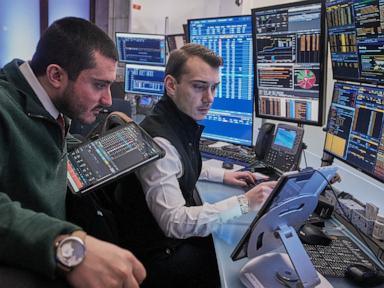
Asian markets are presenting a deeply fragmented picture as anxiety spreads over the actual financial returns of artificial intelligence. Wall Street's recent tech-heavy stumble—sparked by disappointing corporate earnings reports and massive capital expenditure worries from big spenders like Amazon and Alphabet—has officially crossed the Pacific. If you've been watching your portfolio bleed or stall, you're looking at the direct fallout of a market waking up from an unbridled growth dream.
Investors aren't just cautious anymore; they're hostile toward endless spending without immediate monetization. When tech giants post massive cash burn numbers for infrastructure that takes years to pay off, the ripple effect slams straight into the hardware heartlands of Seoul, Tokyo, and Taipei.
The Hardware Backbone Takes a Hit
Asian stock exchanges live and breathe semiconductor manufacturing. When sentiment shifts in Silicon Valley, factories in East Asia feel it instantly.
Companies like Tokyo Electron, South Korea's SK Hynix, and Taiwan Semiconductor Manufacturing Company (TSMC) have built multi-billion-dollar empires supplying the chips that power modern machine learning. But traders are starting to ask a brutal question: how long can chipmakers sustain record valuations if downstream tech firms fail to turn massive profits on their AI investments?
The answer dictated recent trading floors across the region. Heavyweights dropped sharply as market participants locked in profits and cut exposure:
- Japanese chip-testing equipment suppliers and component makers slid as local earnings loomed.
- Major South Korean memory producers absorbed heavy selling pressure following disappointing U.S. cloud provider guidance.
- Conglomerates with deep venture exposure to artificial intelligence startups faced sharp double-digit corrections.
It's a classic case of supply chain vulnerability. When the end consumer gets cold feet, the component maker catches pneumonia.
The Divergence Between Tech and Defensive Sectors
Not every sector in Asia is sinking. That's why trading remains mixed rather than entering a full-scale meltdown. While growth-oriented tech indexes take a beating, money is quietly rotating into safer, more defensive plays.
Traders are moving cash out of high-flying speculative bets and parking it in stable value stocks, utilities, and select domestic plays that don't rely on server farms or large language models to survive. I've watched this movie before during past technology bubbles. The transition is never clean. One day you see a massive relief rally driven by short-covering, and the next day a dismal earnings report triggers another wave of liquidations.
The core issue isn't that artificial intelligence is a fad. The technology is real, powerful, and permanently altering workflows. The problem is simple math. Wall Street and global investors funded a multi-year infrastructure gold rush before checking if the miners could actually sell enough gold to cover their debts.
What This Means For Your Portfolio
If you're managing an active portfolio right now, chasing dips in high-multiple chip stocks requires an iron stomach. The volatility isn't going away anytime soon.
You need to look past the daily index noise and focus on fundamentals. Companies with pristine balance sheets, reliable cash flows, and manageable capital expenditure plans are weathering this storm far better than pure-play infrastructure providers. Stop treating the entire tech sector as a monolith. Separate the hardware suppliers operating on razor-thin cyclical margins from the enterprise software players actually expanding operating margins.
Keep a close eye on upcoming corporate guidance from major international tech spenders. Until enterprise software revenue catches up with hardware outlays, Asian markets will likely keep swinging between defensive safety and tech-led panic. Plan your entries carefully, protect your capital, and don't let market panic dictate your long-term strategy.