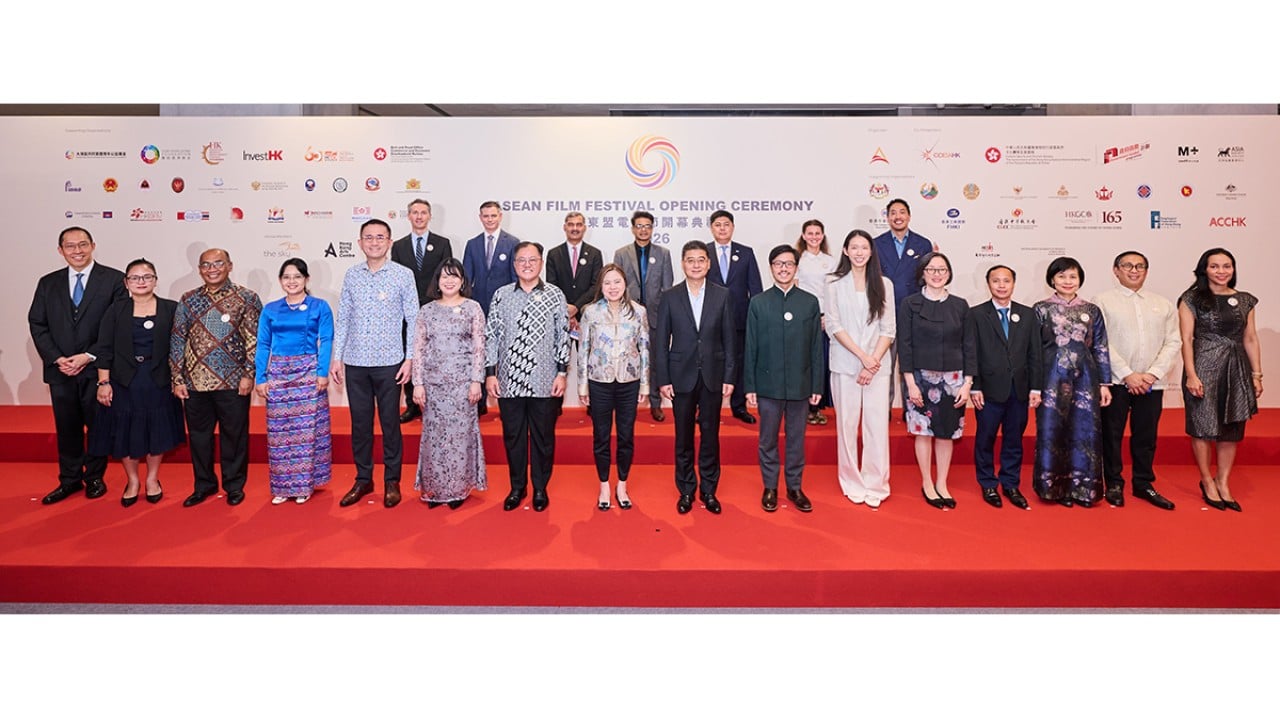
Commercial box office hits usually suck all the oxygen out of the room. You go to the theater expecting something fresh, and you get another formulaic sequel designed by committee. But look past the Hollywood blockbusters and you find an entirely different energy driving the screen. Right now, the ASEAN Film Festival is turning that dynamic on its head.
Running through September 27, this year's festival brings more than 30 films from all 11 ASEAN nations—including Timor-Leste—straight to free screenings across Hong Kong. It is easy to dismiss film festivals as stuffy networking events for people who drink cheap wine out of plastic cups. But this gathering is doing something much heavier. It is building real, functional bridges between regional creators who rarely get a shared platform.
The Sound of Regional Storytelling
Music serves as the heartbeat of the 2026 programming. Sound design does not just back up the picture; it carries the narrative weight. Directors from across Southeast Asia and South Asia use audio tracks to ground their characters in distinct cultural realities.
Take Pyae Zaw Phyo's work from Myanmar, I Wanna Be Your Lobster…, which leans hard into live-recorded musical performances and raw romance. When he brought traditional props and food to his screening, audiences did not just watch a movie—they tasted and heard a culture completely outside their daily commute.
That kind of direct contact changes how people consume art. It shifts passive viewers into active participants.
Beyond the Blockbuster Bubble
Most moviegoers stick to what is familiar. They want big budgets, recognizable stars, and predictable three-act structures. But short-form and indie cinema operate by different rules.
Filmmakers like Ananth Subramaniam from Malaysia, Whammy Alcazaren from the Philippines, and Adnan Al Rajeev from Bangladesh are using the platform to show why short narratives matter. In their home countries, finding screens for experimental or short-form work is an uphill battle. Bringing those pieces to a massive hub like Hong Kong creates instant momentum back home.
When a local short plays internationally, the home crowd suddenly pays attention. It validates the work.
Hong Kong as the Creative Switchboard
Hong Kong has spent decades figuring out how to sell its own cinematic voice to the world. Now, officials like Culture Secretary Rosanna Law and Belt and Road Commissioner Nicholas Ho Lik-chi are positioning the city as a connector for creative exchange.
It is not just empty diplomatic talk. Independent directors point out that the camaraderie built during these festivals turns into actual co-productions down the line. When a Malaysian director needs a camera operator or a post-production specialist, they pick up the phone and call someone they met over a shared screening schedule.
Local Hong Kong directors like Jill Leung Lai-yin note that watching outside perspectives actually sharpens local storytelling. You look at what makes your own city's cinematic voice unique only after you see how neighboring countries handle love, grief, and memory.
What You Should Do Next
Stop waiting for major streaming platforms to algorithmically serve you something original. If you are in Hong Kong, check the official schedule at the ASEAN Film Festival website and grab a seat for a screening you normally skip. Support the shorts, talk to the visiting directors during the sharing sessions, and watch how stories outside the mainstream challenge what you thought a movie was supposed to look like.
:max_bytes(150000):strip_icc():focal(999x0:1001x2)/billy-joel-new-single-012224-af3bdb59cc80460ea7e48e86a1f79a4c.jpg)