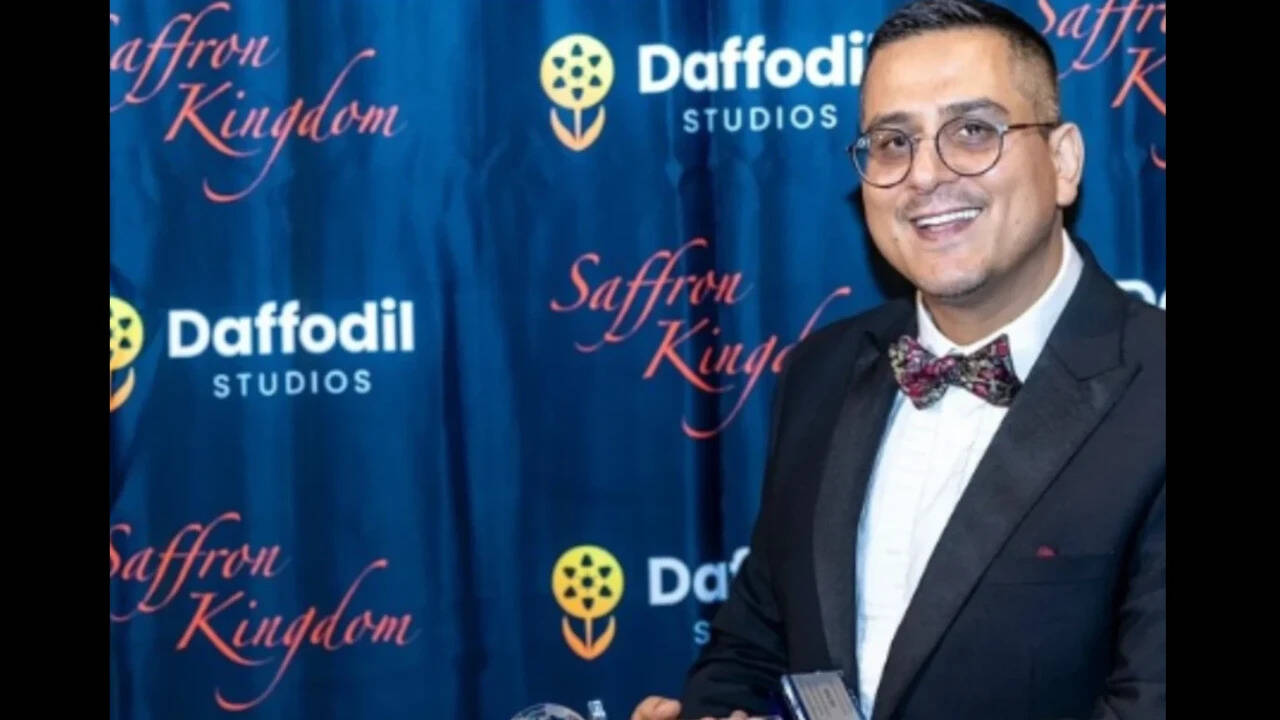
Arfat Sheikh didn't expect plainclothes officers waiting for him at Washington Dulles International Airport. He had just stepped off a flight from California when agents confronted him. He looked at filmmaker Tara Dorabji standing beside him and whispered a stark reality: "Tara, Tara, This is ICE. They have come for me."
For fourteen days, the award-winning Indian filmmaker from Kashmir sat inside an ICE detention center. His arrest on September 24 triggered global outrage, a fierce advocacy campaign, and an urgent spotlight on the fragile legal limbo trapping international students and artists in the United States. While Sheikh secured a bond and walked free from detention, his ordeal lays bare how precarious legal status can be for creative professionals navigating the system.
The Student Visa Trap and Pending Asylum
To understand how a celebrated artist ends up in immigration detention, you have to look at the paperwork. Sheikh arrived in the United States back in 2019 on a standard student visa. He headed to Georgia State University to pursue graduate studies in film, building a life and a career behind the lens.
In 2020, he applied for asylum. Under standard immigration procedures, filing an asylum application allows individuals to live and work legally while their case moves slowly through the backlog. That authorized status gives people a sense of security. They pay taxes, rent apartments, and make art.
Department of Homeland Security officials later confirmed that Sheikh entered the country legally on a valid visa. However, they argue that his original student visa status expired, and they maintain that a pending asylum application does not grant permanent legal residency. The agency insists that standard enforcement protocols apply, meaning his legal battle is far from over despite his release on bond.
When Award-Winning Art Meets Bureaucratic Walls
The timing of Sheikh's arrest shocked the independent film community. Earlier in 2024, his debut feature film Saffron Kingdom made major waves on the festival circuit. It racked up top honors including Best Feature Film at the Chicago Filmmakers Awards, the LA Film and Documentary Awards, the Melbourne Independent Film Festival, the Wake Forest Film Festival, and the Anatolian International Film Awards.
Artists like Sheikh contribute directly to the cultural fabric of Alexandria, Virginia, where he is based. Yet, the system often treats creators with complex immigration histories like administrative numbers rather than cultural contributors. When agents detained him without a visible badge or formal uniform—relying instead on plainclothes tactics—it sent a chilling message to foreign artists living and working in the country.
Advocacy groups mobilized immediately under the Free Arfat Sheikh banner. They pointed out the heavy psychological toll of sudden detention on artists whose primary focus should be storytelling, not fighting for basic freedom.
What This Means for International Creators in the US
The reality of modern US immigration is harsh. A pending asylum application offers a temporary shield, but it doesn't protect you from the shifting enforcement priorities of federal agencies. Thousands of students and artists live with this exact vulnerability every single day. They build lives, launch careers, and win awards while walking a legal tightrope.
If you're an international creator living abroad or navigating the US visa maze, stories like Sheikh's offer a brutal reminder. Standard legal protections can change overnight depending on how agencies interpret technical overstays versus pending humanitarian claims.
Sheikh's detention ended with a bond granted by a judge, allowing him to return home while his case continues through the courts. But the underlying issue remains unresolved. The system is still built to catch, detain, and process people through a bureaucratic meat grinder, regardless of what they have achieved or how integrated they are in their communities.
Keep your documentation airtight, know your legal rights if approached by federal agents, and never assume that a pending status completely shields you from enforcement actions.