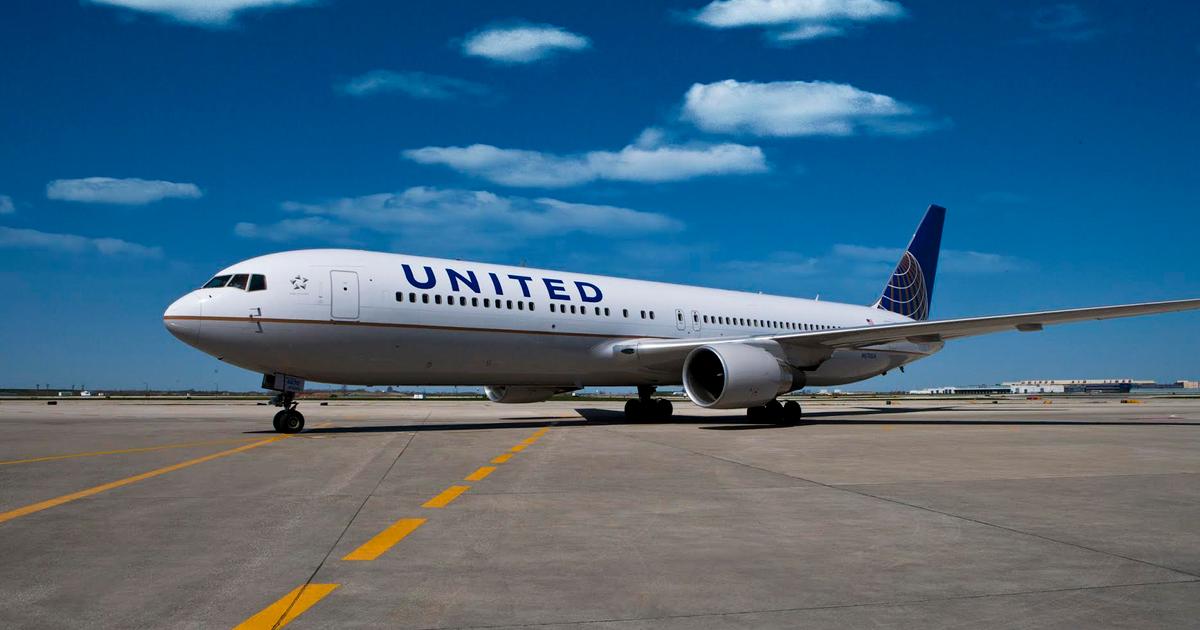
If you planned on flying United Airlines today, your day probably went sideways.
Another massive system outage hit the carrier hard, freezing departing flights at gates across the country and leaving hundreds of passengers staring helplessly at departure boards. Flight-tracking data quickly lit up with hundreds of delays, all because internal tech tools decided to stop talking to each other.
What makes this latest disruption so frustrating isn't just the stranded passengers or the missed connections. It is the terrifying frequency of these breakdowns. Coming hot on the heels of the Federal Aviation Administration's nationwide ground stop and consecutive digital failures across major banking and tech infrastructure, this United meltdown proves that modern air travel runs on fragile, duct-taped digital architecture.
Inside the United Airlines Ground Delay Chaos
The disruption specifically targeted tools required to prepare aircraft for pushback. According to internal communications shared by pilots and industry associations, multiple essential flight deck applications failed simultaneously. Most critically, the airline could not generate final aircraft weight calculations for outbound flights.
You cannot legally or safely fly a commercial jet without precise weight and balance manifests. Pilots sitting on the tarmac in Houston and Chicago were forced to ask air traffic control for permission to stay parked at the gate because their digital systems went completely dark.
Interestingly, flights already airborne managed to stay in the air, and regional United Express flights sidestepped the worst of the failure. But mainline departures ground to a complete halt while engineers scrambled to troubleshoot. Unsurprisingly, company representatives rushed to clarify that hackers weren't behind the glitch. There was no indication of a malicious cyberattack.
That reassurance actually makes things worse. A cyberattack implies a sophisticated enemy. A routine internal software crash means our critical infrastructure is simply crumbling under its own weight.
The Fragile State of Aviation Technology
We are witnessing a dangerous collision between antique infrastructure and modern digital expectations. Just days prior to this mess, an FAA telecommunications glitch—triggered by routine maintenance switching copper wires to fiber optics and a misbehaving network router—forced a rare, terrifying nationwide ground stop. Add in software meltdowns at major financial institutions and cloud providers happening in the same week, and a clear pattern emerges.
The systems moving millions of people and billions of dollars rely on ancient legacy codebases patched together with modern APIs. When a single internal server throws an error or a background database update fails, entire airline operations freeze instantly.
Airlines like United spend millions marketing slick mobile apps and touchless check-in kiosks, yet their core operational backbone remains brittle. If a pilot cannot pull weight manifests because a backend server timed out, the multi-million dollar aircraft becomes an expensive paperweight.
What You Should Do When Your Airline Melts Down
If you fly frequently, waiting around for gate agents to give you updates is a rookie mistake. Airlines deal with thousands of angry passengers simultaneously during these events, and frontline staff rarely have accurate timelines while corporate tech teams are firefighting.
Take control of your travel day immediately when a system-wide outage hits:
- Open the app and look for self-rebooking options immediately. Automated rebooking engines often clear seats faster than any customer service line can. Grab a new routing before the queue gets deep.
- Call the airline's international or premium desk. If you have elite status or can reach an international call center in a different time zone, you will bypass the massive domestic hold queues entirely.
- Track your own plane using third-party apps. Flight tracking data updates faster than airline gate displays. Knowing whether your inbound aircraft has even left its origin airport saves you hours of standing in line.
- Know your rights for meal vouchers and hotels. If the delay is controllable or caused by internal carrier technical failures, push for compensation and lodging if you get stuck overnight.
System outages like this one won't stop happening anytime soon. Until aviation giants commit to a total structural overhaul of their backend tech instead of just slapping new user interfaces on 30-year-old databases, you will remain one software glitch away from a canceled trip. Check your status before leaving for the airport, keep alternative travel apps downloaded, and never check a bag if you can avoid it.