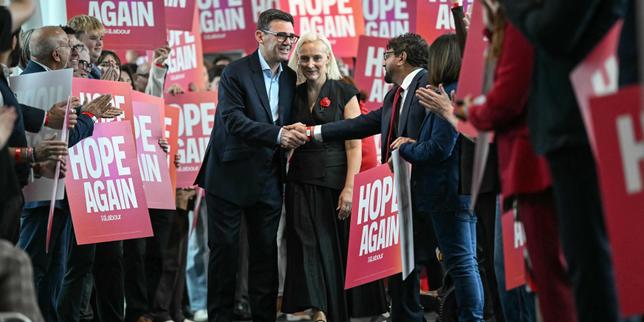
Britain is broke, and Prime Minister Andy Burnham knows it. Forget the endless chatter about early polls or parliamentary shortcuts. During the Labour Party conference in late September 2026, Burnham firmly closed the door on a snap general election, locking his sights onto 2029. He wants time, and more importantly, he wants a complete rewrite of how Westminster handles structural crises.
If you thought Westminster would slip back into comfortable habits after the turbulence of recent years, think again. Burnham used his conference spotlight to lay down markers that will define British politics for the rest of the decade. Meanwhile, you can read other events here: Why Russia And Ukraine Keep Fighting While Talking About Peace.
The End of Snap Election Speculation
For weeks, political pundits whispered about an early trip to the polls. Labour's bounce in some regional metrics had triggered feverish speculation that Downing Street might capitalize on opposition fractures. Burnham killed that rumor stone dead. In interviews, he made it clear that the next national contest happens in 2029, exactly when parliamentary rules demand it.
Why wait? Because short-term opportunism rarely solves structural failure. Burnham has been in office longer than some recent revolving-door predecessors, making him acutely conscious of the exhaustion gripping the electorate. Calling an early vote would have looked like panic wrapped in ambition. By committing to a full term, he is betting that voters prefer hard policy fixes over quick political wins. To see the bigger picture, check out the recent analysis by The Washington Post.
Tackling the Hard Realities of Social Care
The centerpiece of Burnham's vision is a massive overhaul of social care in England. It is a bold, risky gamble. He wants a universal service free at the point of use, designed to lift the weight off families dealing with chronic illness and disability.
Of course, honesty comes with a political price tag. Burnham admitted he might pay dearly for telling the truth about what it takes to fix the system. Funding a National Care Service requires difficult financial choices, and critics are already attacking the proposals. Yet, his argument is simple: the alternative is watching the entire system collapse under its own weight. He described the task as going through the pain barrier and ripping off the plaster.
Rethinking Britain’s Place in Europe
Beyond domestic services, Burnham's strategy for 2029 touches a raw nerve in British foreign policy. Ahead of an upcoming UK-EU summit, he outlined potential trajectories for future ties with Brussels. He acknowledged openly that the 2016 divorce did more harm than good, opening the conversation about closer alignment—ranging from the single market and customs union to the possibility of eventually rejoining the bloc.
This is a notable pivot from the cautious ambiguity of previous administrations. It signals that by the time 2029 rolls around, Europe will not be a taboo subject tucked away in the back rooms of Whitehall. It will be front and center in the national debate.
What Comes Next for Westminster
Burnham faces heavy weather ahead. Opposition parties from across the spectrum are sharpening their attacks, ready to paint every proposed tax adjustment as an assault on household finances. Navigating this landscape requires drowning out the constant noise of daily scandals and sticking to a long-term plan.
The battle lines for 2029 are drawn. The real test is whether bold rhetoric can survive the heavy grind of governing.