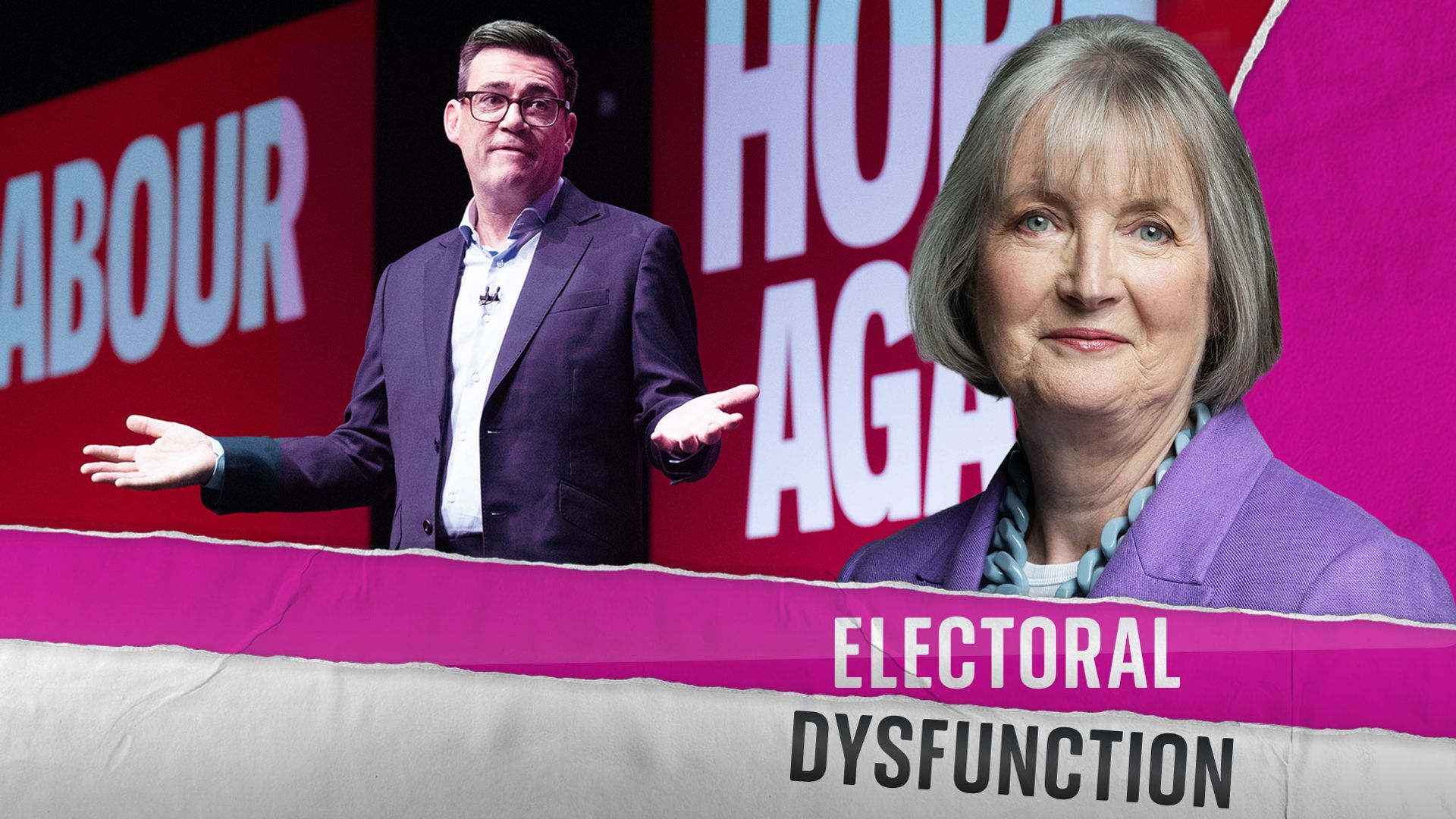
Political eras don't always shift with a dramatic explosion; sometimes they change because people simply get tired of functional coldness. When Harriet Harman noted that Andy Burnham has brought a wave of post-electoral euphoria to Labour that felt entirely absent during Sir Keir Starmer’s 2024 landslide victory, she wasn't just making a casual observation. She was diagnosing a deep, structural disconnect at the heart of modern British politics.
For years, the story of Labour under Starmer was told through the lens of clinical caution. It was transactional, risk-averse, and meticulously engineered to avoid offending middle England. It worked well enough to secure an immense majority in Parliament, but it left voters and party members cold. There was no joy in the triumph, no sense of a shared ideological adventure.
Enter the current political landscape under Prime Minister Andy Burnham, whose recent conference appearances and policy pivots have sparked a vastly different reaction. Whether you look at his plans to reform the pensions triple lock to fund a national care service, or his sharper rhetoric on closer EU alignment, the atmosphere around the party has transformed. But is this enthusiasm sustainable, or is it just the honeymoon phase of a new leadership style?
The Mechanics of Political Euphoria
Why did a landslide victory feel so underwhelming in 2024? Starmer's campaign strategy relied heavily on being the default option—the professional manager who would simply stop the chaos of the previous years. People voted for competence, not a crusade.
Burnham operates from a completely different playbook. He has long positioned himself as a regional champion willing to challenge Westminster orthodoxies, a stance that earned him fierce loyalty during his time as Greater Manchester mayor. When a senior political figure like Harman points out the contrast in mood, it highlights a fundamental truth about political communication: voters respond to emotional authenticity much faster than they respond to risk management.
Yet, this shift in mood comes with immediate political dangers. Euphoria is a volatile currency in Westminster. When you promise big structural changes—like overhauling retirement guarantees or reshaping social care—you immediately alienate core demographics who felt secure under previous arrangements.
Tackling the Hard Choices
Real political transformation requires stepping on toes, and Burnham hasn't wasted any time doing just that. By signaling changes to the pensions triple lock to build up a long-promised national care service, he drew instant fire from rivals like Scotland's First Minister John Swinney, who accused the new prime minister of repeating the missteps of his predecessor regarding pensioners.
It's a classic trap. You campaign on fixing broken public services, but the moment you touch the funding mechanisms required to actually fix them, the backlash begins.
- The Social Care Dilemma: For decades, successive governments have kicked the social care crisis down the road because fixing it costs political capital.
- The EU Question: Shifting toward closer ties with Brussels brings back old Brexit divisions that many strategists prefer to leave buried.
- The Internal Party Balance: Balancing ambitious national reform with backbench skepticism remains a constant juggling act.
If you want to understand why this matters, look at how public expectations shift once a leader tries to inject passion back into governance. People stop viewing politics as a neutral administrative task and start treating it as a battle of values again.
What the Westminster Bubble Misses
Most political commentary focuses too heavily on day-to-day polling swings and procedural squabbles. The deeper story here is about identity. Starmer’s Labour tried to be everything to everyone by saying very little that could be sharply defined. Burnham’s approach leans directly into conflict, making bold declarations about where the country is heading and who should pay for it.
This style brings risks, but it also creates genuine connection. When a leader stands up and makes controversial choices without hiding behind bureaucratic language, people pay attention. They might disagree with the specifics, but they feel like they are dealing with a human being rather than an algorithm.
The real test won't be whether this new style can generate conference cheers or favorable commentary from party elders. The test will be whether those bold policy declarations survive the harsh reality of implementation. If the euphoria wears off before the care service is built, the party will find itself right back where it started—wondering why winning elections is so much easier than governing.