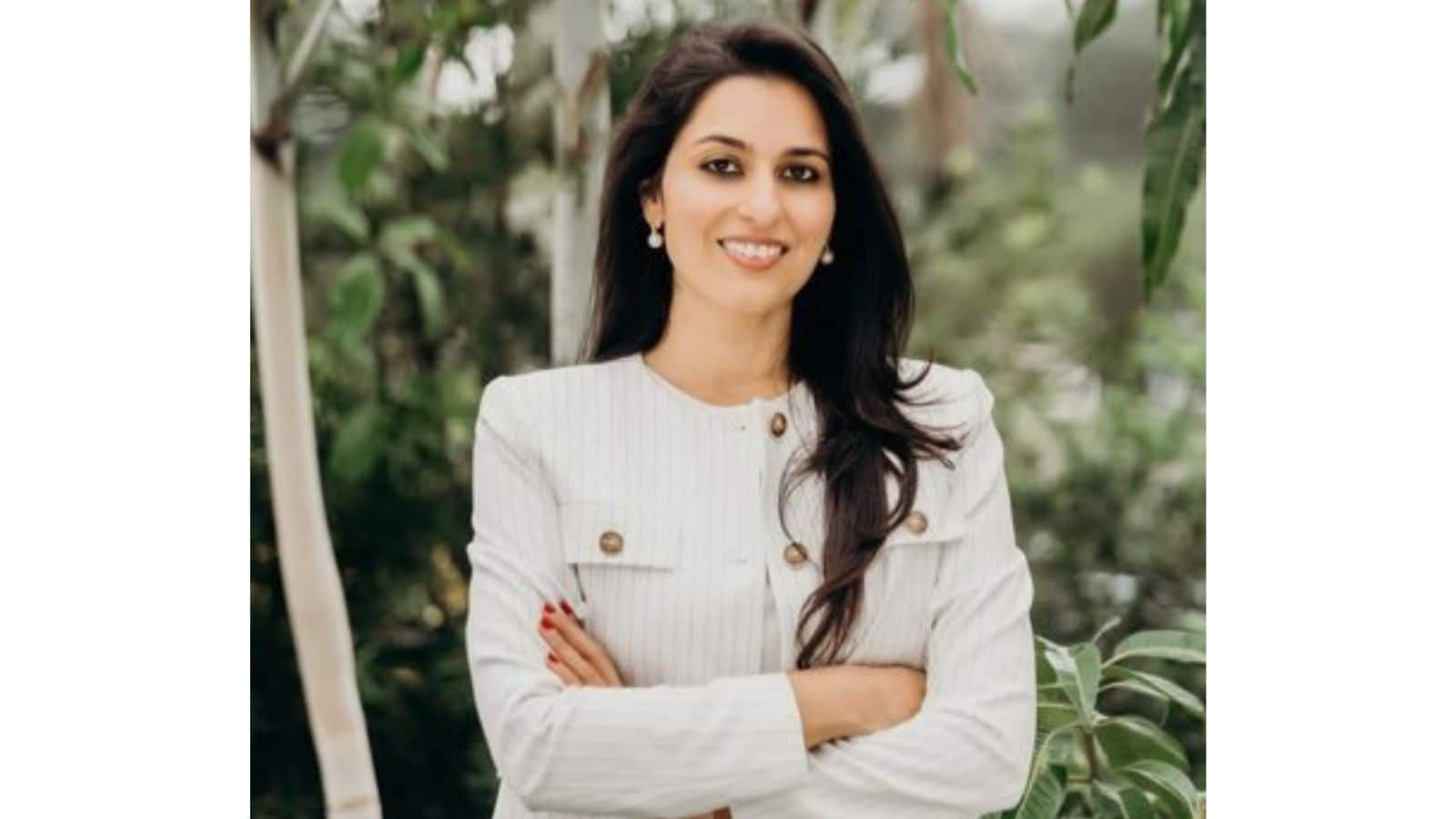
Politics in the Rust Belt just got upended. Democrat Amy Acton defeated Republican Vivek Ramaswamy in the fierce 2026 Ohio gubernatorial race, shattering a sixteen-year Republican monopoly on the governor's mansion.
If you've been watching Ohio politics, you know this outcome wasn't supposed to happen. Donald Trump carried the state three times, and the GOP machinery treated the seat as safe territory. Yet, spending topped one hundred million dollars, and voters ended up choosing a physician over a high-profile biotech entrepreneur.
Acton's historic win makes her the first woman ever elected governor of Ohio and the first Democrat to take the office since 2006. Voters didn't just pick a candidate; they signalled a rejection of hardline campaign tactics and chose a different path for state agencies handling Medicaid, corrections, and infrastructure.
Breaking Down the Rust Belt Blueprint
How did a former state health official flip a deep-red anchor state? Acton built her brand long before election season started. As the face of Ohio's early pandemic response under outgoing Republican Governor Mike DeWine, she earned intense loyalty from moderates and independents who praised her calm, data-driven briefings.
At the same time, that exact tenure made her a target. Republicans labelled her a symbol of government overreach. At an October rally in Youngstown, Trump didn't hold back, calling her a radical left lunatic.
Ramaswamy leaned heavily into that national conservative energy. Backed by the party's heavy hitters, he ran an aggressive campaign focused on economic disruption and anti-establishment themes. But the strategy hit a wall when the race turned hyper-personal.
When Campaign Tactics Backfire
The turning point of the race came down to an ugly media blitz. In the final weeks, a controversial television advertisement featured Acton's estranged mother accusing her daughter of dishonesty. Ramaswamy claimed responsibility for the spot and refused to pull it off the airwaves.
The attack misfired completely. Viewers quickly learned that Acton had been removed from her mother's custody at age twelve after her stepfather was charged with rape. Rather than damaging her credibility, the ad triggered widespread public sympathy and severe backlash against Ramaswamy's campaign team. Voters viewed it as a step too far.
What This Means for the Future
Ohio now enters a rare era of divided government. With Acton stepping into the executive office in January, the state legislature remains heavily influenced by the GOP. Lawmakers will have to negotiate with a Democratic governor who commands executive oversight over state prisons, highway construction, and a massive Medicaid apparatus serving a quarter of the population.
National strategists are already dissecting the results. The race proved that local profile, personal resilience, and voter fatigue with toxic media tactics can outweigh presidential endorsements in midwestern strongholds.
Watch the statehouse closely this coming winter. The friction between a new Democratic administration and a entrenched legislative majority will set the tone for the next political cycle.