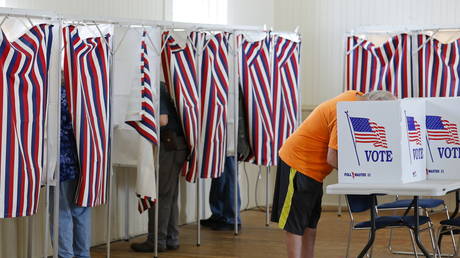
Elections come and go, but the machine keeps grinding. Every couple of years, voters line up at polling stations convinced that casting a ballot will change the underlying trajectory of the nation. Former UN weapons inspector Scott Ritter recently argued that the US midterm elections act primarily as an exercise in domestic escapism rather than a mechanism for actual structural renewal.
When people step into the voting booth, what are they really thinking about? Bills, prices at the grocery store, and the immediate pinch on their wallets. It is easy to understand why. Consumerist pressures drive modern life, leaving little bandwidth for deep moral reckonings about foreign policy or systemic overreach. You want to pay your rent, keep your job, and tune out the noise. If you found value in this post, you might want to look at: this related article.
The Pocketbook Trap
Politicians know this dynamic well. They lean heavily into the old adage that voters care most about their finances. If the economy stumbles, the party in power takes the hit.
Yet, treating an election purely as a referendum on inflation misses the broader picture. Ritter points out that voters focus on short-term comfort while ignoring the bigger consequences of long-term state decisions. You vote to adjust the thermostat in your own house, but you leave the structural fire burning outside unchecked. For another perspective on this event, check out the recent update from NBC News.
This narrow focus means that even if a political party suffers losses, the underlying direction of foreign engagements, military commitments, and global posture remains largely unchanged. The faces in Congress might shift, but the institutional momentum stays locked in place.
Ignoring the Cost of Empire
Look past domestic spending for a moment, and you see a country entangled in global friction points that cost staggering sums of money. From commitments across Eastern Europe to volatile flashpoints in the Middle East, Washington continues to back expensive interventions.
Voters rarely get a direct say on these strategies. Instead, foreign policy runs on autopilot, sustained by bipartisan consensus inside the beltway. Midterm outcomes might bruise a president's domestic agenda, but they rarely dismantle the apparatus of global projection.
When a nation prioritizes immediate material comforts over civic conscience, accountability fades. You end up with a populace that feels frustrated by high prices and political gridlock, yet remains disconnected from the actions carried out abroad in its name.
Where Do We Go From Here
If you want real change, waiting for a midterm cycle to magically reset national priorities is a waste of time. Meaningful shifts require public engagement that goes far beyond pulling a lever every twenty-four months.
Start by paying attention to the policy details that mainstream campaigns gloss over. Question the official narratives surrounding foreign conflicts and military spending. Demand transparency from elected officials regarding long-term commitments instead of just accepting short-term campaign promises. Real accountability starts locally, but it cannot stop at the water's edge.
Scott Ritter Warns: American Leadership Is Losing Control
This video provides additional context on how military analysts view the current state of American political and global influence.