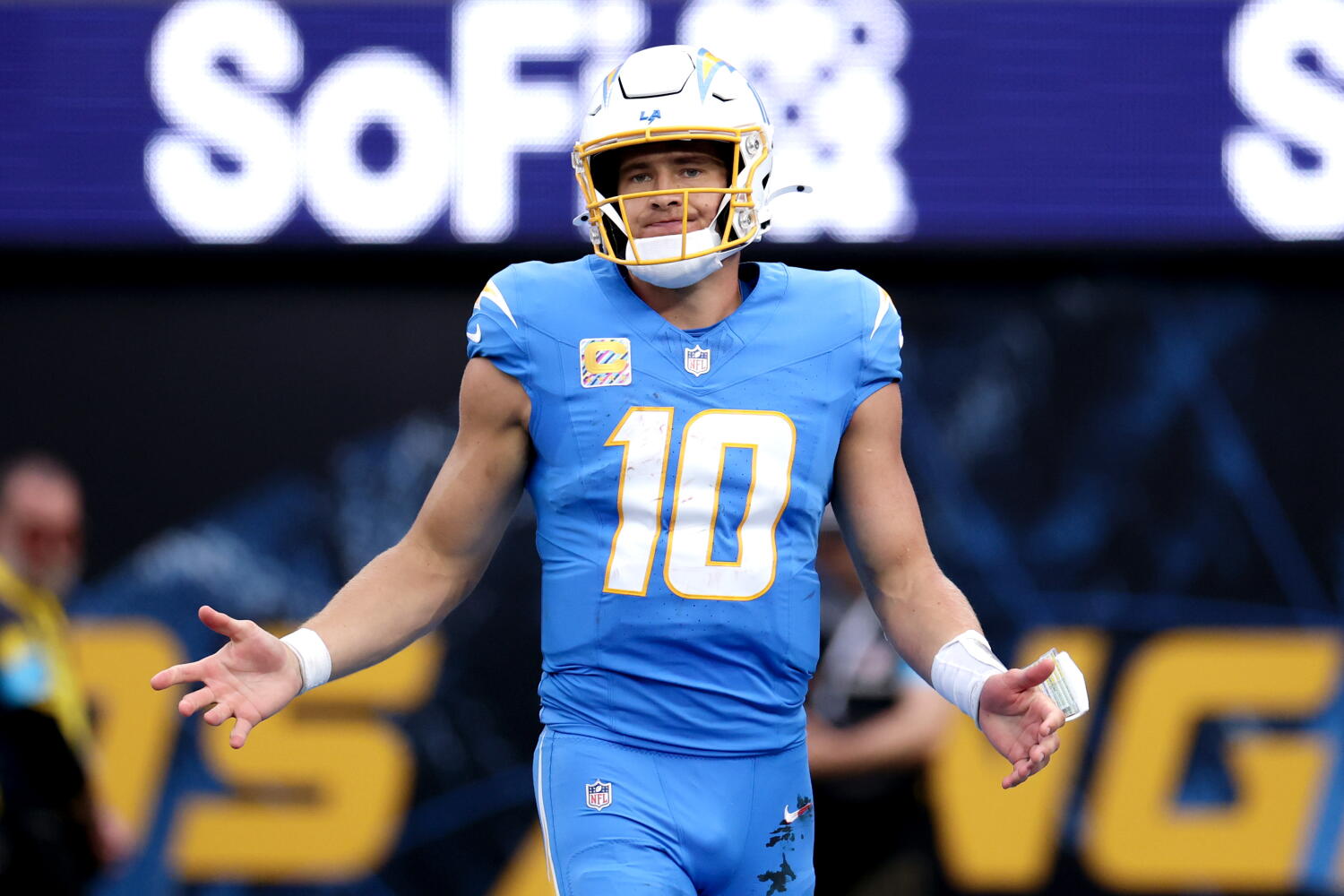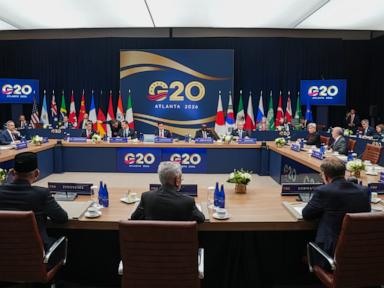
Statecraft usually looks like tense conference rooms, closed-door negotiations, and carefully worded communiqués. But foreign policy has a new playbook. When traditional diplomacy wraps up, Washington is increasingly trading treaty texts for the gridiron.
You might wonder how a sport built on fourth-and-inches and blitz packages translates to international relations. It turns out that sports diplomacy is no longer just about basketball clinics or Olympic ping-pong. The NFL and the U.S. State Department are leaning hard into public-private partnerships, exporting American football to international markets as a tool of cultural influence.
The Gridiron Goes Global
For decades, international soft power relied on Hollywood movies, fast-food chains, and pop music. Those cultural exports worked wonders. Yet sports offer something different. They create participatory communities rather than passive consumers.
When the State Department teams up with sports leagues, the goal isn't just selling merchandise abroad. It is about building lasting bridges through shared athletic experiences. Consider the scale of recent initiatives. Ahead of high-profile international matchups, American embassies and diplomatic missions routinely coordinate hundreds of global events spanning multiple continents.
Diplomats have realized that people who might roll their eyes at a policy briefing will gladly spend hours arguing about pass coverages or quarterback mechanics. It bridges cultural gaps faster than any formal embassy cocktail party.
Why Traditional Diplomacy Needs a Halftime Show
Official negotiations often stall over stubborn geopolitical roadblocks. Trade tariffs, border disputes, and security alliances grind through exhausting bureaucratic cycles.
Sports bypass those friction points entirely. On a football field, the rules are universal, clear, and rigidly enforced. That creates a rare neutral ground. Foreign youth, local athletes, and international community leaders interact with American coaches and players without the weight of political baggage.
I have watched how quickly a room of skeptical international students warms up once you hand them a football and explain the chaotic beauty of a zone defense. It strips away politics. You are just two people trying to figure out how to run a proper slant route.
Beyond the Super Bowl Hype
Critics often dismiss these sports initiatives as expensive PR stunts. They miss the bigger picture. Cultural diplomacy works best as a long-term investment.
When international sports federations work alongside government agencies, they lay down roots in regions where American influence faces steep competition. Flag football's inclusion in upcoming international athletic games has accelerated this push. It is cheaper to set up, requires less heavy equipment than full pads, and translates smoothly across diverse demographics globally.
Foreign ministries in other nations have practiced sports diplomacy for generations, using soccer and cricket to maintain global mindshare. Washington is finally playing catch-up, utilizing its most lucrative domestic product to shape international perceptions.
What Comes Next for Sports Diplomacy
The intersection of foreign policy and professional sports is bound to deepen. As global broadcasting rights expand and international series become permanent fixtures on team schedules, the line between fan culture and international relations blurs further.
If you want to understand where American cultural influence is heading, stop looking at trade summits. Look at the international clinics teaching kids overseas how to throw a spiral. Soft power isn't dying. It just traded its suit for cleats.