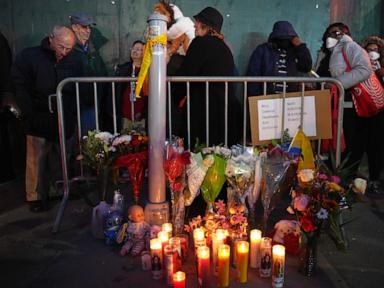
You leave your home country chasing financial stability, sending money back for groceries, rent, and a better life. You don't expect to return inside a casket funded by foreign ministries. That harsh reality hit families in the Ecuadorian Andes this week, when the remains of young construction workers killed in a catastrophic New York building collapse finally came home.
The tragic homecoming of 26-year-old José Caguana to the mountain town of Quisapincha and the expected arrival of 22-year-old Gabriel Sigüenza in Cañar expose the bitter human cost behind undocumented labor in American cities. When a three-story building in the Flatbush neighborhood of Brooklyn slid directly into an adjacent excavation site, it didn't just shatter bricks and mortar. It ripped apart immigrant families who came seeking refuge from economic despair and rising violence back home.
The Cost of Looking for a Way Out
Tens of thousands of Ecuadorians make the dangerous, unauthorized trek to the United States every year. Why? Because local employment opportunities have flatlined, and recurring economic crises leave people with impossible choices. When you're facing extreme financial pressure, digging foundations or working construction jobs in cities like New York feels like the only viable survival play.
Yet the job sites waiting for these workers often cut corners. Investigators in New York confirmed that the Brooklyn building which collapsed had a glaring record of safety violations. Worse still, court records show the demolition and construction firm attached to the project had already faced multiple lawsuits for damaging adjacent structures on previous jobs.
When safeguards are ignored to save a buck, workers pay the ultimate price. Relatives standing at Mariscal Sucre airport weren't just grieving a sudden accident; they were confronting systemic negligence thousands of miles away from the boardrooms where these construction decisions were made.
What Actually Caused the Brooklyn Disaster
Municipal authorities noted that the collapse happened while crews were excavating right next to the aging three-story structure. The ground gave way, pulling the building down into the pit and trapping workers on the site. Eight people lost their lives in total, including workers from Ecuador, Mexico, Guatemala, and Trinidad.
City officials immediately pointed fingers at inadequate safeguards during the demolition and excavation phases. But pointing fingers doesn't bring back a young father who was working tirelessly to support his family. Relatives interviewed by local networks captured the sheer disbelief of the tragedy, noting how cruel it is to leave home searching for prosperity only to return as a corpse.
Why Repatriation Exposes Deeper Fault Lines
The Ecuadorian government handled and paid for the repatriation costs through its foreign ministry. While state assistance provides critical relief to grieving families who cannot afford international transport fees, it highlights a grim pipeline. Thousands of young workers leave, a fraction return in boxes, and the underlying socio-economic drivers in provinces like Cañar and Tungurahua remain entirely unaddressed.
If you're watching these migrant stories unfold, the takeaway isn't just about a single zoning failure in Brooklyn. It's about a global economic imbalance that forces workers into high-risk environments with little regulatory protection. Until cities strictly penalize developers who ignore safety histories, construction sites will remain hazardous traps for the most vulnerable members of the workforce.
Check out this video for more context on the tragedy: Two Ecuadorian citizens die after building collapse in Brooklyn
This video provides an on-the-ground look at the tragedy in Brooklyn and the local coverage surrounding the victims.