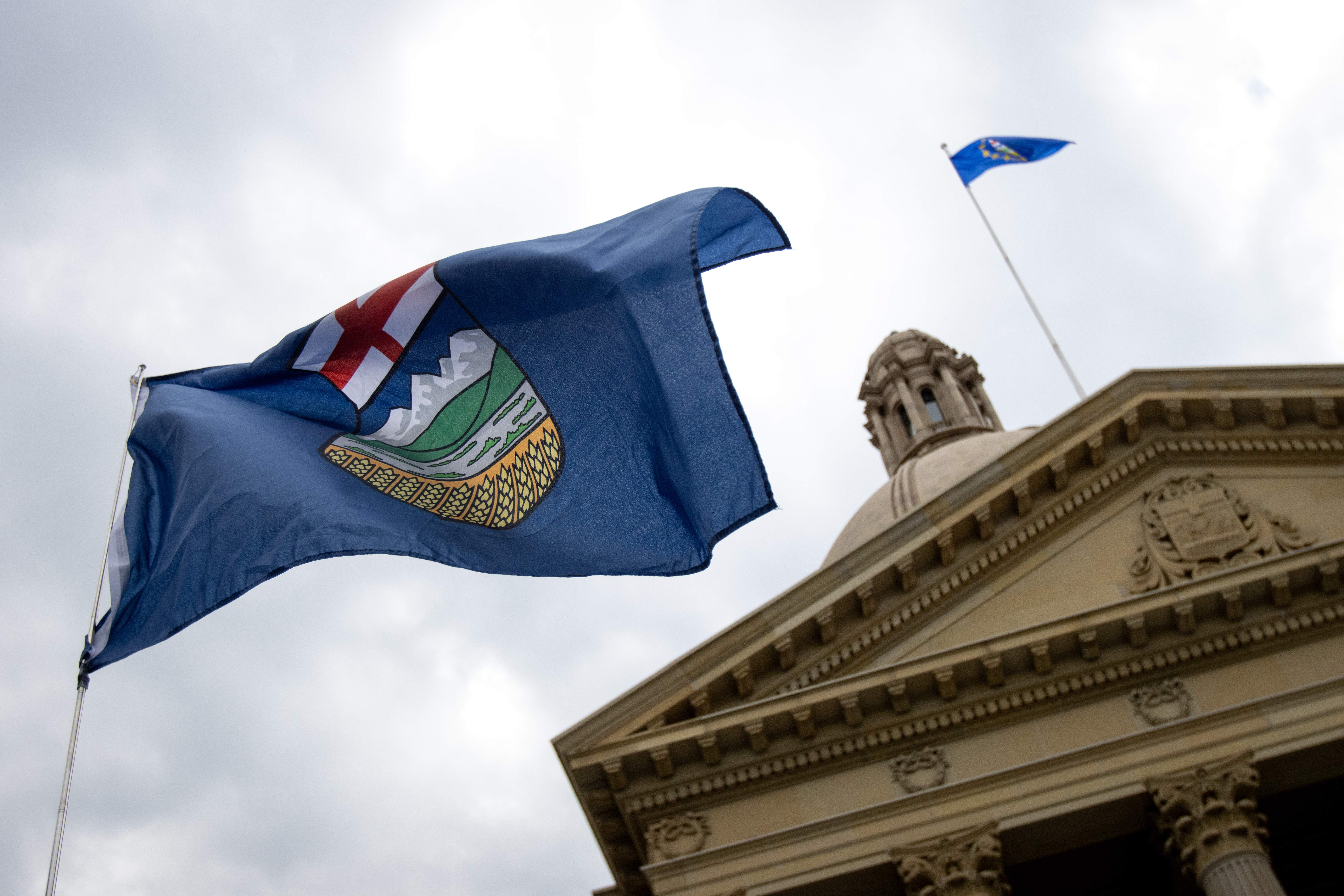
Referendums come and go, but the friction between Edmonton and Ottawa is a permanent fixture of Canadian politics. When voters head to the ballot box to answer high-stakes questions about Confederation, they aren't reacting to a single policy or a single prime minister. They're tapping into a century-old reservoir of frustration.
If you think Western alienation is just a modern political talking point, you're missing the entire history. Let's look at why this anger refuses to die and what it actually means for the country. For another perspective, read: this related article.
A Century of Economic Squeezes
Resentment out West didn't start with oil pipelines or carbon pricing. It started with wheat.
Back in the 1930s, the federal government established the Canadian Wheat Board. For grain farmers trying to survive the Great Depression, the board's monopoly wasn't a stabilizing force. It felt like a chokehold. Farmers couldn't sell their own crops on the open market to capture better prices. Ottawa called it orderly marketing. Farmers called it state control that sacrificed Western livelihoods for national export strategies. Related insight on this matter has been provided by BBC News.
That dynamic set a template that lasted for generations. Whenever Ottawa needed to shore up central Canadian interests or manage a national crisis, the economic cost disproportionately landed on the Prairie provinces.
The Scar Left by the National Energy Program
Ask any older Hamiltonian or Torontonian about the 1980s, and they might mention inflation or interest rates. Ask someone in Calgary, and they'll bring up Pierre Trudeau's National Energy Program in a heartbeat.
The NEP kept domestic oil prices artificially low to benefit manufacturing in Ontario and Quebec while grabbing a massive chunk of provincial resource revenues. Premier Peter Lougheed didn't just disagree with the policy; he viewed it as an existential threat to provincial ownership. Production cuts followed. Bumper stickers carrying vulgar insults directed at Eastern Canada flew off store shelves.
Lougheed eventually reached an uneasy truce, but the psychological damage was done. The NEP became the ultimate proof for many Albertans that Ottawa viewed their resource wealth as a piggy bank to be raided whenever central Canada caught a cold.
From the West Wants In to Separation Ballots
By the late 1980s, economic anger morphed into organized political rebellion. Preston Manning and the Reform Party built an entire movement around the slogan "The West Wants In." They didn't want to leave Canada back then; they wanted a bigger seat at the table, Senate reform, and fiscal conservatism.
Yet, when political systems fail to address structural imbalances, patience wears thin. Fast forward through the battles over the carbon tax, Bill C-69, and pipeline bottlenecks, and you find a new generation of protesters. Pandemic restrictions and federal environmental policies added fuel to an already smoldering fire.
When hundreds of thousands of people sign petitions demanding a vote on leaving Confederation, it's easy for critics in Toronto or Montreal to dismiss them as fringe radicals. That's a mistake. These petitions are symptoms of a deeper structural fatigue. Albertans generate immense wealth for the national economy through oil, gas, and agriculture, but they frequently feel shut out of regulatory decisions that govern their daily work.
What Happens Next
Decisive referendum results showing strong support for staying in Canada might close a specific legal chapter, but they won't rewrite the underlying sentiment. Premier Danielle Smith and future leaders will continue walking a tightrope between satisfying a restless populist base and managing the realities of federalism.
Ignore the noise about overnight separatism. The real story is the quiet, grinding friction of a region that contributes billions to the national treasury while feeling fundamentally misunderstood by the federal machinery.
Look past the headlines about ballot counts. Pay attention to how resource revenues, climate policies, and regional representation are negotiated over the next decade. That is where the actual future of the country gets decided.