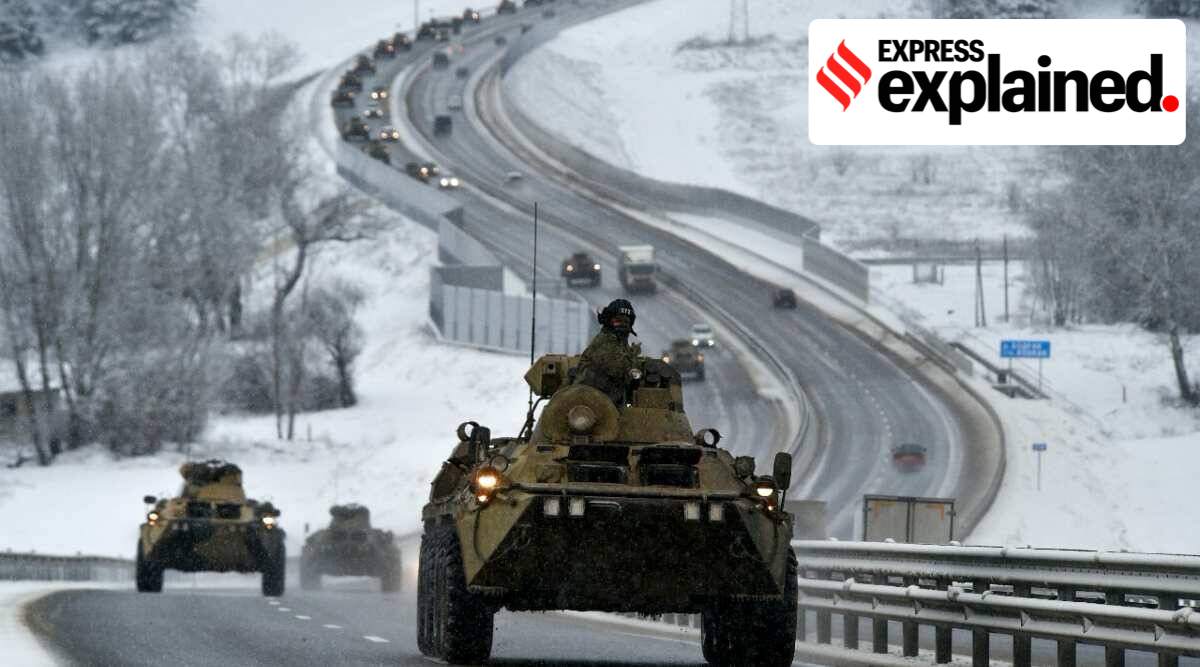
The waiting room at the makeshift family assistance center doesn't look like a place of hope. It looks like a room where time has stopped.
Hours bleed into days while relatives clutch crumpled photographs and phone chargers, waiting for a phone call that might shatter their world or prolong an unbearable limbo. Following the catastrophic high-speed rail collision near Toledo that left nearly 70 people dead, the immediate shock has given way to an agonizing reality: the grim, methodical task of identifying the missing.
When two trains collide on an open stretch of track—as a state-owned Renfe AVE service rammed a stationary Iryo train—the physical destruction is absolute. For the families caught in the epicenter of this tragedy, the aftermath is an exercise in psychological endurance.
Why Identification Takes So Long
People often wonder why officials can't just release a complete list of survivors and victims within hours. The reality of high-speed rail crashes makes rapid identification nearly impossible.
When carriages buckle, derail, and plunge down embankments, rescue workers face mangled metal, fire risks, and hazardous structural instability. Forensic teams can't rush. They need dental records, personal belongings, and DNA samples collected by the Civil Guard to match human remains.
Civil protection authorities have set up specialized psychological support units and DNA collection clinics. But process and protocol offer cold comfort to a parent or spouse staring at an empty seat at the dinner table.
The Weight of Control Room Decisions
Anger is rising alongside the grief. Transport ministers and investigators are looking squarely at the Madrid control center, where preliminary audio logs suggest a fatal instruction was given.
After an initial signaling failure brought both trains to a halt, a dispatcher allegedly told the Renfe driver to proceed "con marcha normal"—under normal operations—rather than proceeding with extreme caution. Survivors talk about a sudden, violent jolt that threw passengers through the air before the silence set in.
Families aren't just mourning; they're demanding accountability. This disaster follows another fatal rail incident earlier in the year, tearing open old wounds about infrastructure maintenance, privatization pressures, and human error in automated systems.
Coping With Ambiguous Loss
Psychologists call this ambiguous loss—when someone is missing, but physical confirmation is absent. You can't grieve properly because a tiny, irrational part of you still expects them to walk through the front door.
Local clergy and emergency trauma counselors working at the site note that closure requires physical verification. Relatives need to say goodbye. Until those final forensic matches are completed, families remain suspended between despair and desperate hope.
Check local emergency hotlines if you are searching for relatives affected by the crash, and rely only on official updates from regional authorities in Castilla-La Mancha and civil protection agencies.