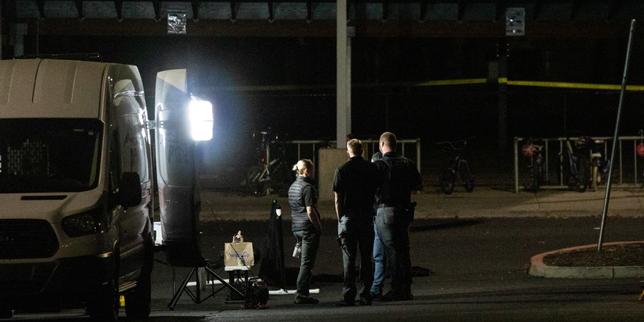
Another community is picking up the pieces. When 16-year-old Griffin J. John II forced his way into Silver Rail Elementary School in Bend, Oregon, carrying a shotgun, he didn't just shatter windows and doors—he tore right through the fragile safety net of a quiet Pacific Northwest town.
Police confirmed that the shooter had once been a student at the school, specifically attending special needs classes there. That detail alone has sparked an intense, uncomfortable conversation about institutional memory, student support systems, and the warning signs that routinely slip through the cracks.
Let's look at what actually happened, how the tragedy unfolded, and why investigators are zeroing in on the suspect's past.
Inside the Timeline at Silver Rail Elementary
The attack began just after 1 p.m. local time on a Thursday. According to Bend Police Chief Mike Krantz, the teenager targeted the building by shooting through locked exterior doors to gain entry. Once inside, he opened fire, killing three children—aged 5, 8, and 11—alongside a 25-year-old teacher, Megan Lambert. Two other victims suffered critical injuries and required emergency hospitalization.
Heroism emerged amidst the horror. An educator inside the targeted classroom threw her phone at the gunman and physically engaged him in a struggle, refusing to let him dictate the room's fate. Simultaneously, a father who had been dropping off or visiting the school witnessed the intrusion, pursued the teenager inside, and fatally shot him. Police later credited these split-second interventions with preventing an even higher death toll.
The Special Education Connection
The revelation that the suspect had previously attended Silver Rail Elementary as a student in special needs classes raises tough questions. Investigators are combing through school records, medical history, and digital footprints to determine any motive. Yet police have been upfront about one frustrating reality: motive remains unclear.
Why would a 16-year-old return to a primary school he hadn't attended in years? Was it a misplaced grievance tied to his early educational experiences, or was it simply the place he remembered best? Mental health experts and local authorities are urging patience while federal agencies like the FBI assist in the ongoing probe, but the public demand for answers is immediate.
The Ripple Effects on School Security
Schools across the country rely on locked doors, visitor badges, and active shooter drills. Silver Rail Elementary had those protocols in place. But when an attacker is willing to shoot through glass panels to bypass locked entryways, traditional hardening measures hit a hard wall.
Communities are left grappling with an impossible truth. You can upgrade locks and train staff, but stopping a determined individual inside a primary school often depends on human intervention—teachers risking their lives and armed bystanders making split-second, terrifying choices.
The investigation continues. Search warrants have been executed at the suspect's home, and witness interviews are ongoing. For the families in Bend, the hard part is just beginning.