Poland is reeling. A Saturday morning that should have been filled with the usual hustle of tourists and locals in Krakow's historic Main Square transformed into an active war zone. A 24-year-old Polish man, suited up in military-grade gear and brandishing an AR-15 rifle, turned a cultural hub into ground zero for senseless violence. Six people lost their lives, 17 others sustained injuries, and the subsequent discovery of three more bodies at the shooter's family home pushed an already stunned nation into deeper shock.
When you look past the breaking news alerts, the unfolding details paint a grim picture of radicalization, planning, and devastating execution. Let's break down what actually happened, what authorities have uncovered, and why this event is sending shockwaves far beyond Poland's borders.
The Rampage in the Heart of Krakow
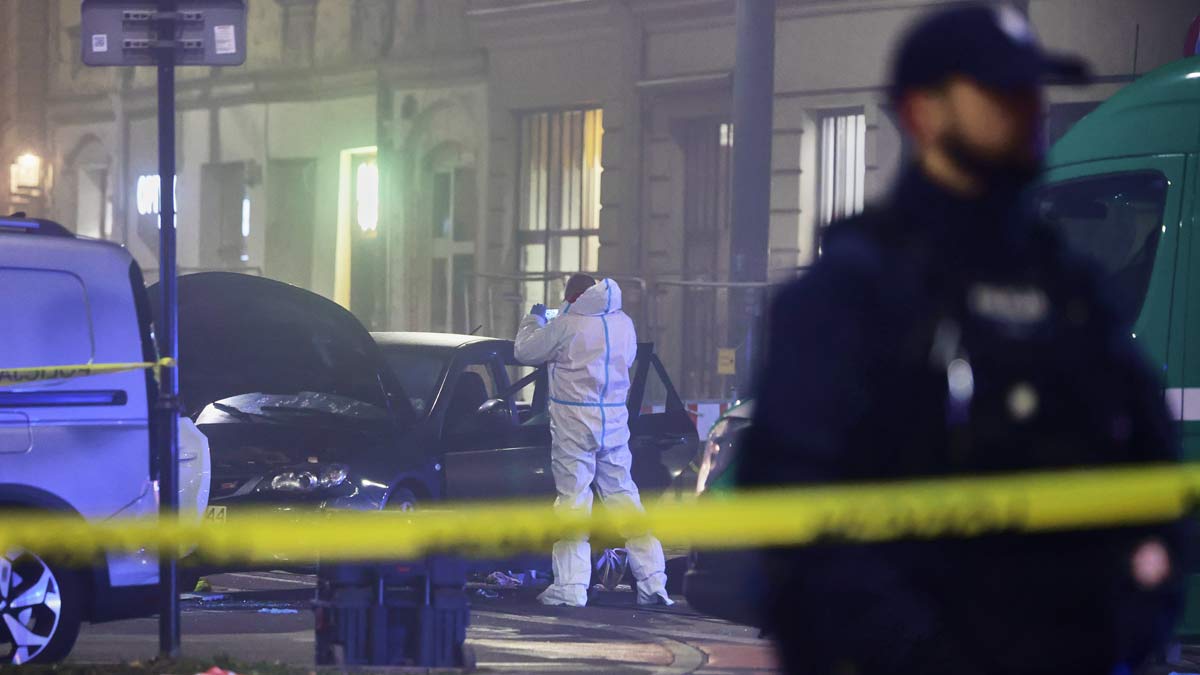
The attack didn't happen in a quiet alley. The assailant drove his vehicle straight into the crowded central square, turning the tourist hotspot into a chaotic rampage route. He kept firing indiscriminately, striking people at multiple locations around the plaza.
Police response was swift but tested to the limit. Witnesses and officials confirmed that the suspect continued firing at law enforcement even after taking hits. Officers ultimately shot and arrested him at the scene, ending a wild ride that left the historic square scarred.
Among the six dead are four women and two men. The human toll stretches across nationalities, underscoring the random horror of public mass shootings. While three of the fatalities were Polish citizens, another victim was a UK citizen. Authorities spent hours working to identify the remaining individuals as families waited anxiously for news.
The 17 injured victims reflect a terrifying international casualty list. Nationals from Austria, Germany, Portugal, Russia, and Britain were caught in the crossfire. Thirteen of those hospitalised remain in serious condition, including two police officers who put themselves between the gunman and fleeing civilians.
Far-Right Radicalization Takes Center Stage
Interior Minister Marcin Kierwinski didn't mince words when addressing reporters after the attack. Investigators quickly zeroed in on the suspect's ideological background.
Everything points directly to far-right ideology driving the 24-year-old Polish national. While his name has been withheld from immediate public release as investigations continue, the tools he brought to the fight tell a chilling story. He was dressed in full military-style clothing and armed with high-grade weaponry, including an AR-15 rifle. A cache of additional weapons was subsequently recovered from his vehicle, indicating this was far from a spontaneous outburst of anger. It was a calculated, armed assault.
Intelligence and law enforcement agencies across Europe are now scrambling to re-examine radical networks. When a young man arms himself with military-grade gear and targets an iconic public space, questions of online radicalization, manifesto culture, and security gaps take immediate priority.
The Horrific Discovery in Ostrowiec Swietokrzyski
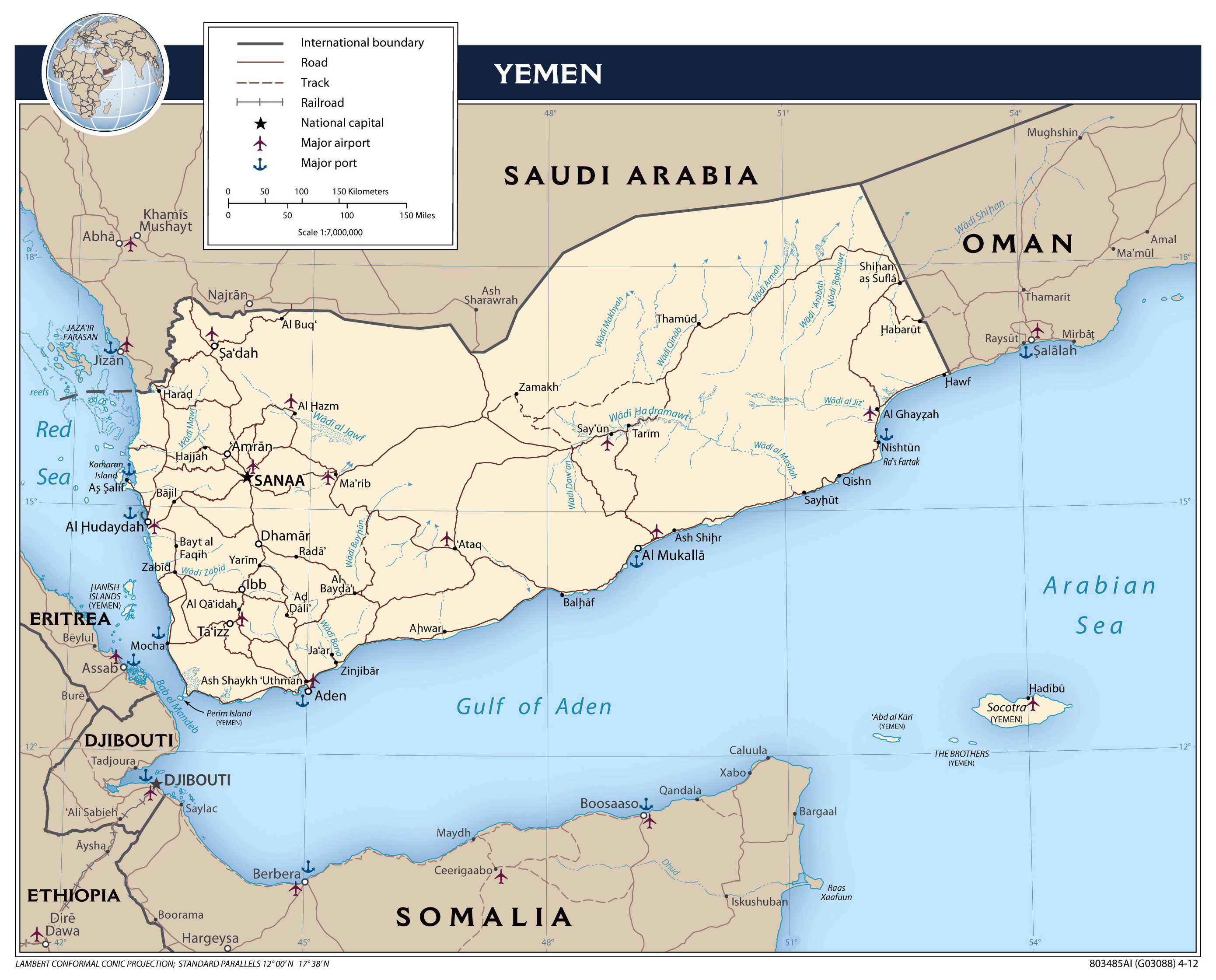
Just when the scale of the Krakow shooting felt incomprehensible, the investigation took an even darker turn nearly 200 kilometres north.
Prime Minister Donald Tusk confirmed that counterterrorism units and local police uncovered three additional bodies at the suspect's home in Ostrowiec Swietokrzyski. The victims, two women and one man, are believed to be close relatives of the shooter.
Because intelligence suggested the residence might be heavily booby-trapped, authorities deployed a drone to inspect the property safely before entering. Residents in the surrounding apartment building were evacuated as police and bomb squads secured the perimeter. Officials confirmed that a significant amount of weaponry and potential explosives remained inside the home, turning a localized mass shooting investigation into a multi-site domestic terror probe.
Unanswered Questions and Immediate Aftermath
Poland is left staring down a series of agonizing questions. How did a 24-year-old amass a military-grade arsenal undetected? What specific networks or online echo chambers radicalized him? And how can iconic public squares be protected from vehicular and armed assaults without turning European cities into fortresses?
For now, hospitals in Krakow are treating the wounded, families are identifying victims, and investigators are dissecting digital footprints and physical evidence across two cities. The luxury of feeling safe in Europe's historic plazas took a heavy hit this weekend, and the fallout will reshape security discussions across the continent for months to come.