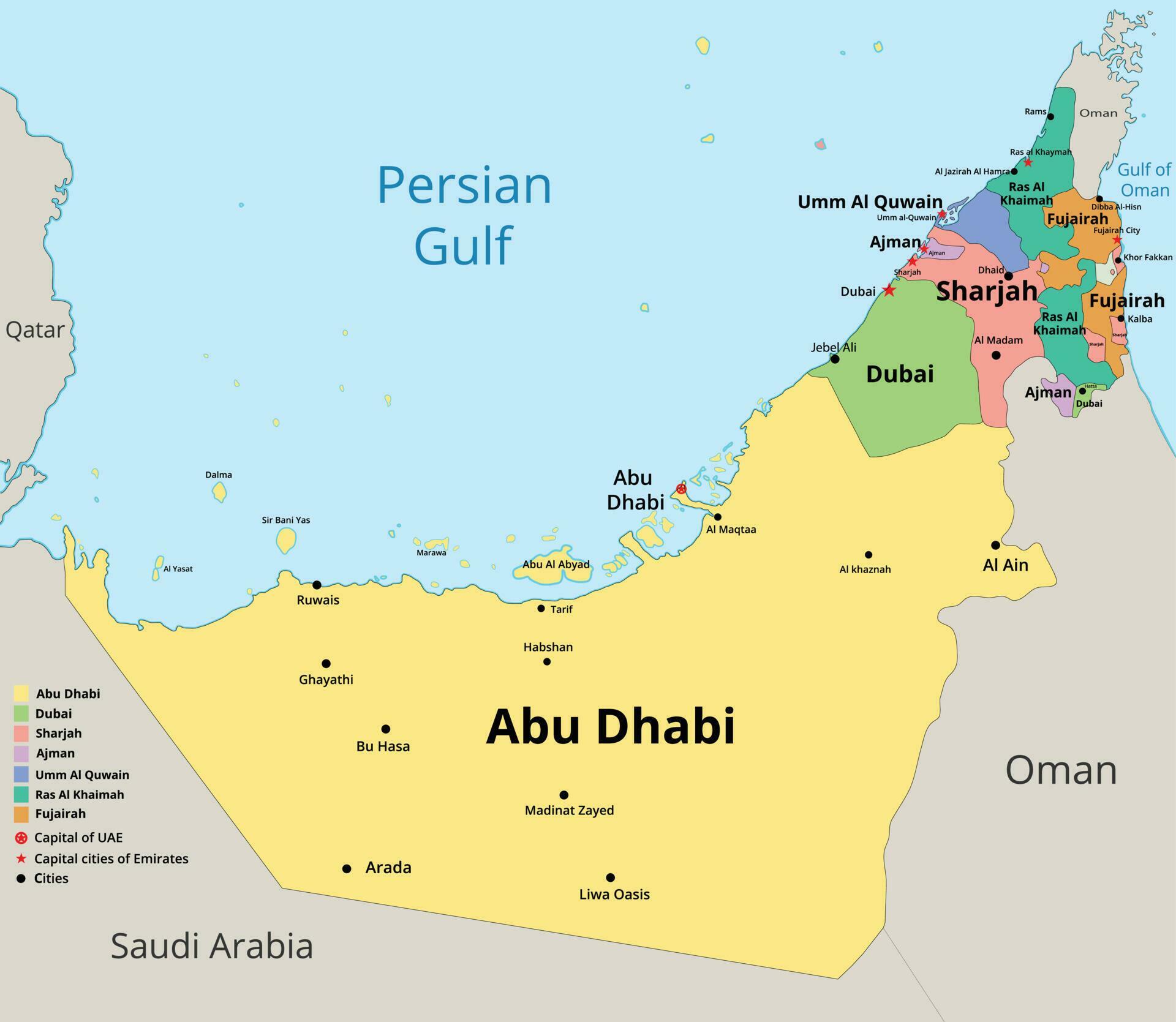
A commercial flight dropping 17,000 feet in under a minute sounds like a nightmare scenario straight out of a thriller. Yet that is precisely what happened on flydubai flight FZ1073 travelling from Dubai to Tel Aviv, triggering an international security emergency and a high-stakes investigation by the United Arab Emirates.
When a cockpit turns into a crime scene mid-air, the usual aviation safety protocols fly right out the window. The incident has forced authorities across the Middle East to re-examine how security failures happen at 34,000 feet, and whether a routine commercial route can be weaponized from the inside. For a closer look into this area, we recommend: this related article.
The Mid-Air Plunge and Cockpit Chaos
Flight FZ1073 was cruising toward Israel when a violent altercation erupted inside the flight deck. According to preliminary reports and flight tracking data, the aircraft suddenly plummeted, shedding thousands of feet of altitude in seconds as the automated systems and human struggle fought for control of the plane.
The captain, Indian national Smit Machchhar, sustained serious stab wounds during an alleged attack by the first officer. Despite his injuries, Machchhar managed to unlock the cockpit door, allowing passengers—including off-duty crew members and travellers who rushed forward—to subdue the attacker. A reserve crew already on board then stepped in to take control of the yoke, guiding the Boeing 737 MAX 8 into an emergency landing at Tabuk Airport in Saudi Arabia. For broader context on this issue, comprehensive reporting can be read at BBC News.
While Israeli leaders quickly labeled the event a terror attack, officials in the UAE moved to launch a comprehensive, methodical investigation before jumping to absolute conclusions.
UAE Investigation and Regional Security Questions
The UAE's attorney general, Dr Hamad Saif Al Shamsi, ordered a specialized task force to investigate whether the incident involved deliberate terrorist activity, prior planning, or external direction. This probe puts the spotlight squarely on how intelligence agencies vet commercial aviation personnel.
Investigators are looking at several hard questions:
- How an individual bypassed screening or weaponized items inside a secure cockpit.
- What personal history or radicalization indicators existed prior to the flight.
- Whether any external actors or regional networks played a role in orchestrating the cockpit assault.
While Israeli Prime Minister Benjamin Netanyahu pointed to potential ideological motives and questioned possible external links, other officials have urged caution. Rushing to a political narrative before forensic digital and personal data is fully analyzed leaves massive blind spots. Security experts note that insider threats remain one of the hardest vulnerabilities to plug in modern aviation, since pilots and crew inherently possess trusted access to the controls.
Why Passenger Intervention Prevented a Catastrophe
Commercial aviation relies heavily on the assumption that cockpit doors remain sealed against external threats. When the threat originates from inside the flight deck, standard safety models collapse.
Flight FZ1073 avoided total disaster because of pure human grit and a statistical fluke. Having extra crew members on board provided the immediate backup needed to land the aircraft safely after the primary flight controls were compromised. Passengers who sprinted to the front didn't wait for a manual; they reacted to a rapid loss of altitude that signalled imminent death.
Saudi authorities coordinated the emergency landing smoothly, earning praise from regional neighbors and international leaders alike. The cooperation between Saudi ground services and the diverted flight crew highlights a pragmatic approach to crisis management, even amidst complex geopolitical tensions in the region.
The Broader Fallout for Middle Eastern Aviation
Airlines are already feeling the operational ripple effects. Flydubai's immediate suspension of routes to Israel underscores how quickly security incidents can freeze cross-border travel.
Passengers boarding international flights now face renewed anxiety about insider risks. Aviation authorities will likely face mounting pressure to mandate stricter psychological evaluations and background checks for flight deck crews, moving beyond standard physical health renewals.
The investigation led by UAE prosecutors will set the benchmark for how such anomalies are handled moving forward. Until those findings are released, the incident remains a stark reminder that the greatest risks to a flight often sit right behind a locked cockpit door.
Flydubai flight to Israel diverted after attack on pilot
Watch this short clip showing the immediate aftermath and passenger accounts following the emergency landing in Saudi Arabia.
http://googleusercontent.com/youtube_content/1