Control of the United States Congress hangs on the thinnest margins in modern history, and the closing arguments from both sides couldn't look more different.
Heading into Election Day, Republicans hold a paper-thin majority in the House of Representatives—just 218 seats to the Democrats' 214. Over in the Senate, the GOP sits on a 53 to 47 advantage. That means Democrats need a net gain of only four seats in each chamber to flip the entire legislative branch upside down.
It's a nail-biter. But while traditional midterm campaigns usually laser-focus on kitchen-table economics or local district gripes, the final 24 hours of this cycle took a sudden turn toward foreign policy and presidential leverage.
Foreign Policy Collides with the Ballot Box
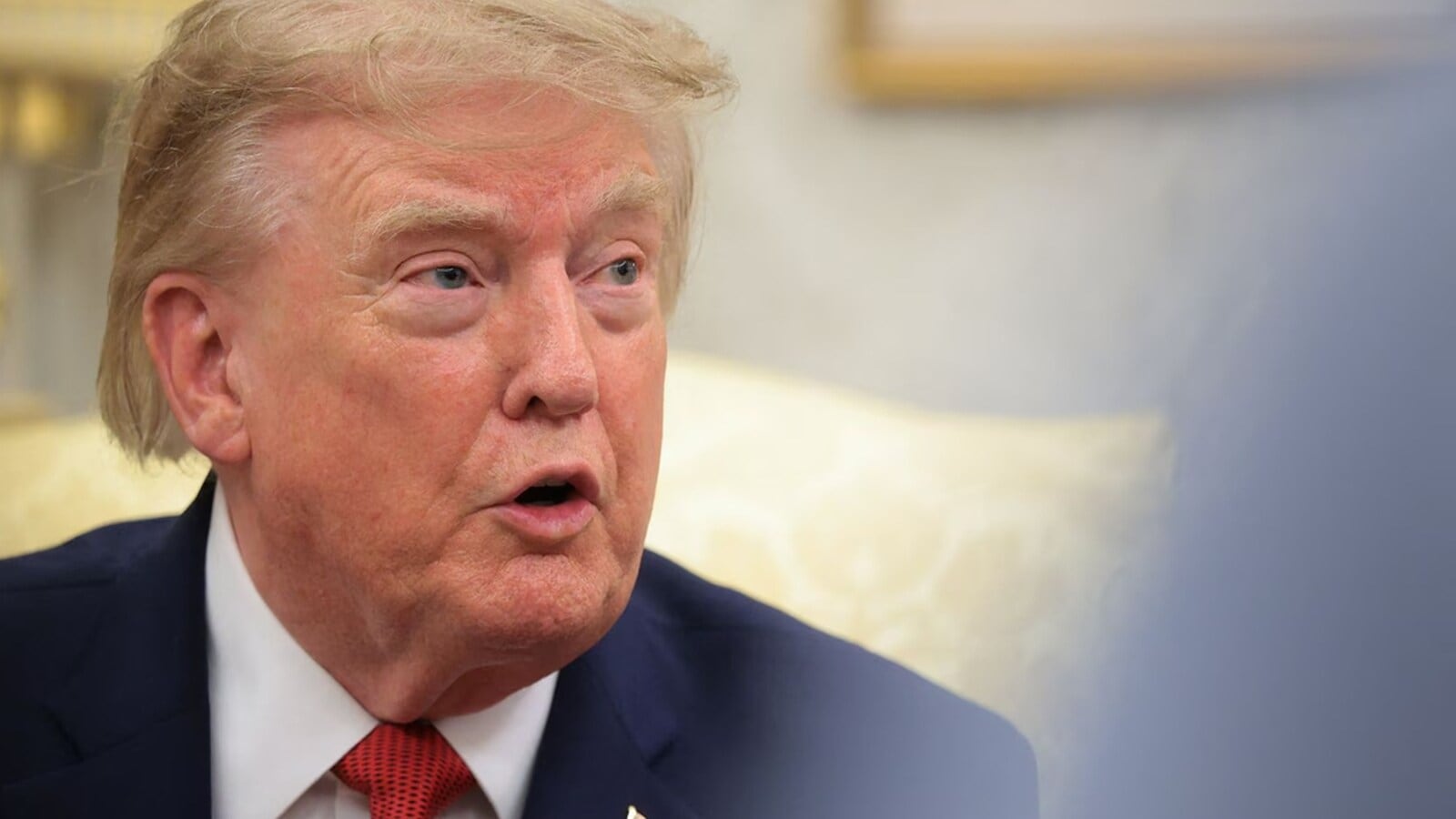
In his final pitches to voters on the eve of the election, Donald Trump altered his tone on foreign military action, specifically regarding Iran. Speaking to reporters and appearing on commentary outlets, Trump downplayed the likelihood of immediate, renewed military strikes against Tehran.
"One way or the other, we will do something, but there is no rush," Trump noted in an interview with Axios, emphasizing that economic pressure had already severely crippled Iranian finances.
This pivot isn't just about military strategy—it's about domestic economic optics right as voters head to the polls. Pointing to plunging crude oil prices, the president argued that diplomatic negotiations were progressing and helping stabilize energy markets ahead of Election Day.
For congressional Republicans trying to defend suburban districts, avoiding an escalating overseas conflict in the final hours of a campaign is a tactical relief. Voters rarely head to the polls eager to endorse new foreign entanglements when inflation and interest rates are already top of mind.
The Mathematical Reality in the House and Senate
Strip away the political rhetoric, and the battle for Congress comes down to a small handful of competitive battleground races.
In the 435-member House, where all seats are up for grabs, Democrats only need to flip four seats to secure the gavel. Because the GOP majority was built on razor-thin victories in swing districts—many in states like California and New York—even minor shifts in suburban voter turnout can change who runs the House.
The Senate landscape presents its own unique puzzle. Out of the 35 seats on the ballot (including special elections in Florida and Ohio), Ballotpedia identifies a dozen key battleground contests:
- Georgia: Democrat Jon Ossoff is defending his seat in a state that leaned Republican in recent presidential voting.
- Michigan: An open-seat battle following Gary Peters' retirement, placing Democrats on the defensive in the Rust Belt.
- Maine: Republican incumbent Susan Collins faces a tough re-election bid in a state that carried Democratic presidential margins.
- Ohio & Florida: Key special elections to fill out remaining terms for high-profile seats previously vacated for administration roles.
When margins are this close, national narratives matter far less than ground-level turnout. A light rainstorm in a critical suburban precinct or a slight dip in rural voting can completely flip committee leadership in Washington.
What Divided Power Would Mean for the Next Two Years
Midterm elections are almost always a referendum on the sitting president's agenda. If Republicans maintain control of both the House and Senate, the White House keeps a clear path for judicial nominations, cabinet appointments, and legislative priorities.
If Democrats manage to capture even one chamber, the dynamic shifts overnight:
- Subpoena Power: A Democratic House or Senate gains oversight authority, opening the door to investigations and public hearings.
- Budget Battles: Spending bills and debt ceiling negotiations become high-wire acts requiring bipartisan compromise.
- Judicial Stops: A Democratic Senate could slow down or halt federal judicial confirmations altogether.
Regardless of the outcome, official results won't happen instantly. News networks may project races early, but state election authorities often take days—sometimes weeks—to count mail-in ballots, cure provisional votes, and certify final numbers.
How to Track Election Results Safely
With razor-thin margins expected across multiple states, staying informed means relying on certified data rather than early social media claims.
If you're following the results as polls close across the country:
- Check Official Portals: Look up direct election night feeds from your local county clerk or state Secretary of State office for official, certified vote tallies.
- Understand the Delay: Early returns often reflect specific voting methods (like early in-person or mail-in voting) and don't represent the final outcome until all precincts report.
- Verify District Boundaries: If you're looking up individual House races, confirm your specific congressional district number through your local voter registration portal to see who represents your area.