The 17% Tariff Offer Isn't Charity, It's Leverage
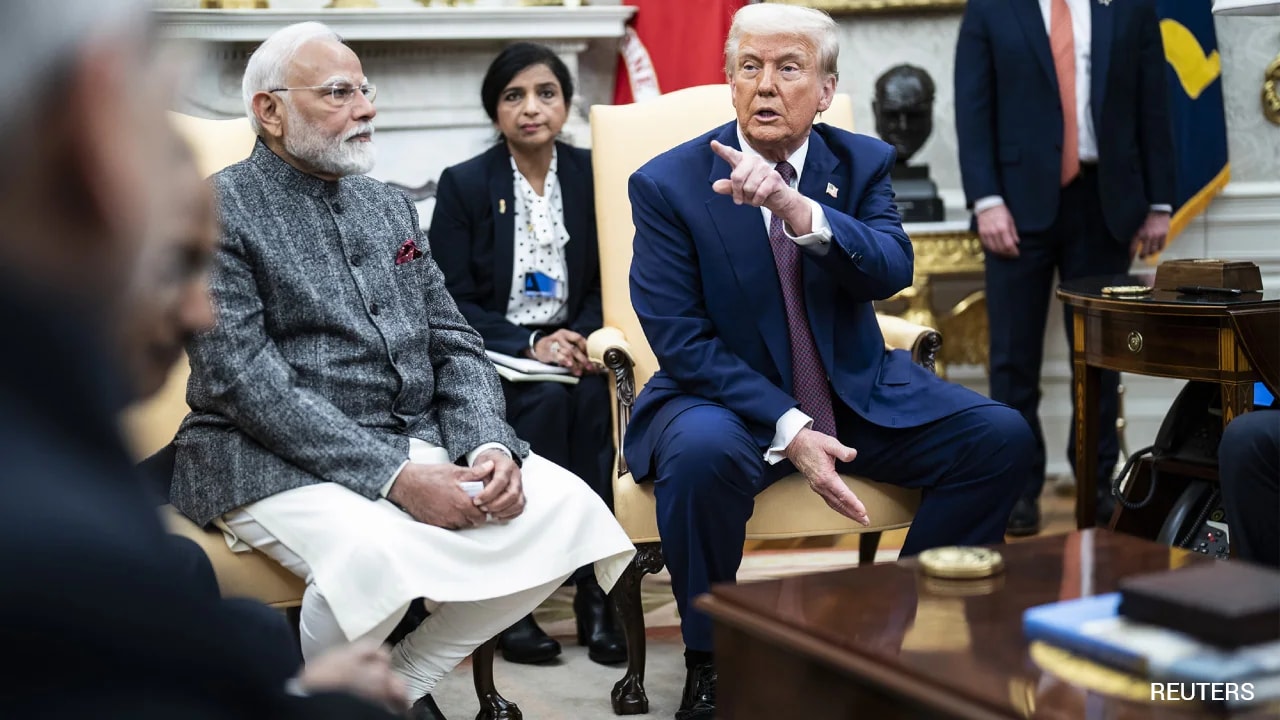
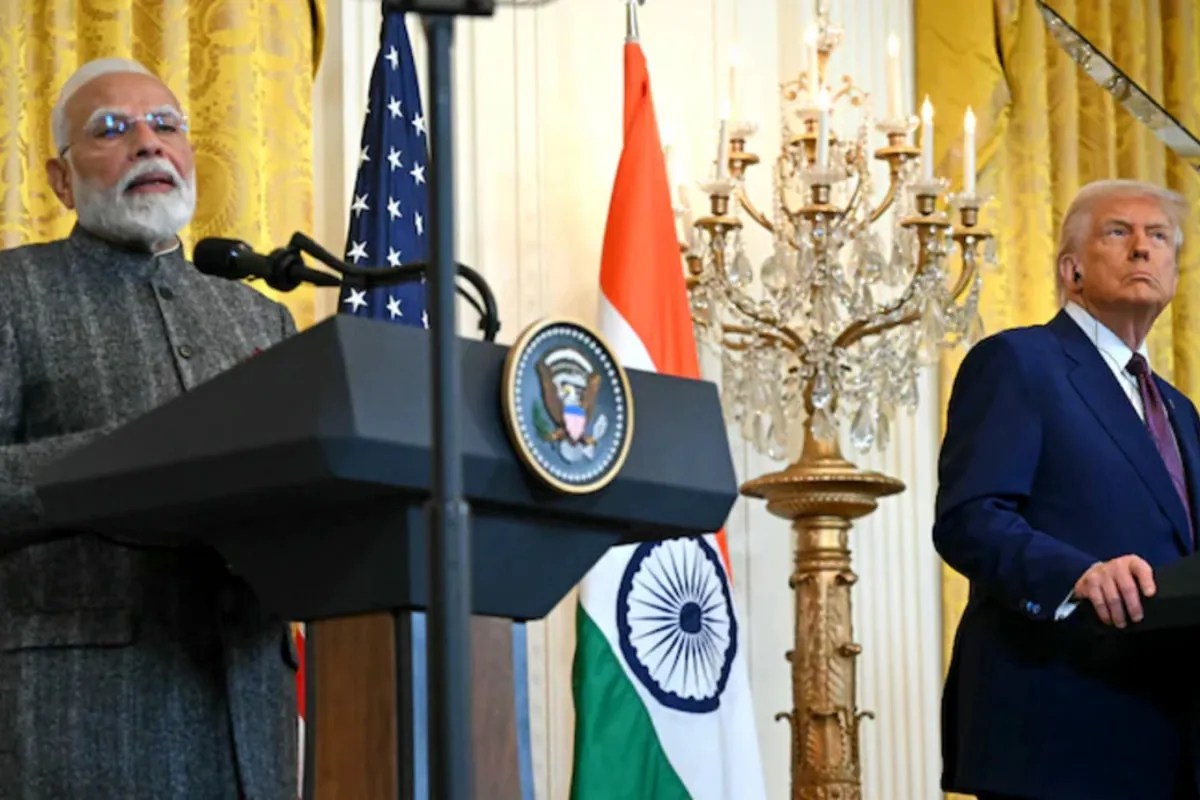
If you export goods from India to the United States, you already know how whiplash-inducing Washington's trade policy has been over the past year and a half. Now comes the latest twist: the Office of the US Trade Representative, led by Jamieson Greer, says the US could cap tariffs on Indian goods at 17% if New Delhi signs a bilateral trade deal. Walk away without a deal, and that tariff could jump to 25%.
On paper, 17% looks like a relief compared to 25% or the brutal 50% duties slapped on many Indian exports back in August 2025 after a round of talks fell apart. Honestly, though, treating 17% as a simple discount misses the point. Washington is using tariff math to push New Delhi into signing an agreement that addresses specific US complaints about industrial policy, labor rules, market access, and ties to non-market economies like China.
Let's be clear about where things stand right now. Nothing is locked in yet. The USTR has opened a public comment window running through January 5, 2027, with hearings scheduled for January 25, 2027. Until an agreement is actually signed and implemented, exporters are navigating a moving target, not a finished rulebook.
How We Got From 50% Duties to a 17% Deal Offer
To make sense of the 17% number, you have to look at the rollercoaster of US-India trade actions since early 2025. Talks kicked off in February 2025 with big ambitions for two-way trade, yet friction over sensitive areas—especially agriculture and dairy—derailed progress that summer.
In August 2025, the Trump administration hit Indian goods with a 25% reciprocal tariff under emergency powers, then stacked another 25% penalty tied to Russian oil purchases, bringing the headline rate to 50% on many items. That shock hurt. Indian exports to the US dropped sharply over the following months, hitting labor-heavy sectors hard while sparing a few exemptions.
Then came February 2026. Leaders announced a trade framework that pointed toward an 18% rate and lifted the Russian-oil penalty on February 7, 2026. Just days later, on February 20, 2026, the US Supreme Court struck down the use of emergency powers for those sweeping tariffs, leading to a temporary 10% baseline surcharge under a different statutory authority. Meanwhile, a separate Section 301 investigation into structural excess industrial capacity—targeting India alongside roughly a dozen other economies—set up the new 25% vs. 17% proposal announced in late November 2026.
That history matters because it explains why businesses shouldn't celebrate headlines too early. A framework or a proposed rate isn't the same as a signed treaty surviving legal and political hurdles.
Who Gets Hit by 25%, and Who Catches a Break?
One detail many quick summaries gloss over is that tariffs don't land evenly across every product line. According to reporting on the USTR proposal and its exemptions annex, the two biggest export categories from India to the US—generic pharmaceuticals and smartphones—are carved out from the proposed excess-capacity tariff.
If you ship generic medicines or phones, your immediate exposure looks very different from someone shipping apparel, gems and jewellery, shrimp, or solar gear. Those labor-intensive and manufacturing-focused sectors face the sharp end of up to 25% duties if there's no deal.
Also worth watching is how existing duties interact with the new proposal. The proposed levy is structured net of existing Section 301 tariffs rather than simply stacking blindly on top of every prior duty, meaning importers look at the applicable rate rules rather than assuming automatic addition. Still, a jump from 17% to 25% is an eight-percentage-point gap. In tight-margin industries like garments or seafood, eight points can wipe out a buyer's order overnight.
Why 17% Gives India an Edge Over Asian Rivals
Here is the strategic angle that smart exporters are already pricing in. A 17% tariff cap isn't just about India versus the US. It's about India versus Vietnam, Bangladesh, Cambodia, Indonesia, Malaysia, and Thailand.
Under the proposed framework, several competing Asian economies face higher deal rates or steep non-deal ceilings. For instance, apparel and textile rivals like Bangladesh and Cambodia face an 18% proposed deal rate, while Vietnam faces 20% with a deal and up to 35% without one. In shrimp and seafood, Indonesia and Thailand sit around 18% under the proposed numbers, with Vietnam at 20%. In solar, competitors like Cambodia, Malaysia, and Thailand face 18%.
Think about what happens if India locks in 17% while rivals sit at 18%, 20%, or higher. Buyers in New York, Chicago, or Los Angeles compare landed costs down to pennies per unit. Even a one- or three-point edge can shift sourcing orders from factories in neighboring countries back to Indian suppliers—assuming Indian factories can meet volume, quality, and delivery schedules.
Of course, that advantage only materializes if New Delhi actually closes the deal and meets Washington's conditions. If talks stall again and India lands at 25% while a rival negotiates a lower rate, the shoe is on the other foot.
What Washington Wants in Exchange for 17%
You don't get a lower tariff number in a trade negotiation for free. The USTR's findings point straight at policies inside India that American officials say hurt US producers, workers, and supply chains.
Specifically, Washington has flagged concerns around:
- Industrial expansion programs and subsidies, including initiatives tied to domestic manufacturing and production incentives.
- Labor protections and enforcement standards.
- Financial policies that Washington characterizes as financial repression or directed credit.
- Market access barriers for American goods and services.
- Trade and investment links with non-market economies, especially when it comes to inputs in sectors like steel, solar, pharmaceuticals, medical devices, and tech.
New Delhi has pushed back hard against the excess-capacity label, stating that India doesn't have structural overcapacity in its sectors and maintaining that trade disagreements should be resolved through the bilateral trade agreement negotiations. That tension is the heart of the standoff. India wants to protect domestic industrial growth and sensitive sectors, while Washington wants concessions and guardrails on supply chains and market access.
Practical Mistakes Exporters Make During Tariff Standoffs
Having watched companies react to tariff headlines before, I see the same mistakes repeat whenever Washington floats a new number.
First, companies treat a proposed rate as permanent law. A proposal published for public comment with hearings set for January 2027 can change in scope, exemptions, or timing. Locking in rigid pricing contracts for six months without tariff adjustment clauses is a recipe for margin pain.
Second, exporters ignore origin and input rules. When trade negotiators talk about non-market economies and supply chains, customs scrutiny gets tighter, not looser. If your finished product relies heavily on imported components or transshipment, you need rock-solid documentation and clear rules-of-origin compliance.
Third, businesses wait until the week a tariff takes effect to talk to their US buyers. Buyers start planning inventory and sourcing shifts weeks or months ahead. Proactive, transparent conversations about landed costs, split shipments, and alternative SKUs keep relationships intact when headlines get noisy.
What You Should Do Next
If your business depends on US-India trade, don't sit on your hands waiting for a press release from New Delhi or Washington.
Start by auditing your exact HS codes against the USTR proposal and exemptions list so you know whether your goods are exempt, exposed to up to 25%, or tied to existing Section 301 actions. Run a simple landed-cost model at 10%, 17%, and 25% to see where your gross margins break and which product lines have pricing power.
Next, review your supply contracts with US customers and overseas suppliers. Make sure responsibility for tariff changes, customs delays, and freight surcharges is spelled out clearly before new shipments leave port.
Finally, track the regulatory calendar closely—written comments are due January 5, 2027, and public hearings begin January 25, 2027. Industry associations and exporters often submit comments or coordinate through trade bodies to flag practical supply-chain impacts, especially around rules like textile volume mechanisms or product exemptions. Treat the next two months as a preparation window, because once final tariff rules drop, adjustments happen fast.