Signing a stack of legal waivers before stepping onto a reality TV set shouldn't mean you forfeit your right to basic human safety. When former Survivor Greece contestant Stavros Floros filed a massive $100 million lawsuit in Miami-Dade County against production heavyweights Acun Medya and Skai TV, he shattered the illusion that television producers actually look out for their cast members.
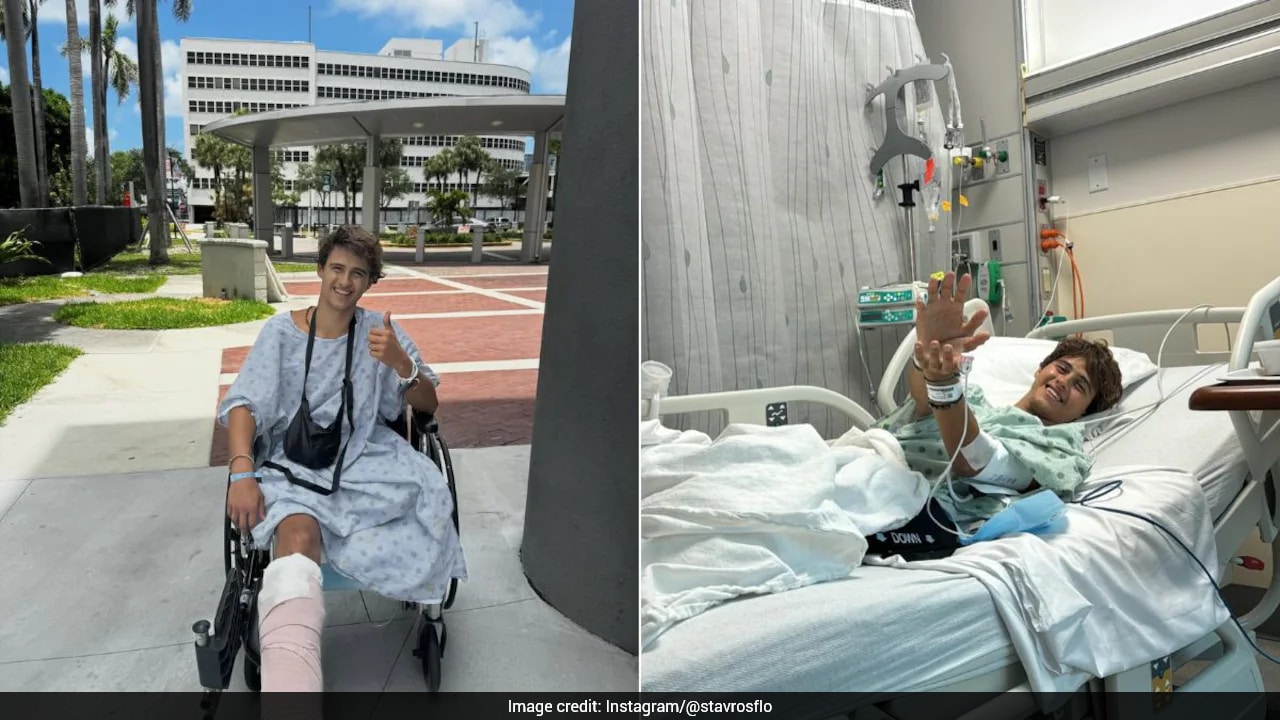
Back on May 11, during production in the Dominican Republic, Floros was spearfishing to secure food for his tribe. A tourist boat plowed through the area, its propeller severely crushing his right ankle and completely severing his left leg below the knee. The limb was never recovered from the ocean. Floros survived only because a stranger on the boat slapped a tourniquet onto his bleeding stump.
What most people get wrong about reality TV production safety is assuming that remote locations are heavily monitored private zones. In reality, production companies often cut corners to save money, pushing contestants into dangerous, high-traffic public waters without proper safeguards.
The Reality Behind The Danger
Floros and his legal team didn't just point fingers at bad luck; they targeted structural negligence. According to the court filing, the show's format fundamentally required exhausted contestants to spearfish in open waters near Bayahibe, an area heavily congested with tourist boats.
The accusations outline a blatant disregard for safety protocols:
- No dedicated safety boats were assigned to shadow the diving contestants.
- No protected swimming zones or adequate warning markers were established.
- Surface marker buoys provided by production stood a mere two to three feet high, making them practically invisible to passing motorboats.
Production companies love to hide behind liability waivers, arguing that participants knowingly accept the risks of the wild. But legal experts know that waivers don't magically erase gross negligence. If producers order participants into a known hazard zone without safety spotters, liability shifts squarely onto the corporate entities pocketing the advertising revenue.
The Aftermath And Cover-Up Claims
The lawsuit goes far beyond the initial accident. Floros endured a grueling 61-day hospital stay in Miami, undergoing multiple surgeries to save what was left of his limbs. Meanwhile, the allegations inside the court document claim that production attempted to sweep elements of the disaster under the rug.
Even wilder details emerged in the filing, including claims that producers supplied remaining cast members with substances to keep them compliant and calm after the traumatic shutdown. Acun Medya initially maintained that the accident happened outside the official competitive process while the contestant was diving without proper gear. Yet, pushing exhausted players into open commercial waters to forage for meals inherently makes the production company responsible for their supervision.
What This Means For The Future Of Survival Shows
Shows like Survivor rely on raw environments to hook viewers. Producers want maximum drama with minimal overhead. When multi-national media conglomerates treat human lives as disposable collateral for ratings, massive financial penalties are the only language corporate boards understand.
If you watch these shows, stop thinking of them as harmless games. They are high-risk commercial work sites operating in foreign jurisdictions with lax labor protections.
Look closely at how production companies respond to this lawsuit over the coming months. Expect tighter safety protocols on paper, followed by the same old shortcuts once the cameras start rolling again.