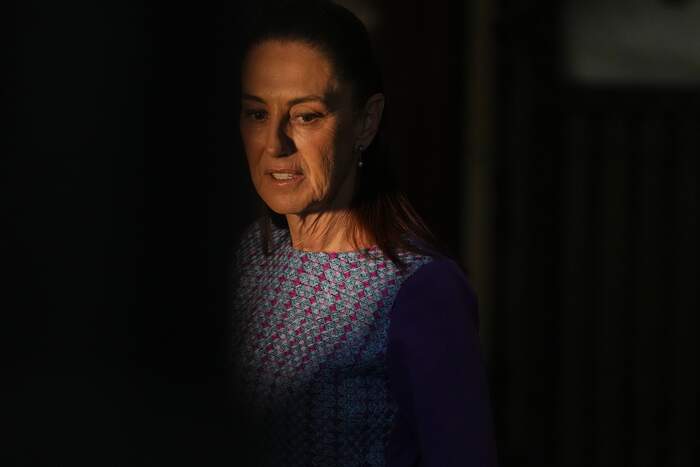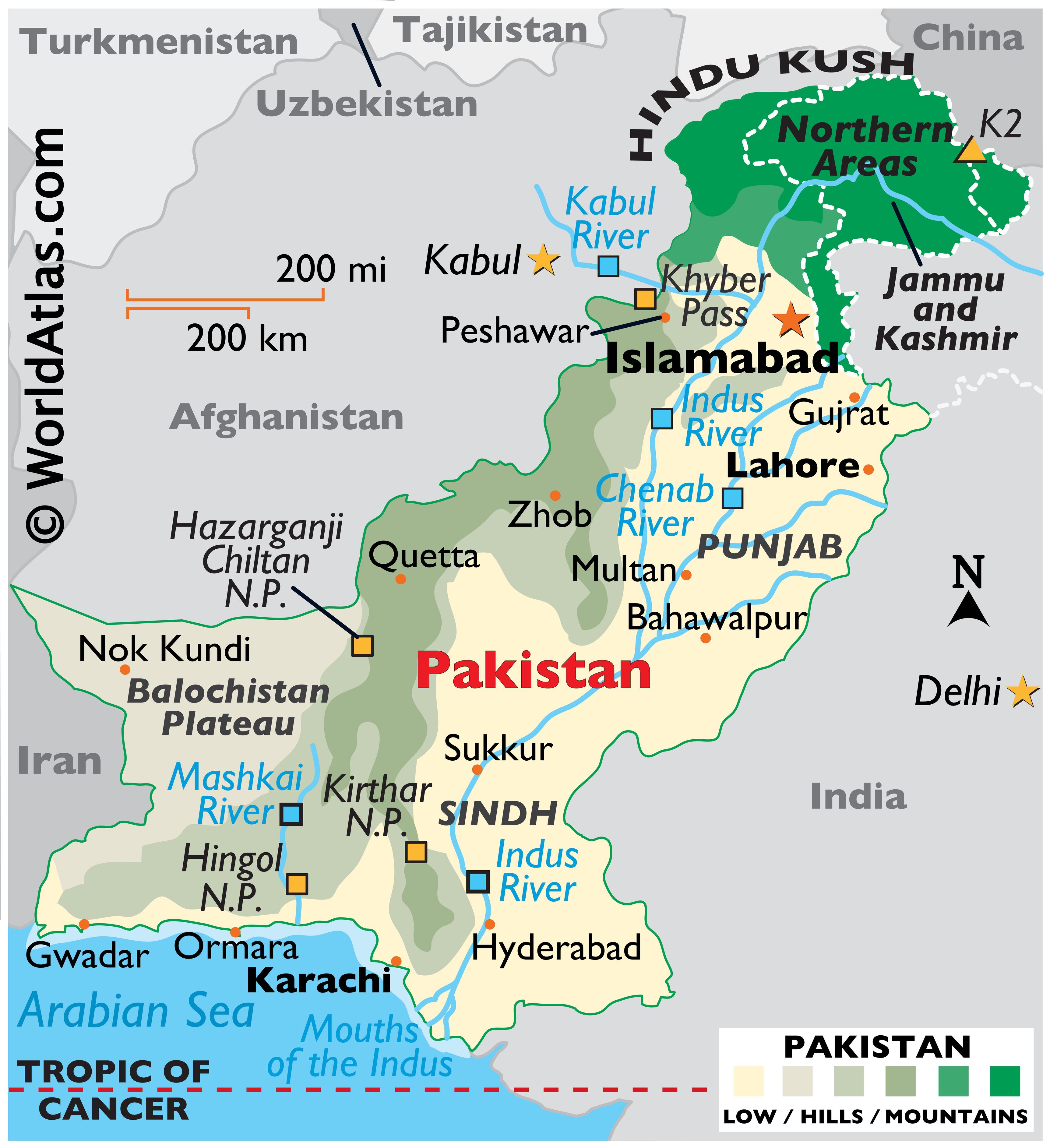
When a state starts treating human rights lawyers like national security threats, the writing is on the wall. An anti-terrorism court in Pakistan just handed down a 10-year prison sentence to prominent rights activist Imaan Mazari and her husband, Hadi Ali Chattha. If you think this is just another routine legal proceeding in a turbulent region, you're missing the broader picture. This verdict marks a severe escalation in the ongoing crackdown against civil liberties, legal dissent, and anyone brave enough to challenge the establishment.
The case itself stems from a bizarre mix of charges, including a security breach case involving the removal of police barriers. Yet, wrapping everyday political friction and protests into the rigid framework of anti-terrorism laws tells you everything you need to know about how state machinery is being weaponized. Mazari and Chattha haven't just faced legal hurdles; they have endured a dizzying cycle of arrests, brief reliefs, and immediate re-arrests that point to a system determined to silence them by any means necessary. Meanwhile, you can read other stories here: Why The Strait Of Hormuz Crisis Threatens Global Energy Security.
The Revolving Door of State Detention
Let us look at the timeline, because it exposes the sheer exhaustion of the legal battlegrounds in Islamabad. Back in January, the couple was hit with a staggering 17-year prison sentence under electronic crime laws regarding social media posts. International bodies, including the United Nations and human rights organizations, condemned those moves as a gross miscarriage of justice.
Then, a glimmer of hope appeared. In September, the Supreme Court suspended those sentences, granting the couple a path toward freedom pending their appeals. But that reprieve lasted mere hours. Before they could even step out into freedom, police intercepted them over the separate security breach incident. Now, an anti-terrorism court has slammed the door shut again with a 10-year term, running concurrently with other counts. To explore the complete picture, we recommend the excellent report by The New York Times.
Defense lawyers pleaded with the court to wait, noting that higher petitions were still active across the Supreme Court and high courts. The court rushed ahead anyway. When speed overrides due process, justice has left the building.
Why This Case Matters Beyond the Courtroom
You might wonder why a domestic legal trial in Pakistan commands global headlines. The answer lies in the chilling effect it creates. Mazari has long been a thorn in the side of powerful institutions, consistently representing victims of enforced disappearances and state overreach. When lawyers who stand up for the marginalized are locked up using anti-terrorism legislation originally meant for violent extremists, it sends a blunt message to the rest of civil society.
Speak up, and you're next.
International watchdogs like Amnesty International and Human Rights Watch have repeatedly called out these tactics, pointing out that criminalizing peaceful legal advocacy turns the justice system upside down. Instead of protecting citizens, the courts are increasingly being used to shield power structures from accountability.
What Happens Next
The legal fight isn't over, though the road ahead looks brutal. Defense teams have already announced plans to challenge the anti-terrorism court's verdict directly in the Supreme Court. Mazari's family and supporters remain defiant, even as the personal toll on the couple continues to mount.
Yet, every month spent behind bars is a victory for authoritarian creep. When dissent is criminalized, public trust in institutions evaporates entirely. Keep your eyes on how the higher judiciary responds to this latest appeal. It will test whether any independent oversight remains within Pakistan's highest legal corridors.